Physical Address
304 North Cardinal St.
Dorchester Center, MA 02124
Physical Address
304 North Cardinal St.
Dorchester Center, MA 02124
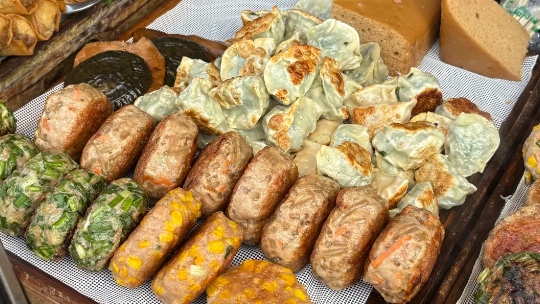
Breakfast in China is not one fixed plate. A morning meal may mean steamed dim sum in Guangzhou, a bowl of peppery soup in Henan, or a crisp pancake folded at a Tianjin street counter. Rice, wheat, soybeans, tea, eggs, and regional seasonings all shape what people eat.
This guide introduces five representative breakfasts. It explains where each one belongs, what it tastes like, and how cooks make it. The prices are planning estimates from recent listings, not national fixed prices. They can change with the city, venue, portion, and date.
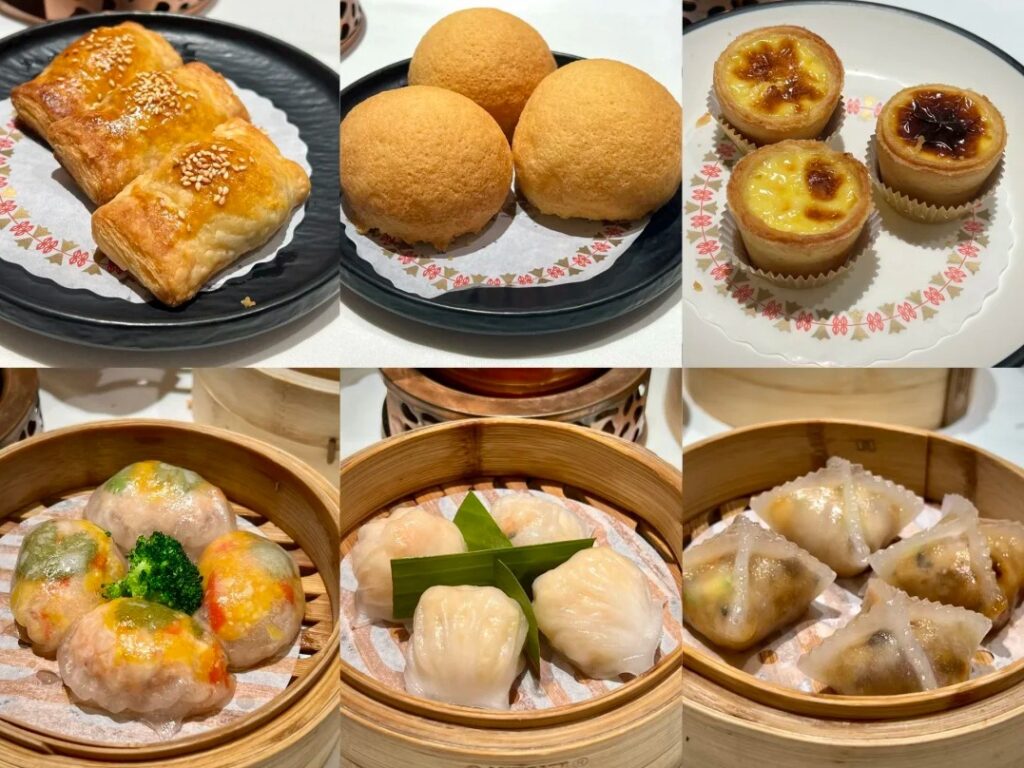
Chinese breakfast foods often use fast, familiar cooking methods. Vendors steam rice batter, fry wheat dough, simmer thick soup, or spread batter across a hot griddle. Some meals are quick and portable. Others, especially Cantonese morning tea, invite people to sit, share, and slow down.
These five foods are examples rather than a ranking. Together, they show how different a Chinese morning can look from one region to another.
Representative place: Guangzhou and the Pearl River Delta
Typical price: RMB 50–80 per person (about US$7.40–11.80) at a local teahouse
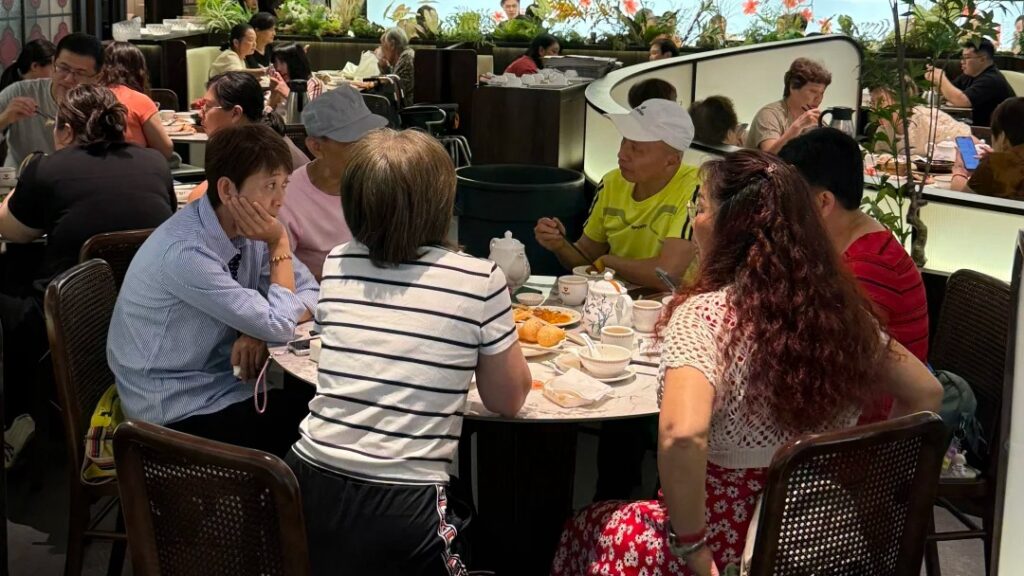
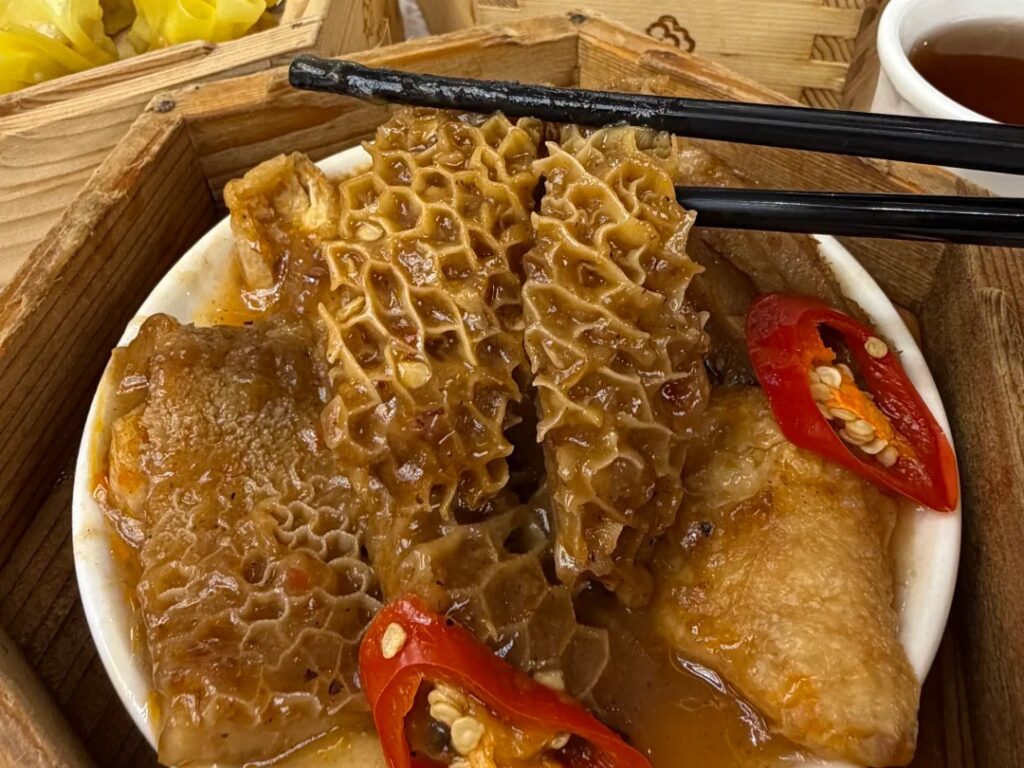
Cantonese morning tea, or yum cha, means more than drinking tea. It is a shared meal built around tea and small dim sum dishes. Diners might choose shrimp dumplings, siu mai, steamed buns, rice rolls, chicken feet, or an egg tart. The exact menu and bill vary widely.
The appeal comes from contrast. A shrimp dumpling can have a tender wrapper and a springy filling. A steamed bun feels soft and airy, while a baked tart adds crisp pastry and gentle sweetness. Tea gives the meal a clean, warm background instead of one single dominant flavor.
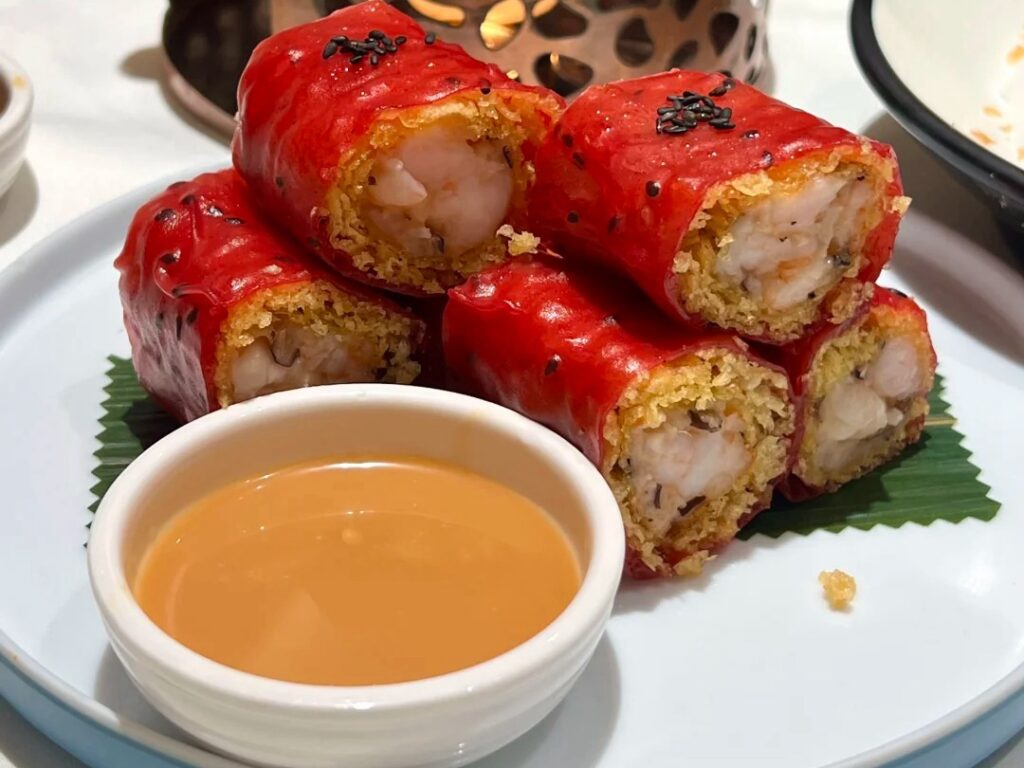
Cooks wrap or shape many pieces by hand, then steam them in small bamboo baskets. Other items may be baked or fried. Dishes arrive in small portions for the table to share, so a group can try several textures without ordering a full plate of each.
Representative place: Guangzhou, Guangdong
Typical price: RMB 10–18 per serving (about US$1.50–2.70) at a street-side shop
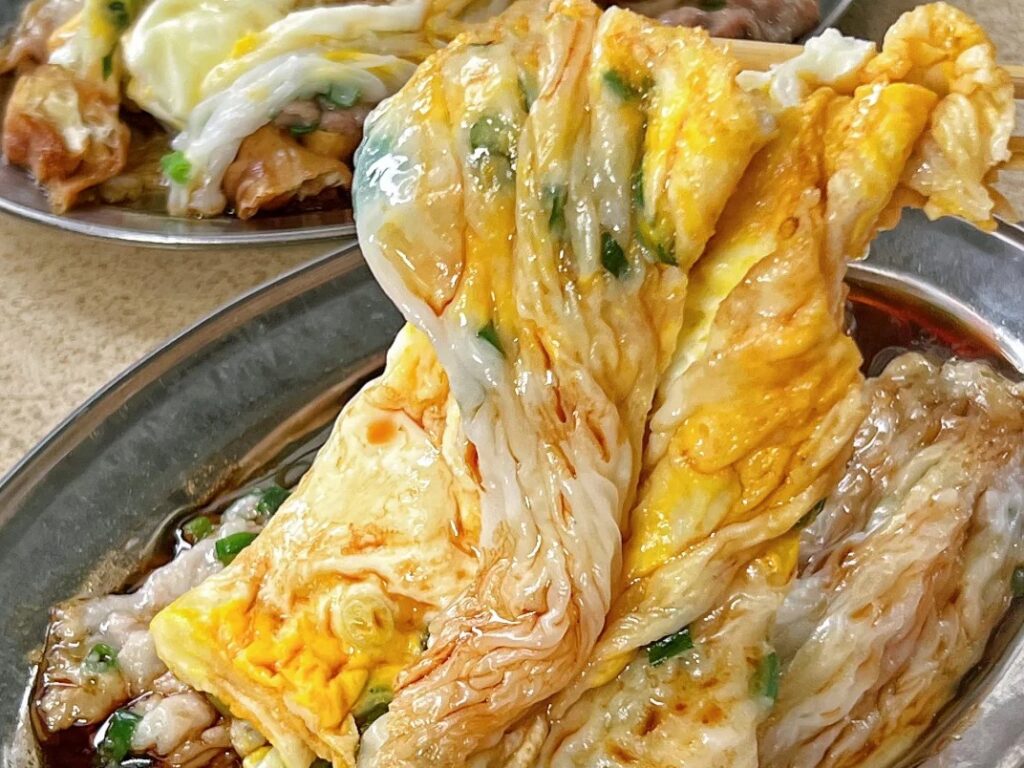
Cantonese rice noodle rolls, or cheung fun, are thin steamed sheets made from rice batter. Breakfast shops may add egg, beef, pork, shrimp, or no filling at all. A light soy-based sauce finishes the plate.
Fresh rolls should feel soft, thin, and silky rather than chewy like a wheat noodle. The rice flavor is mild. Most of the savory depth comes from the filling and sauce, which may carry a small touch of sweetness.
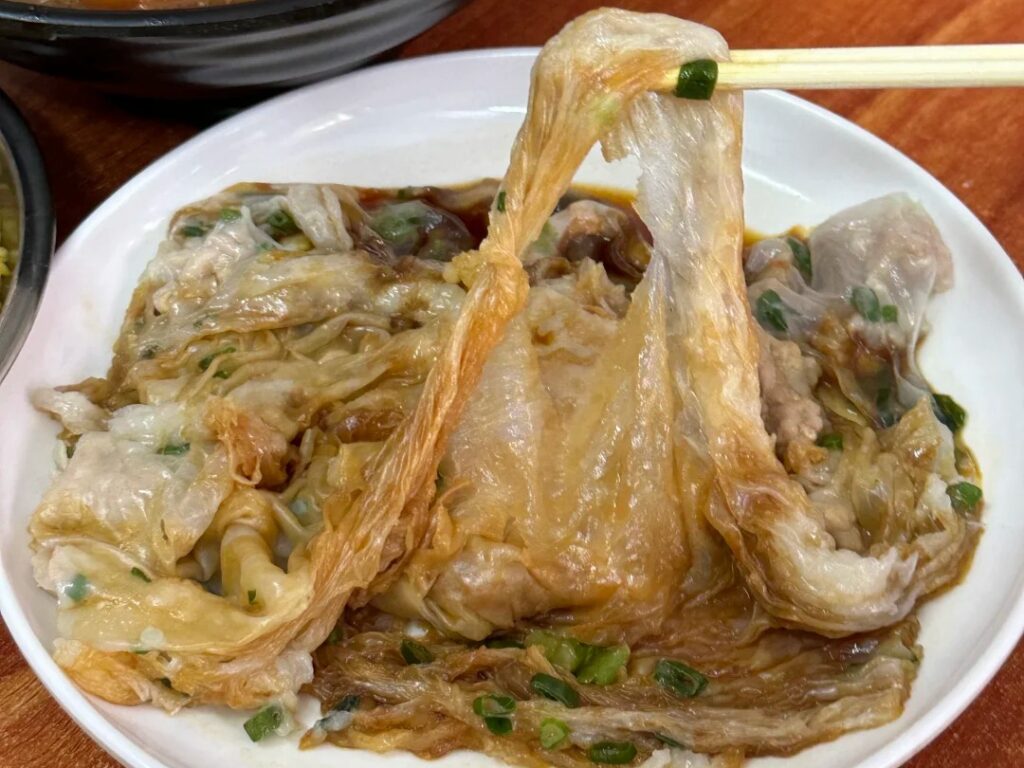
The cook spreads a shallow layer of rice batter over a flat steaming tray. Any filling goes on before the sheet cooks quickly under steam. The cook then lifts or scrapes the delicate sheet from the tray, folds it into loose rolls, and spoons sauce over the top.
Representative place: China-wide, with strong local traditions in cities such as Shanghai
Recent city example: RMB 6–10 for the pair (about US$0.90–1.50) in a Tianjin guide
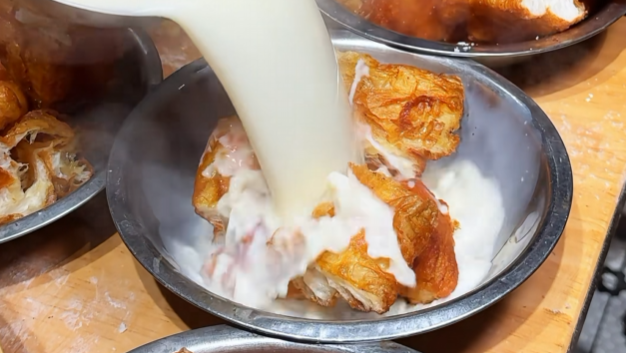
Soy milk is called doujiang, while youtiao is a long fried strip of wheat dough. The pairing is familiar in many parts of China, although local habits differ. Soy milk can be plain or sweet. Shanghai also has a savory version with ingredients such as chopped youtiao, scallions, seaweed, dried shrimp, and soy sauce.
Hot soy milk has a mild bean aroma and a smooth body. Fresh youtiao is crisp at the edges, light inside, and slightly oily. Dipping a piece into the drink softens its surface while the center keeps some airy structure.
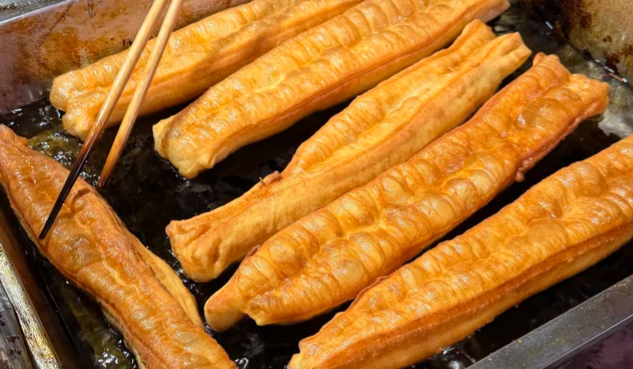
The cook stretches prepared dough into long pieces, often presses two strips together, and lowers them into hot oil. The dough expands as it fries and develops a hollow, layered center. It is best served soon after frying, while the outside still crackles.
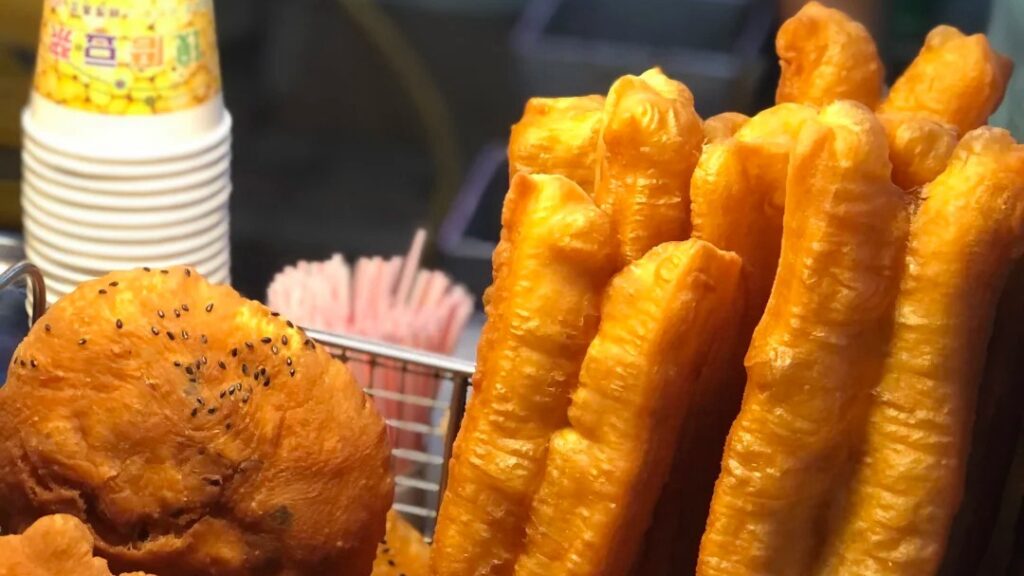
Representative place: Henan, especially Zhengzhou and nearby areas
Typical price: RMB 5–20 (about US$0.70–2.90), from a basic bowl to a fuller shop breakfast
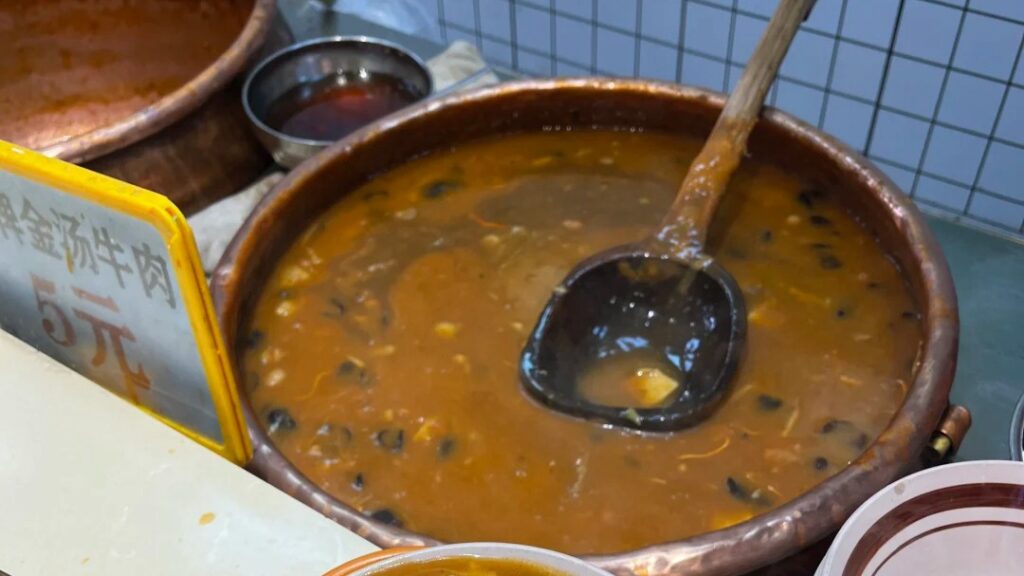
Hulatang is a thick, savory breakfast soup closely associated with Henan. Versions differ by town and shop. Common ingredients can include wheat gluten, meat, glass noodles, mushrooms, tofu skin, or other vegetables. It is often eaten with a baked or fried wheat snack.
The first impression is warm, peppery, and deeply savory. Much of the sharp heat comes from white pepper rather than a heavy dose of chili. Gluten, noodles, and other ingredients give each spoonful a mix of soft, slippery, and pleasantly chewy textures.
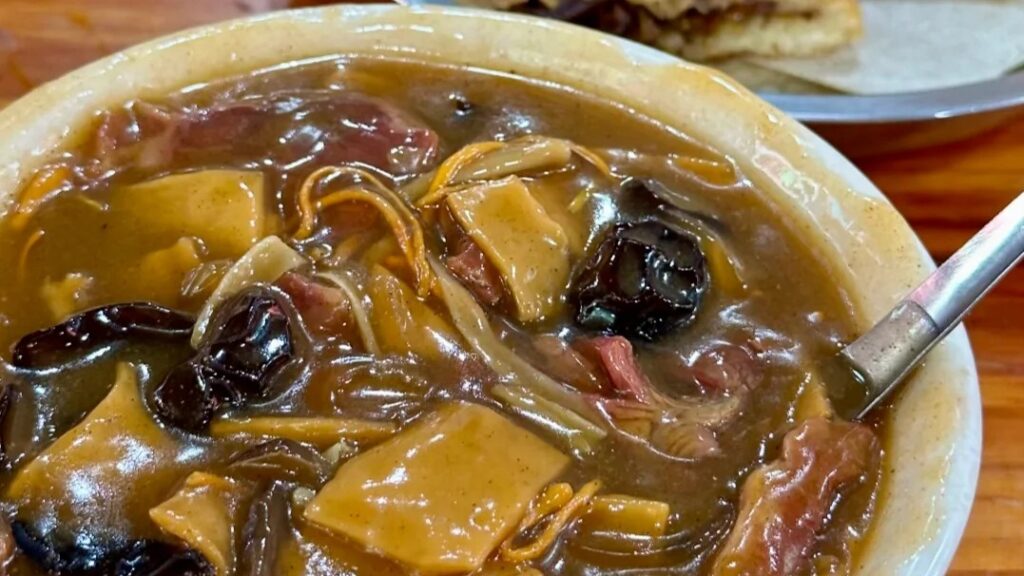
One traditional process starts with a meat or bone broth. Cooks add gluten and other prepared ingredients, then season the soup with pepper and aromatics. Starchy liquid from washing dough, or another thickener, helps turn the broth dense enough to coat a spoon. There is no single recipe for all of Henan.
Representative place: Tianjin and northern China
Typical price: RMB 8–15 (about US$1.20–2.20)
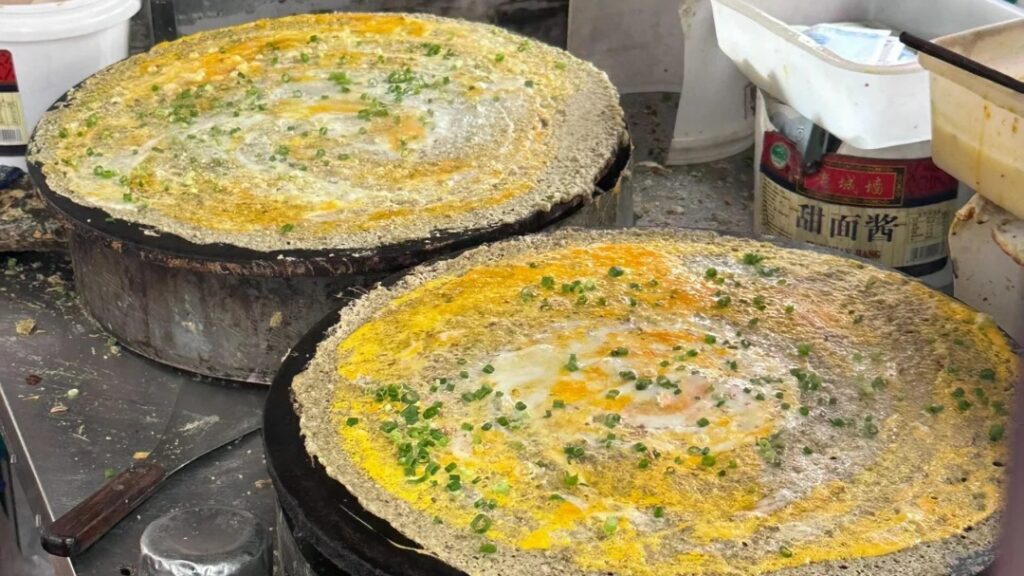
Jianbing guozi is a fresh griddle pancake wrapped around a crisp fried center. Tianjin versions traditionally use a batter that includes mung bean, plus egg, scallions, cooked sauces, and either a youtiao or a thin crisp cracker called guo bi’er. Variations appear across northern China.
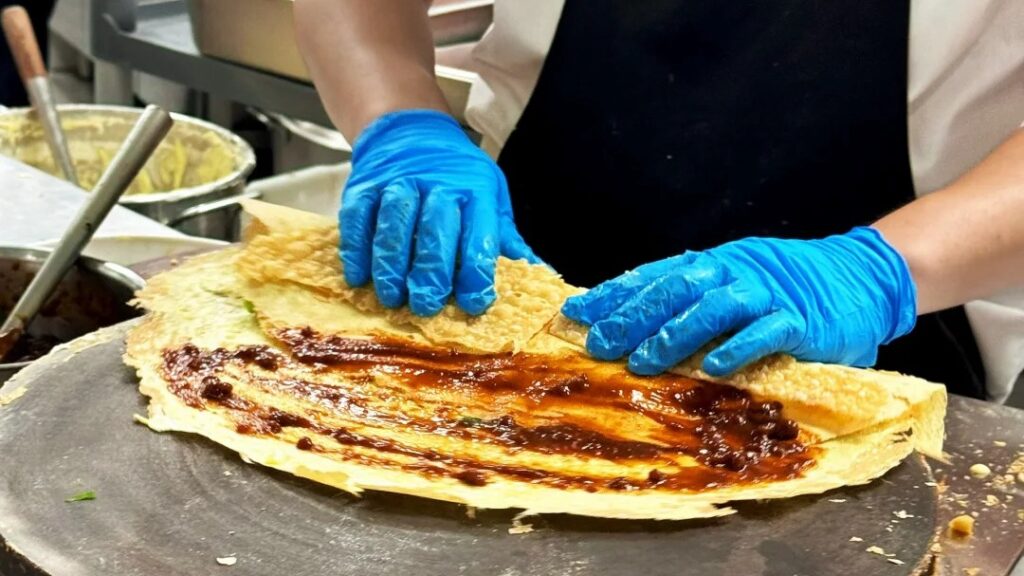
One bite moves from a soft, flexible pancake to a brittle or airy center. Egg adds richness. Scallions give a fresh onion aroma, while fermented bean curd, sweet flour sauce, or chili oil can bring salty, sweet, fermented, or spicy notes.
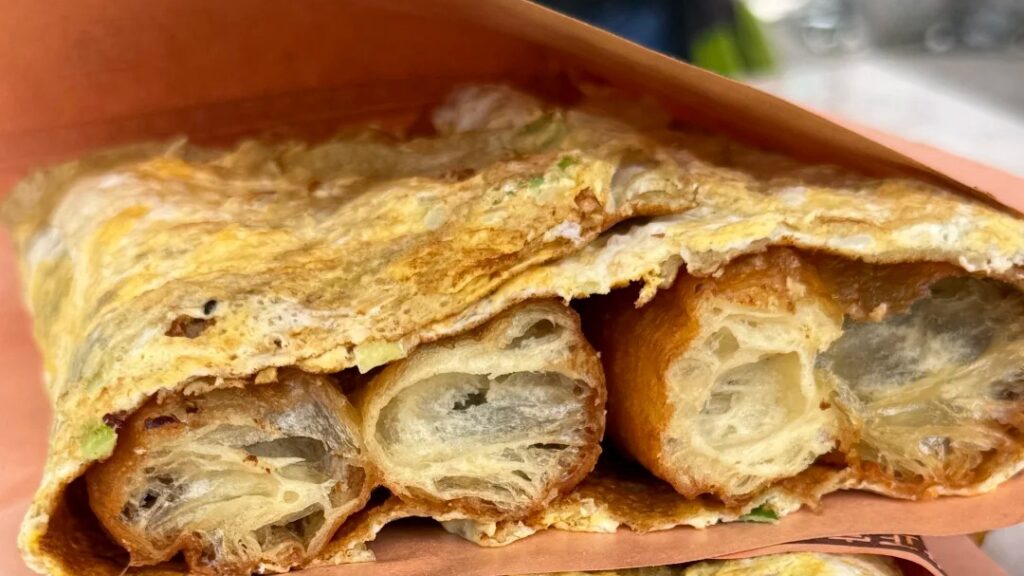
The vendor spreads batter into a thin circle on a round hot plate. An egg is cracked over it and spread with scallions. After turning the pancake, the vendor brushes on sauce, adds the crisp filling, folds the edges inward, and serves it while the center is still crunchy.
Choose by texture and pace. Pick Cantonese morning tea for variety and a slow shared meal. Choose rice noodle rolls for something soft and quick, or soy milk with youtiao for a simple crisp-and-smooth pairing. Hulatang suits pepper lovers, while jianbing guozi offers the most visible street-side cooking.
There is no single national breakfast. Common choices include steamed buns, noodles, congee, soy milk, youtiao, rice rolls, savory pancakes, and regional soups. What appears on the table depends heavily on the city, local grains, and everyday cooking habits.
Savory breakfasts are very common, but both styles exist. A meal might include peppery soup, meat-filled buns, or a sauce-covered pancake. Sweet soy milk, pastries, sesame foods, and lightly sweet dim sum also appear, depending on the region and shop.
A simple street or neighborhood breakfast often costs roughly RMB 5–20 per item or small set. A seated dim sum meal costs more. Prices vary by city, restaurant level, portion, and date, so use the ranges in this guide only for planning.
Soy milk with youtiao is often the simplest starting point because the flavors and format are easy to recognize. Fresh rice noodle rolls are another gentle choice. Travelers who enjoy stronger pepper and thicker textures may prefer hulatang instead.
Yes, especially if you enjoy shared meals and varied textures. One sitting can include steamed, baked, and fried dishes with tea. Give it more time than a street breakfast, and order a few items first before adding more.
Cantonese morning tea is the wider social meal built around tea, conversation, and shared food. Dim sum refers to the small dishes served during that meal. You can eat dim sum at other times, but morning tea describes the complete dining experience.
The wrapper is made from a thin rice-based batter that cooks into a soft sheet under steam. Shops may leave it plain or add egg, beef, pork, or shrimp. A light soy-based sauce is commonly added before serving.
They balance each other in flavor, temperature, and texture. Soy milk is warm and smooth, while fresh youtiao is crisp and airy. The drink also softens the fried dough when dipped, making the pair feel more complete than either item alone.
Hulatang tastes savory, aromatic, and strongly peppery, with a warming sharpness that often comes from white pepper. The broth is thicker than a clear soup. Gluten, noodles, meat, mushrooms, or tofu skin can add several textures to one bowl.
A Tianjin-style jianbing guozi usually contains a thin mung-bean-based pancake, egg, scallions, cooked sauces, and a crisp fried filling. That center may be youtiao or a thin cracker. Exact sauces and add-ons vary between vendors and cities.
Prices and facts were checked on July 31, 2026, using recent public guides and listings plus government cultural sources. Price examples reflect the named city or venue type, not national averages. USD estimates use the Bank of China reference rate of about RMB 6.7892 per US$1 on that date.