Physical Address
304 North Cardinal St.
Dorchester Center, MA 02124
Physical Address
304 North Cardinal St.
Dorchester Center, MA 02124
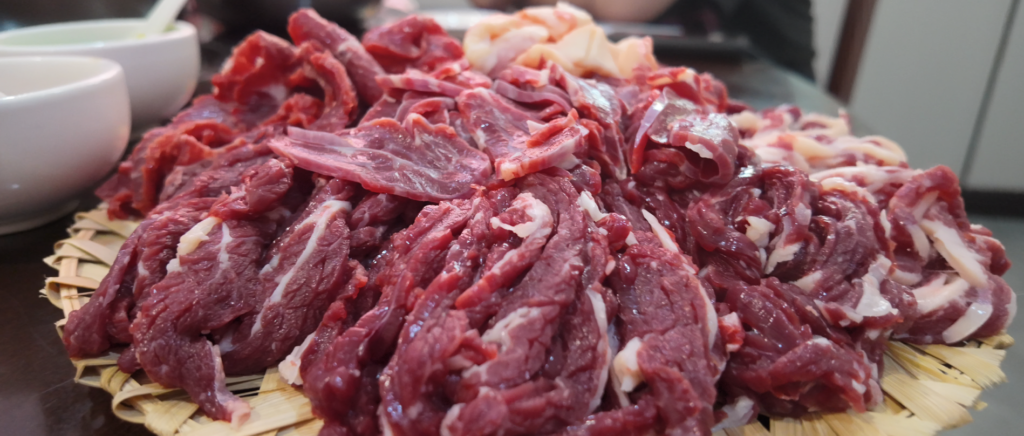
The meal at Apei Beef Hotpot in Chenghai, Shantou, started with a question that took the place of a menu: how many people are you?
There were five of us. We gave the answer, took our seats in a private room, and let the restaurant decide what should come to the table. That was the whole ordering process. No glossy menu, no long list of cuts to compare, and no attempt to turn the meal into a performance.
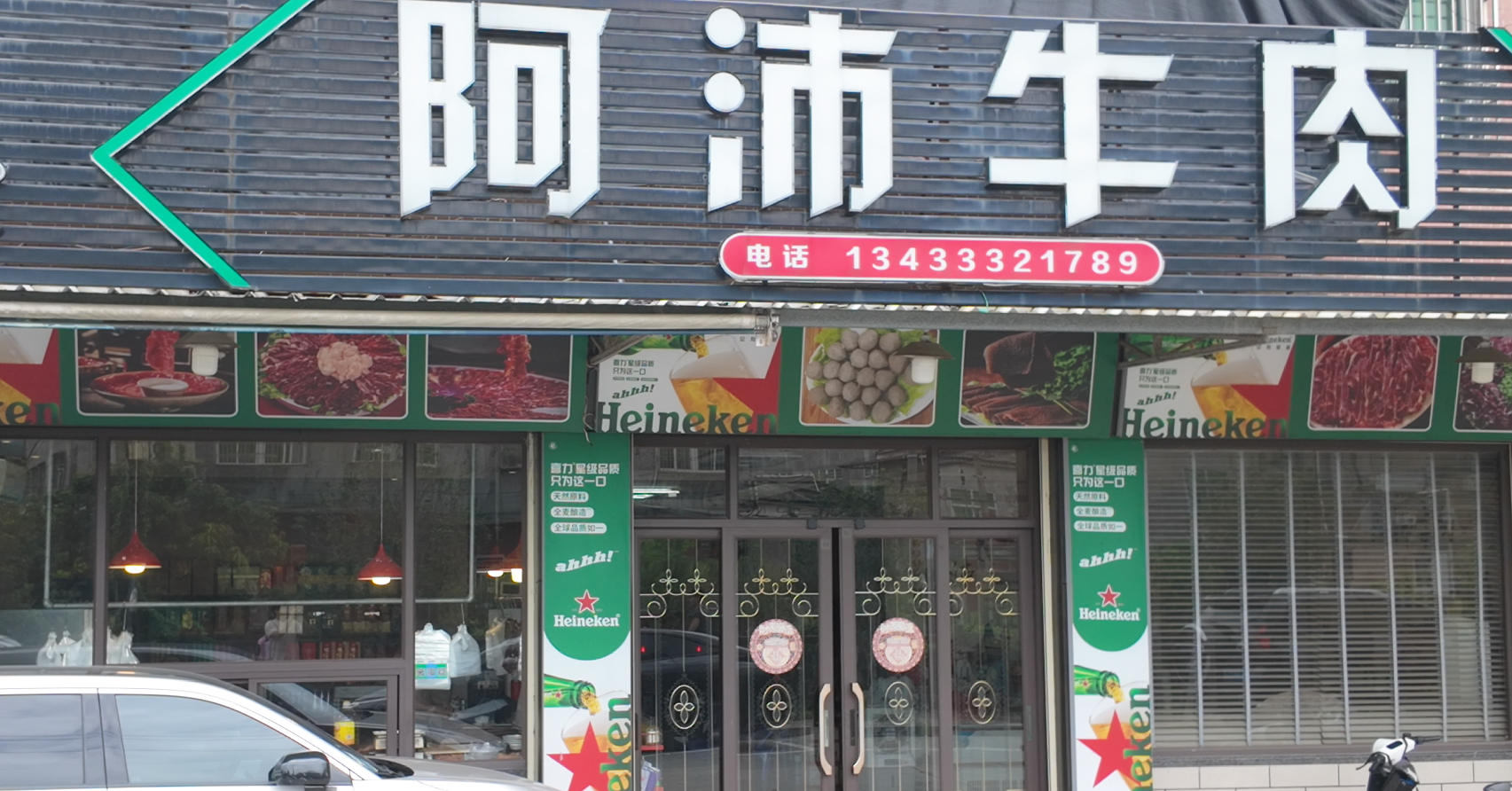
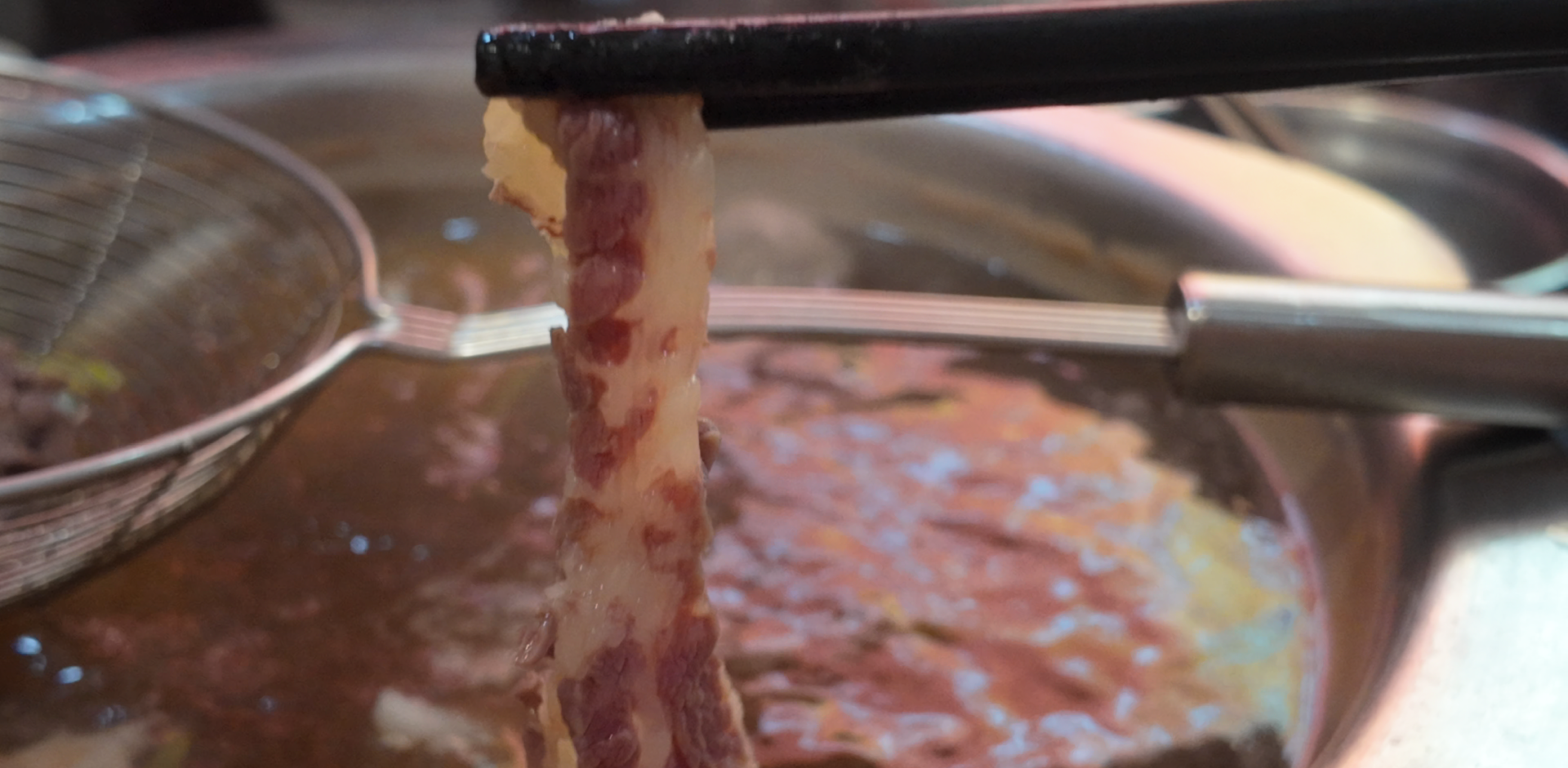
Apei Beef Hotpot sits in a quiet part of Chenghai District, next door to a slaughterhouse. I did not ask whether the two businesses had a direct relationship, so I will not make that claim. What I can say is that the beef we ate had the kind of freshness that was obvious before it ever reached the broth. Its color was bright, the slices were cleanly cut, and the beef flavor stayed clear from the first plate to the last.
This is not the polished, social-media-ready version of Chaoshan beef hotpot. Apei has private rooms but no main dining hall. The setup feels practical rather than staged, and it seems designed for groups who already know what they came for.
That also means you give up some control. Instead of choosing every plate yourself, you tell the staff how many people are eating and they match the amount to the group. For us, that worked well. The table filled with beef in different textures and proportions without the usual pause of trying to decode a menu.
Normally, a menu tells a visitor what a restaurant believes it does best. Here, the table did that job. The selection arrived in an amount that suited five people, and the focus stayed on cooking and eating rather than comparing choices. I liked that lack of decision-making. It made the lunch feel less like ordering individual dishes and more like sharing one complete meal.
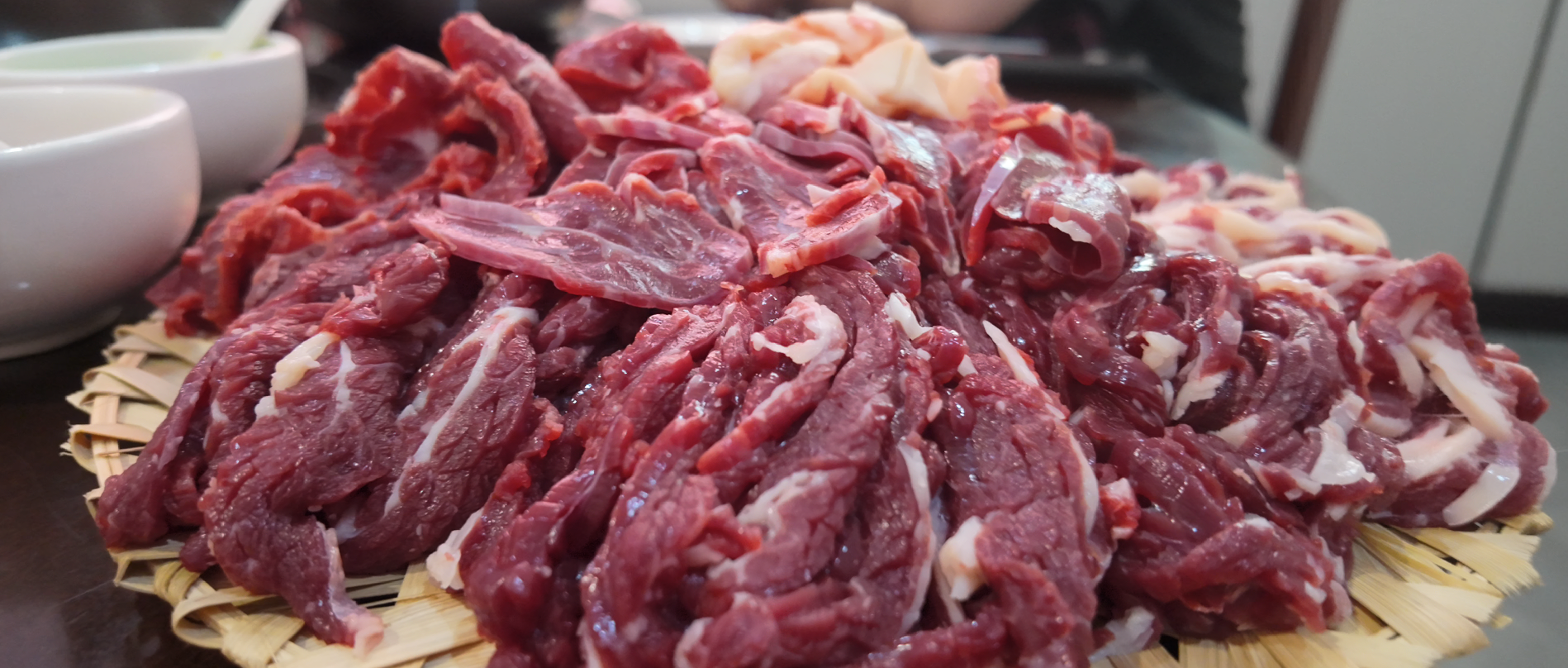
The bill came to about RMB 100 per person for five people, and we were full by the end. It is a simple price point for a meal that felt generous, especially because the focus stayed on the beef instead of extra dishes or elaborate presentation.
The pot did the quiet work. Thin pieces of beef went into the hot broth briefly, then came back tender and still full of their own flavor. Some bites were lean and direct. Others carried more fat and had a softer, richer texture. None needed to be buried under seasoning.
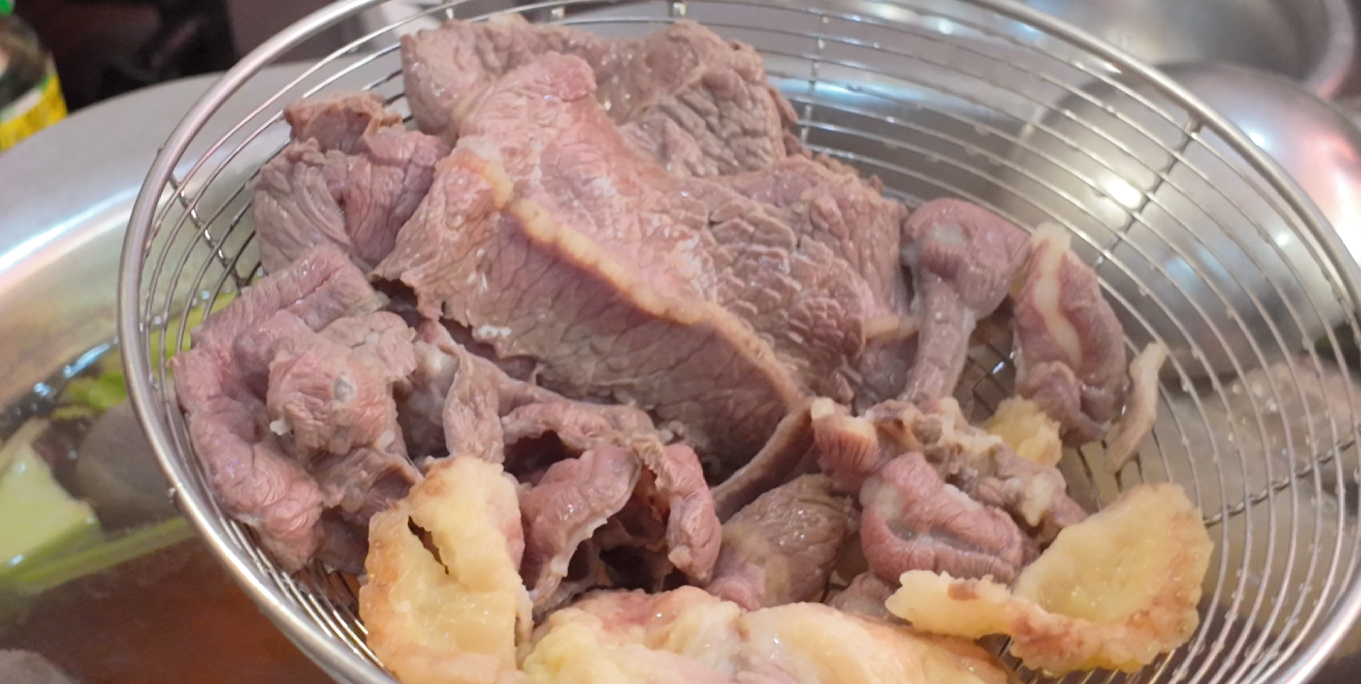
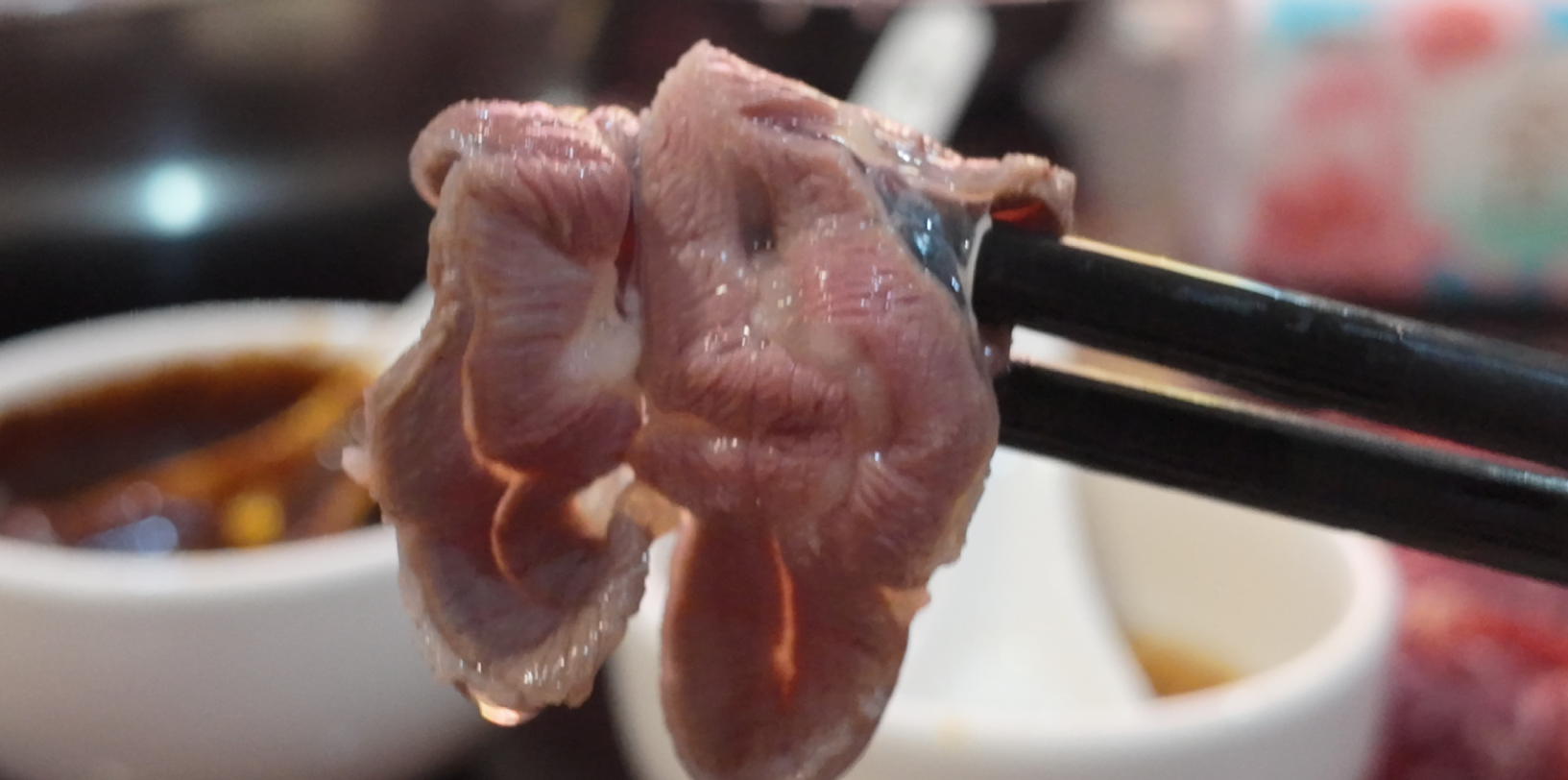
That was the part I kept noticing. The beef tasted like beef, not like a sauce delivery system. It had a deep meatiness and a freshness that stayed present even after a dip in the bowl. The restaurant’s restraint made sense once the food arrived.
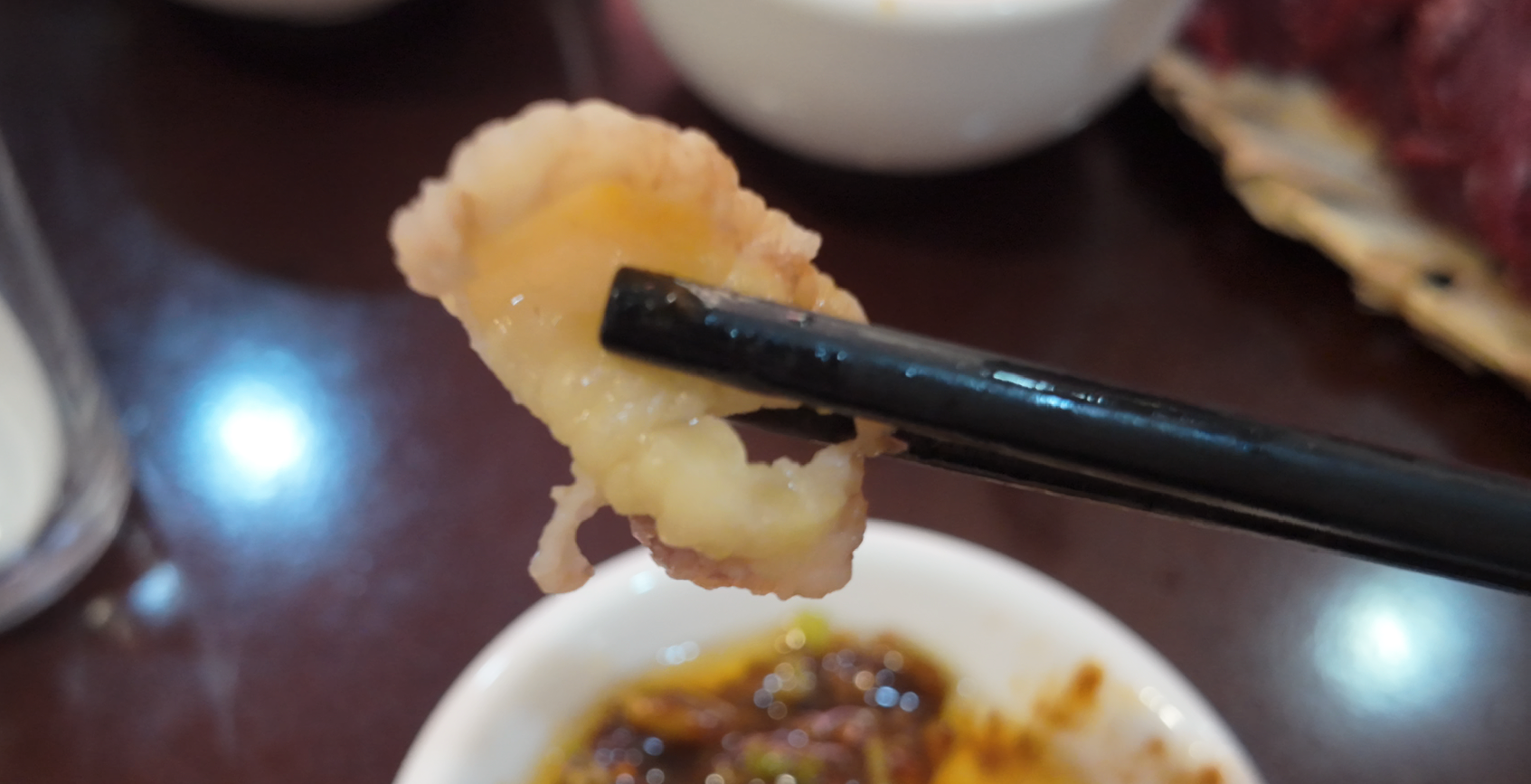
There was no large sauce bar. The table had shacha sauce, a savory Chaoshan-style satay sauce, fried garlic oil, chopped celery, and scallions. That was it.
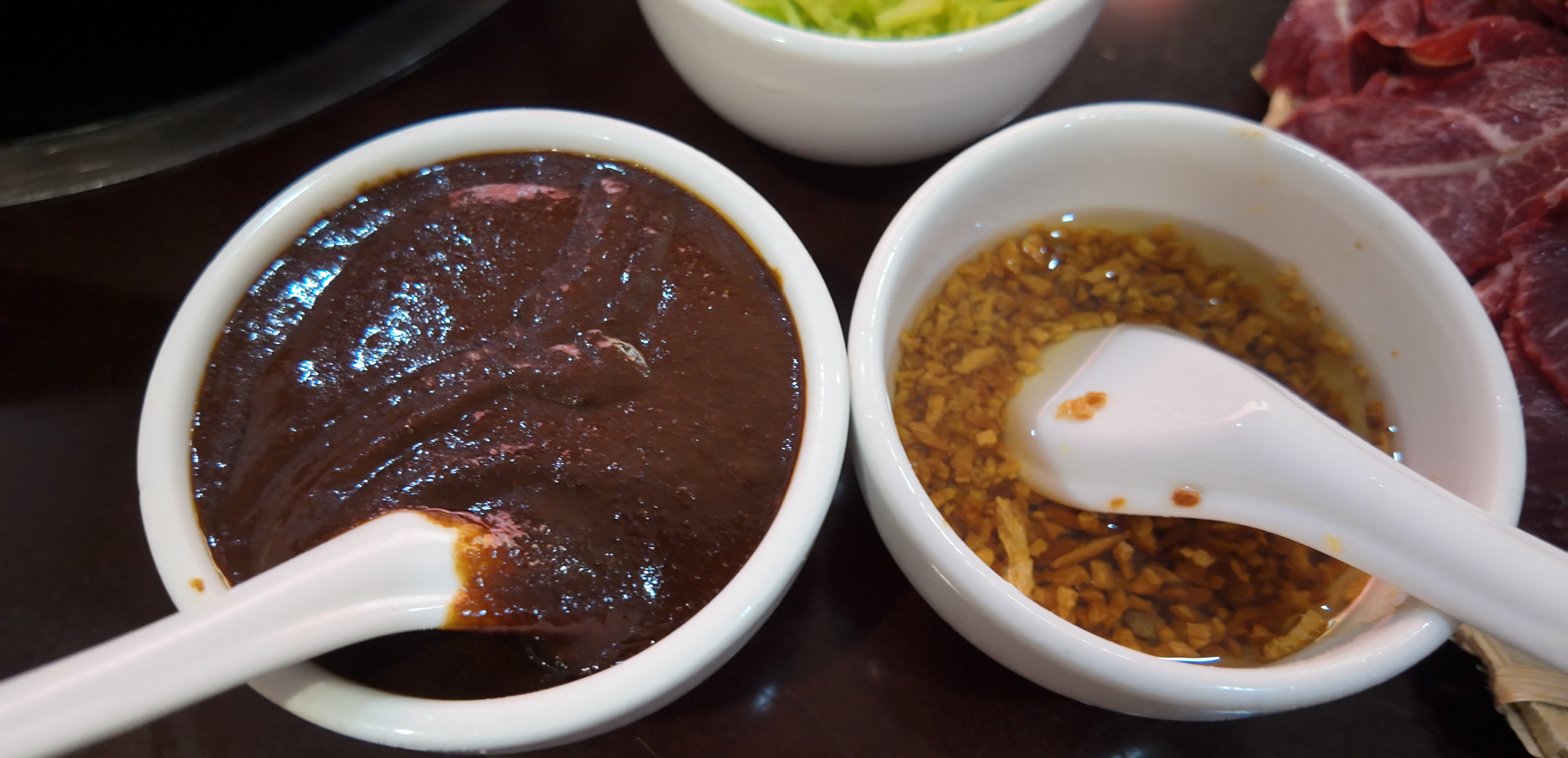
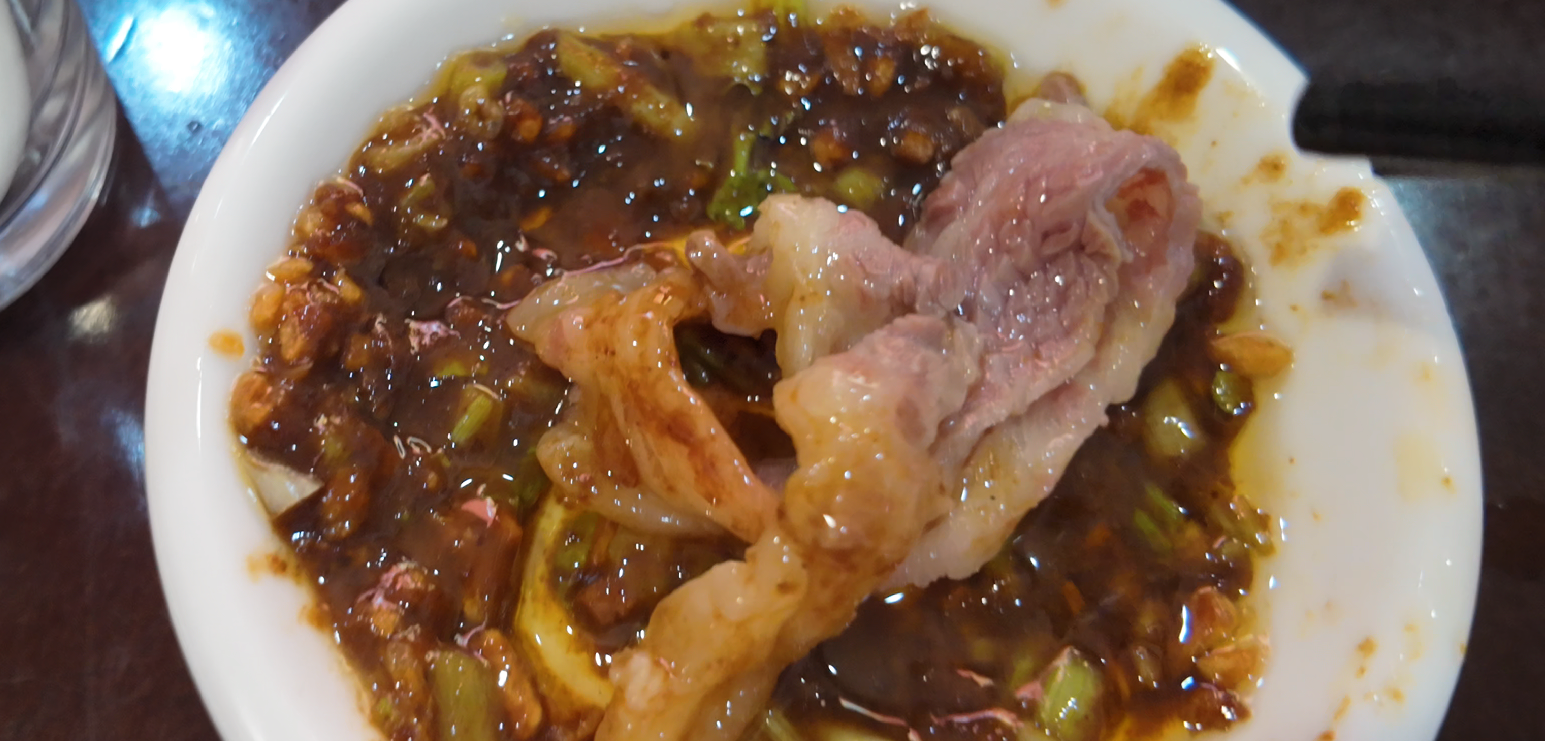
The shacha sauce added depth, while the fried garlic oil brought a toasty edge. The celery and scallions gave each bite a clean, sharp lift. But the point was never to cover the beef. A small dip was enough, and it was easy to return to the broth for another slice.
For travelers, this is the kind of meal that may feel a little less convenient than a famous restaurant with a bilingual menu and a carefully curated ordering list. Apei is quieter, more out of the way, and built around a local rhythm. There is no menu to study and no main hall to wander into. You arrive with a group, tell the staff your number, and trust the table to take shape.
That trust is the story here. The restaurant did not need a long explanation of its beef, a wall of sauces, or a crowd watching every plate. It put fresh slices of beef in front of us, gave us a hot pot and two small bowls of sauce, and let the meal speak for itself.