Physical Address
304 North Cardinal St.
Dorchester Center, MA 02124
Physical Address
304 North Cardinal St.
Dorchester Center, MA 02124

Choosing a China travel service agent becomes easier when we know what we need and what a trustworthy proposal looks like.
A China travel service agent can coordinate the moving parts of a trip, from a first route idea to transport, accommodation, guides, and activities. The best agents do not simply add attractions to a calendar; they help us match the route to our time, energy, interests, and comfort level. We should still expect clear limits about what the agency handles directly and what comes from a separate provider. A useful starting point is understanding the difference between planning help and an all-inclusive travel product.

An agent may discuss destinations, build a day-by-day route, reserve hotels, arrange trains or flights, and coordinate local guides and transfers. We can also ask whether the quotation includes entrance tickets, meals, luggage help, translation, and someone to contact during the trip. A clearly defined service scope makes it much easier to compare one proposal with another. For local food ideas, Sharry’s China Travel Guide is a useful example of the kind of grounded neighborhood and food perspective we may want reflected in our route.
An agent usually advises and arranges travel, while a tour operator may create and sell its own packaged itinerary or operate parts of the trip. An online platform generally helps us browse and book, but the support after payment may vary by supplier. These categories can overlap, so we should ask who is contractually responsible for each booking. A large directory such as China tour operators can help us see how group size, trip length, and style affect the comparison, but it does not replace checking the individual agency.
A local specialist can be especially helpful when we are visiting several cities, traveling with children or older relatives, or trying to combine major landmarks with smaller neighborhoods. China’s rail system and city networks make independent travel possible, but a good agent can reduce the friction of ticket timing, hotel transfers, and language barriers. We may also value local judgment when a route needs to change because of weather, closures, or our own tiredness. The aim is not to remove every unscheduled moment; it is to leave us with more room to enjoy the place.
Travel insurance, international flights, visas, mobile data, and some specialist activities may sit outside an agent’s main contract. We should ask whether the agency is booking these items, advising us about them, or simply directing us elsewhere. The same careful scope check applies in unrelated service decisions: we might assess a video production company by its capabilities and revision policy, rather than assuming every company handles every part of a project. That distinction keeps our travel expectations realistic.
Before contacting a China travel service agent, we should write down what a successful trip feels like to us. A first visit focused on imperial history will need a different rhythm from a food-led journey through Guangzhou, Shantou, or Chengdu. We do not need a perfect itinerary yet, but we do need enough detail for an agent to quote the right trip. A short preparation note can prevent several rounds of vague proposals.

Start with the number of full days, arrival and departure cities, and three or four priorities. Distances can look modest on a map while transfers, station time, and hotel changes make a day feel long. We should decide whether we prefer two or three bases with deeper exploration or a faster route through more cities. Building in an occasional lighter day is often the difference between seeing a place and merely passing through it.
Private travel offers more control over pace, stops, and food choices, while group tours can cost less and provide a fixed social structure. A custom itinerary may combine private transfers, independent meals, and selected guided visits rather than placing every hour into a package. We should ask about group size, guide language, departure guarantees, and what happens if the minimum group is not reached. The right format depends less on prestige than on how much flexibility we genuinely expect to use.
We should describe mobility needs plainly, including stairs, walking distances, bathroom access, and the ability to rest during excursions. Dietary requests deserve the same precision: distinguish allergies from preferences and ask how restaurants will be briefed. Families should mention stroller use, nap schedules, child seats, and room arrangements before a quotation is prepared. For food-focused planning, a regional reference such as this Chinese breakfast guide can help us identify interests, while the agent confirms what is practical on the actual route.
A budget should include the level of hotel, transport class, guide time, meals, tickets, and contingency money, not just the agency fee. We can ask for a good-better-best version of the same route to see which upgrades matter. A low quote may omit transfers or use a different room category, while a high quote may include convenience we do not value. We should also say whether we prefer independent evenings or a fully accompanied schedule, since staffing and guide hours can change the total substantially.
Trust is built from verifiable details, not from polished photographs alone. We should check the agency’s legal identity, office and payment information, recent customer experience, and knowledge of the places we plan to visit. An agent who asks thoughtful questions is often easier to work with than one who immediately sends a generic package. We can be warm and curious while still treating the booking as a meaningful financial transaction.

Ask for the company’s registered name, business address, travel-related permits, and the name of the entity receiving payment. We should verify these details through appropriate official or industry sources rather than relying only on a logo in an email signature. An agency’s membership in a professional association may be useful context, but it is not a substitute for checking the contract. The practical agency verification checklist offers a helpful set of questions about permits, addresses, reviews, refunds, and safer payment methods.
Recent reviews should describe the actual service we are buying: communication, hotel accuracy, transport, guide quality, and how problems were handled. We should look for patterns across more than one platform and read less flattering comments for specifics, not just star totals. Testimonials published only on the agency’s own website deserve less weight than independently hosted feedback. We can also ask for references from travelers with a similar route, group size, or accessibility requirement.
A capable agent should explain why a route works, how long transfers take, and which experiences fit the season and our pace. We can ask who supplies guides, whether transport is contracted locally, and how the agency checks hotels and restaurants. For food travelers, useful knowledge includes regional specialties and realistic meal timing, not just a list of famous restaurants. Local detail should make the trip more comfortable without turning everyday neighborhoods into staged attractions.
Pressure to pay immediately, an unusually low price, changing company names, vague refund language, and payment to an unrelated personal account are all reasons to pause. We should be cautious when an agent avoids video calls, refuses to provide a physical address, or cannot answer basic questions about the route. The same principle applies when researching any specialist provider, whether it is a demand generation agency or a travel service: verify the legal entity, scope, evidence, and terms before sending money. Good service does not require us to abandon ordinary judgment.
Two itineraries can look similar while offering very different levels of support. We should request comparable quotations with the same dates, room standard, transport class, guide hours, and ticket assumptions. Then we can inspect what is included, excluded, optional, or subject to change. Price matters, but clarity often tells us more about the likely working relationship.
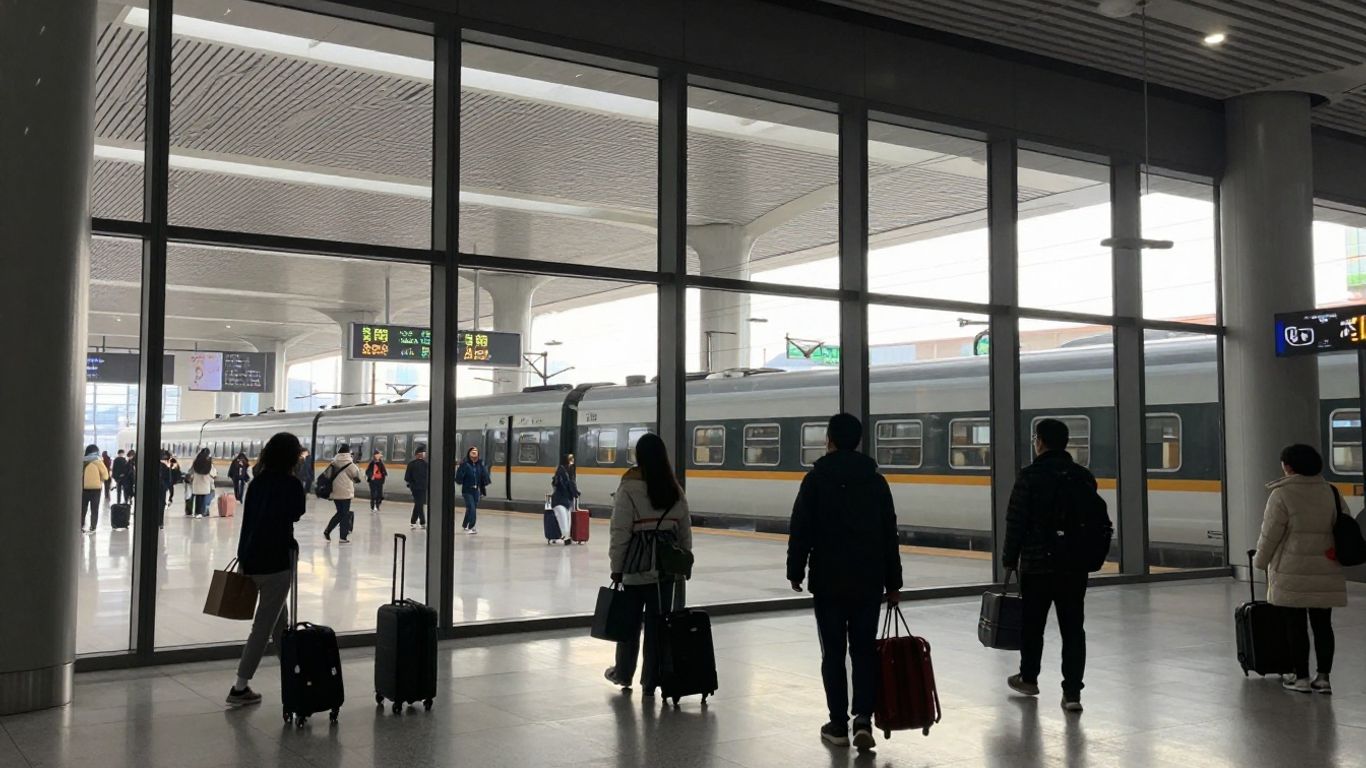
Ask for the names or categories of hotels, the type of each transfer, and whether trains or flights are economy, first class, or another fare. The quotation should state which entrance tickets, meals, guide services, and luggage arrangements are covered. A small table can make the comparison less emotional and expose missing pieces early.
| Item | What to confirm | Why it matters |
|---|---|---|
| Transport | Route, class, luggage, and transfer method | Shows the real pace and comfort level |
| Hotels | Property, room type, breakfast, and location | Prevents a lower standard than expected |
| Guides | Language, hours, group size, and meeting point | Defines how much support we receive |
| Tickets and meals | Included sites, meal plan, and exclusions | Reveals likely out-of-pocket costs |
After filling in these rows, we can compare like with like instead of treating one total as a complete answer. If a supplier uses “similar hotel” or “subject to availability,” we should ask when and how substitutions will be approved.
Agents need to earn money, and a commission or markup is not automatically a problem. The useful question is whether the final price and payment schedule are transparent. We should know the deposit, balance date, currency, bank or card fees, and whether taxes are included. Paying a registered business through a traceable method is safer than accepting a request for an unexplained personal transfer.
Read the policy for each major component, because hotel, rail, flight, ticket, and guide cancellations may follow different rules. Ask what happens if we change a city, miss a connection, become ill, or need to shorten the trip. A flexible fare may cost more but protect a route with several moving parts. We should also check whether the agency’s own service fee is refundable even when a supplier’s charge is not.
A written plan should show dates, cities, overnight locations, activities, transport, meeting points, inclusions, exclusions, and contact details. It should also identify assumptions, such as a hotel being replaced by one of similar category or a train ticket being unavailable at the requested time. For a broader sense of how travel services can be packaged, we can review China travel services, while keeping our own agent’s quotation as the document that governs our booking. Never rely on a chat message when a clear attachment can settle the point.
Once we have selected an agent, the conversation becomes more operational. We should create one shared record for passports, arrival times, booking numbers, hotel addresses, and emergency contacts. Requirements can change, so dates should be checked close to departure through official sources. The agent’s guidance is valuable, but each traveler remains responsible for providing accurate documents and following entry rules.
Ask which passport details, photographs, invitation materials, insurance documents, and validity periods apply to our nationality and route. Transit rules and entry permissions can depend on the exact itinerary, so we should not assume that advice for one traveler applies to everyone. The agent should identify what it can submit or arrange and what we must complete ourselves. We can request the date on which requirements were last checked and verify critical information with the relevant authorities.
Rail and domestic flight bookings need accurate names, passport numbers, dates, and connections. We should ask what happens if a preferred train sells out and whether an alternative changes the arrival time or transfer cost. Private transfers should include the driver’s meeting point, vehicle capacity, luggage allowance, and a plan for delayed arrivals. A sensible itinerary leaves enough margin around long-distance travel rather than scheduling an attraction immediately after every arrival.
Confirm the guide’s language, working hours, meeting location, and whether interpretation covers food, medical, or shopping conversations when needed. Translation support may be occasional rather than continuous, so we should agree on the expected format. For mobile connectivity, ask whether we should arrange an eSIM, local SIM, roaming, or another option before leaving home. We can also save hotel names and addresses in both English and Chinese for use with drivers.
We should carry more than one payment method and ask which expenses are prepaid, reimbursed, or paid locally. Internet access can affect maps, translation, banking, and communication, so a backup plan is sensible. Before departure, save the agency’s main number, an after-hours contact, hotel details, and our insurance information offline. A simple emergency plan is more useful than an optimistic assumption that every connection will work.
Even a carefully planned trip can encounter weather, delays, sold-out tickets, or a room that does not match its description. Our protection comes from documentation, realistic expectations, and an agreed process for solving problems. We should confirm key details before departure and keep communication open without expecting an agent to control circumstances outside its contract. A calm paper trail helps everyone respond faster.
Request official confirmations for hotels, trains, flights, transfers, guides, and tickets, then check names and dates against our passports and route. We should store copies in cloud storage and offline on a phone, while keeping payment receipts and the final quotation together. If a booking is still “pending,” ask for a deadline and a fallback. Confirmation is not a formality; it is the evidence we need when something differs from the promise.
Before departure, confirm the final property, room type, bed arrangement, breakfast, check-in conditions, and location. For transport, check vehicle size, luggage space, driver contact, station pickup instructions, and the process for a delayed train or flight. We can ask the agent to flag any substitutions rather than discovering them at midnight in an unfamiliar city. These small checks protect comfort without demanding luxury.
We should agree on the normal response channel, expected response times, and who is available outside business hours. A group chat may be convenient, but we should also retain a formal email address and the agency’s legal name. Send a brief pre-departure summary with arrival information and special requirements so there is a shared version of the plan. During the trip, concise updates with photos of tickets or hotel details can make troubleshooting easier.
If a problem occurs, first record what happened, when it happened, and which booking it affects. Then contact the agreed representative, explain the practical outcome we need, and ask what additional cost or policy applies before accepting a replacement. For urgent safety or medical matters, local emergency services and our insurer take priority over the travel agent. When the issue is resolved, we should request written confirmation of any changed route, refund, or credit.
A smooth China trip rarely depends on finding the flashiest itinerary. We get better results by defining our needs, testing an agent’s credibility, comparing the full value of each proposal, and documenting the practical details. With that groundwork in place, we can leave room for the local meals, ordinary streets, and regional discoveries that make traveling through China feel personal rather than packaged.
An agent may design an itinerary and arrange hotels, transport, guides, entrance tickets, transfers, and other trip services. The exact scope varies, so we should request a written list of inclusions and exclusions.
Private tours offer more control over timing and activities, while group tours may cost less and provide a fixed schedule. We should compare group size, guide support, flexibility, and the total price before deciding.
Verify the registered business name, address, relevant permits, payment recipient, contract, and refund policy. Recent independent reviews and clear answers to practical questions provide additional evidence.
Several months is sensible for complex routes, peak travel periods, visa preparation, and popular trains or hotels. Shorter trips may be arranged later, but fewer options can remain available.
It should show dates, destinations, hotels, transport class, guide services, entrance fees, meals, transfers, taxes, exclusions, payment dates, and cancellation terms. Vague phrases such as “similar hotel” should be explained.
No agent should promise an immigration decision it does not control. An agent can provide guidance or document support within its scope, while travelers must meet the requirements set by the relevant authorities.
Contact the designated representative, explain the immediate problem, and request the proposed solution and any extra cost in writing. Keep receipts and booking records, and contact emergency services or the insurer first when safety or health is involved.