Physical Address
304 North Cardinal St.
Dorchester Center, MA 02124
Physical Address
304 North Cardinal St.
Dorchester Center, MA 02124
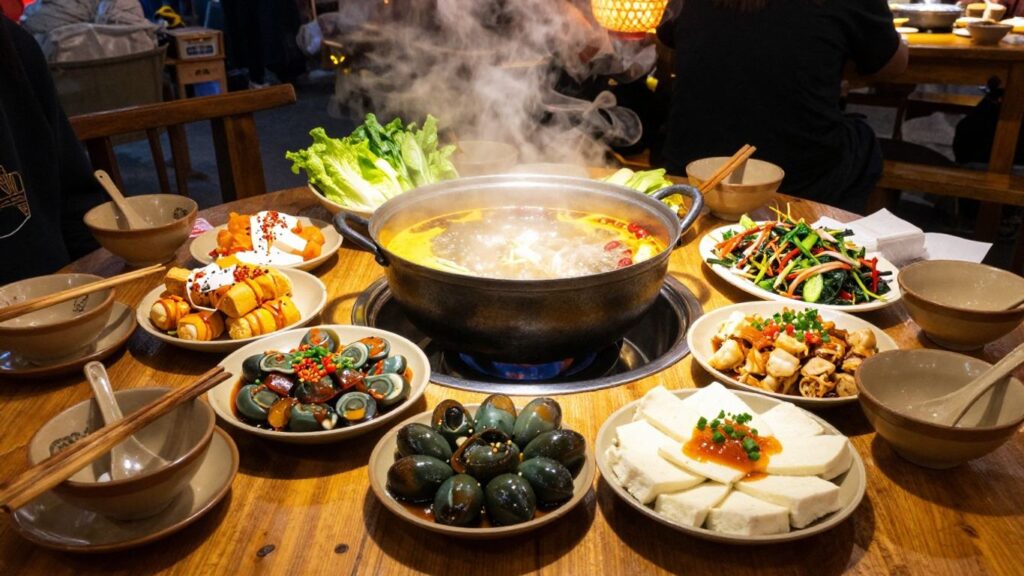
Chinese unusual foods are best approached with curiosity, context, and a little practical preparation. We can enjoy the adventure without pretending every dish will suit every palate.
Stinky tofu announces itself before it reaches the table. The fermented bean curd has a powerful aroma, but the smell varies considerably with the brine, cooking method, and neighborhood where we find it. Fried versions usually develop a crisp shell around a soft, savory center, while steamed or braised preparations can be gentler in texture.
For first-timers, a busy food street is often the least intimidating place to try it. We can watch how locals order it, choose a small serving, and add chili sauce, pickled vegetables, or garlic according to taste. Guangzhou’s Xilang Night Market, for example, is a useful reference point for seeing how stinky tofu fits among other ordinary street snacks, rather than treating it as an isolated dare.
The flavor is usually more rounded than the aroma suggests: salty, fermented, earthy, and sometimes pleasantly creamy. A helpful overview of Chinese street food can give us a wider frame before we decide whether this particular snack belongs on our personal favorites list. The aroma is only the introduction; the texture and sauce often determine the verdict.
Century eggs are preserved eggs with translucent whites and dark, jewel-like yolks. Despite the dramatic name, they are not literally aged for a hundred years; the preservation process changes their color, aroma, and consistency over a much shorter period. We may encounter duck, chicken, or quail eggs prepared this way.
The taste is savory and concentrated, with a mineral edge and a smooth, sometimes custard-like yolk. They are commonly paired with plain congee, tofu, or fresh ginger, combinations that balance the egg’s intensity. Rather than eating one alone, we can begin with a small slice alongside something mild.
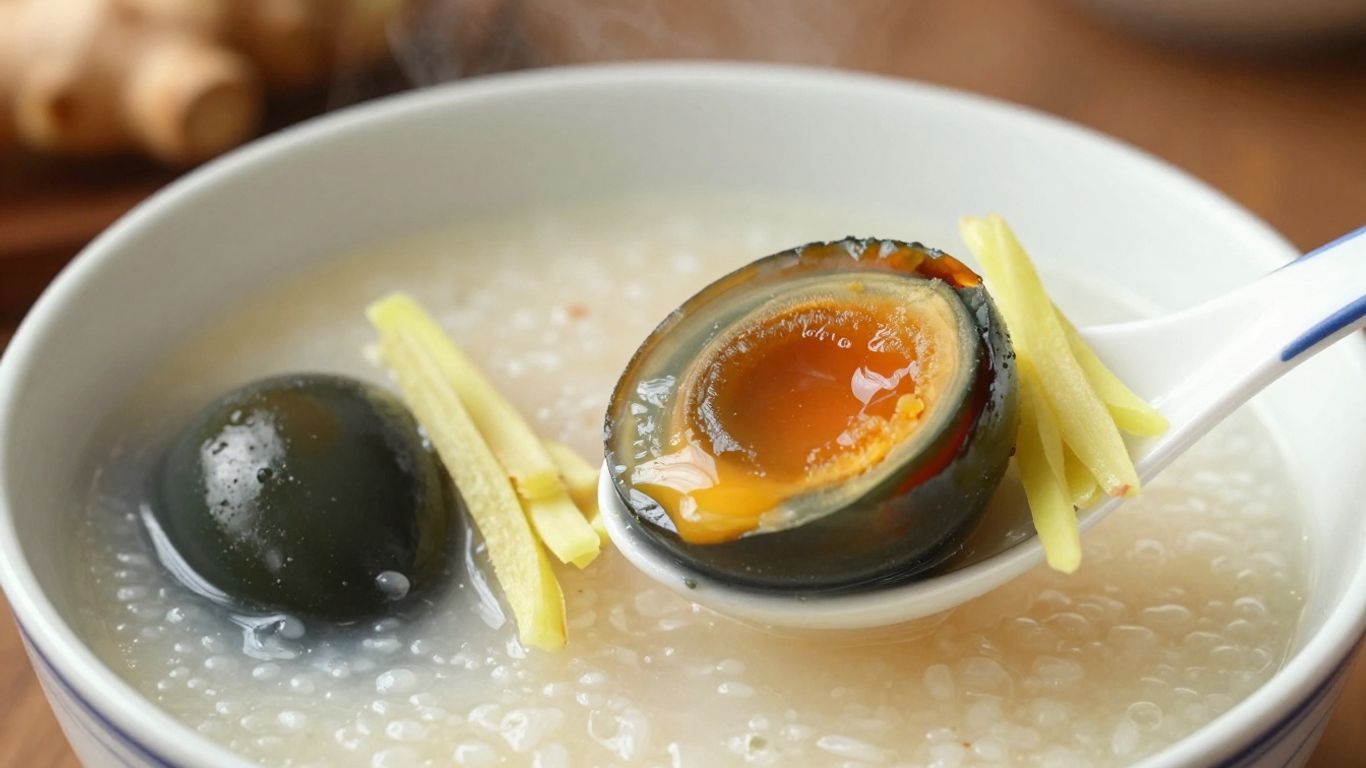
That pairing is part of the lesson: unfamiliar ingredients often make sense through contrast. The egg brings depth to a quiet bowl of rice porridge, and the ginger adds brightness. A thoughtful tasting approach lets us notice how preservation functions as flavor-making, not merely as a way to extend shelf life.
Chicken feet are common in several Chinese food traditions, especially in dim sum, where they may be braised, steamed, or fried before being coated in a savory sauce. The appeal is largely about texture. Once cooked slowly, the skin and connective tissue become soft, sticky, and richly seasoned.
There is not much conventional meat, so we should not approach them like wings or drumsticks. Instead, we nibble around the bones and pay attention to the sauce, which may include black bean, chili, soy, or aromatic spices. The experience is hands-on and social, particularly when a basket arrives among several small plates.
For travelers learning the rhythm of morning meals, a Chinese breakfast guide offers useful context on how varied the first meal of the day can be. Chicken feet may appear beside dumplings, rice rolls, or tea, and that broader setting makes them feel less like a challenge and more like one part of a shared meal.
Duck tongues look delicate but have a surprisingly firm, slightly springy bite. They may be braised in a fragrant sauce, grilled, steamed, or served cold as part of a mixed appetizer plate. Their size makes them easy to sample, although the small central bone means we need to eat carefully.
The flavor is usually mild enough for the seasoning to take the lead. Five-spice, soy, chili, sesame, and aromatic oils can turn the dish in very different directions. We might prefer a gently braised version if we want to notice the natural taste, or a spicy preparation if we enjoy stronger sauces.
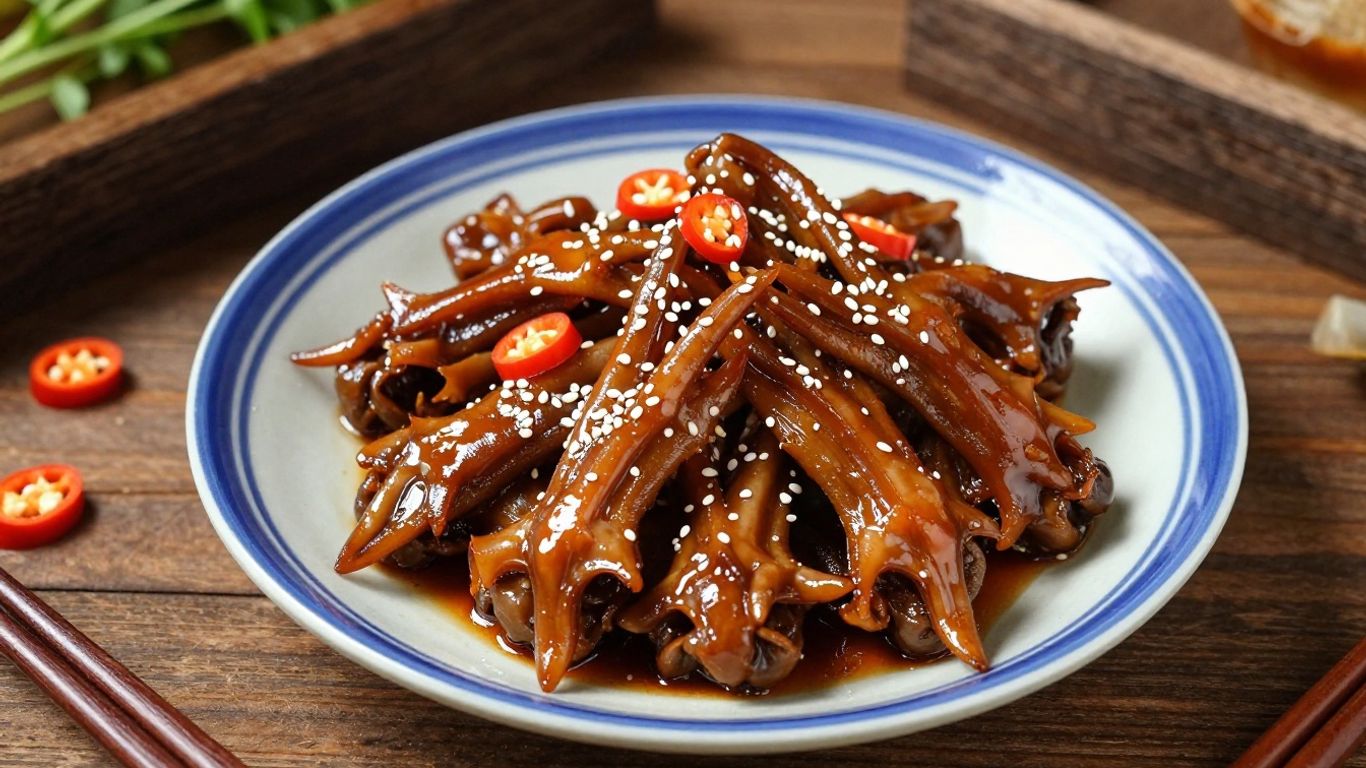
Duck tongues are a good reminder that unfamiliarity is often visual rather than culinary. The portion is small, the cooking is familiar, and the texture is the main surprise. Ordering them as one shared plate lets us try the dish without making it the entire focus of dinner.
Silkworm pupae are eaten in some regions as a snack or stir-fried dish, often seasoned with salt, chili, garlic, or cumin. They are usually crisp on the outside when fried, with a softer interior that has a nutty, earthy quality. Availability depends heavily on the region and season.
For many visitors, the biggest hurdle is recognizing what is on the plate. We can ask whether the pupae are fresh, dried, or fried, and whether the kitchen recommends eating them whole. Clear questions are especially useful at markets where a picture or translation may not explain the preparation.
A sensible first taste is small and unhurried. We can compare the pupae with roasted nuts or crunchy legumes, without forcing the comparison too far. Like other insect-based foods, they make most sense within local foodways and should be approached as a regional specialty rather than a universal Chinese habit.
Rabbit heads are strongly associated with Sichuan-style eating, particularly in and around Chengdu. They are commonly chilled or braised in a spicy, aromatic mixture, then served with plenty of seasoning clinging to the skin and meat. The dish is less about a large portion of meat than about the pleasure of picking and sharing.
Eating one requires patience. We use our fingers to separate the tender areas around the cheeks, jaw, and other small sections, while chili, Sichuan peppercorn, and fragrant oil build gradually on the palate. A cold drink and napkins are sensible companions, especially for a heavily seasoned preparation.
The social rhythm matters as much as the flavor. Rabbit heads are often ordered for a group, passed around, and discussed with some humor. We should follow the lead of local diners, avoid rushing, and remember that a dish can be ordinary comfort food in one place even when it looks startling to us.
Pig blood tofu is made by setting pig’s blood into a dark, firm cake that can be sliced and cooked in soup, hot pot, or stir-fries. The texture is denser than ordinary tofu, but the name can make it sound more extreme than the finished dish feels. Properly prepared, it is mild and absorbs the flavors around it.
In a hot pot, the cubes may take on the broth’s spice and aroma. In soup, they provide a smooth, slightly springy contrast to greens, noodles, or offal. We should choose a reputable restaurant with good turnover and ask how the dish is prepared, since handling and freshness matter with any blood-based ingredient.
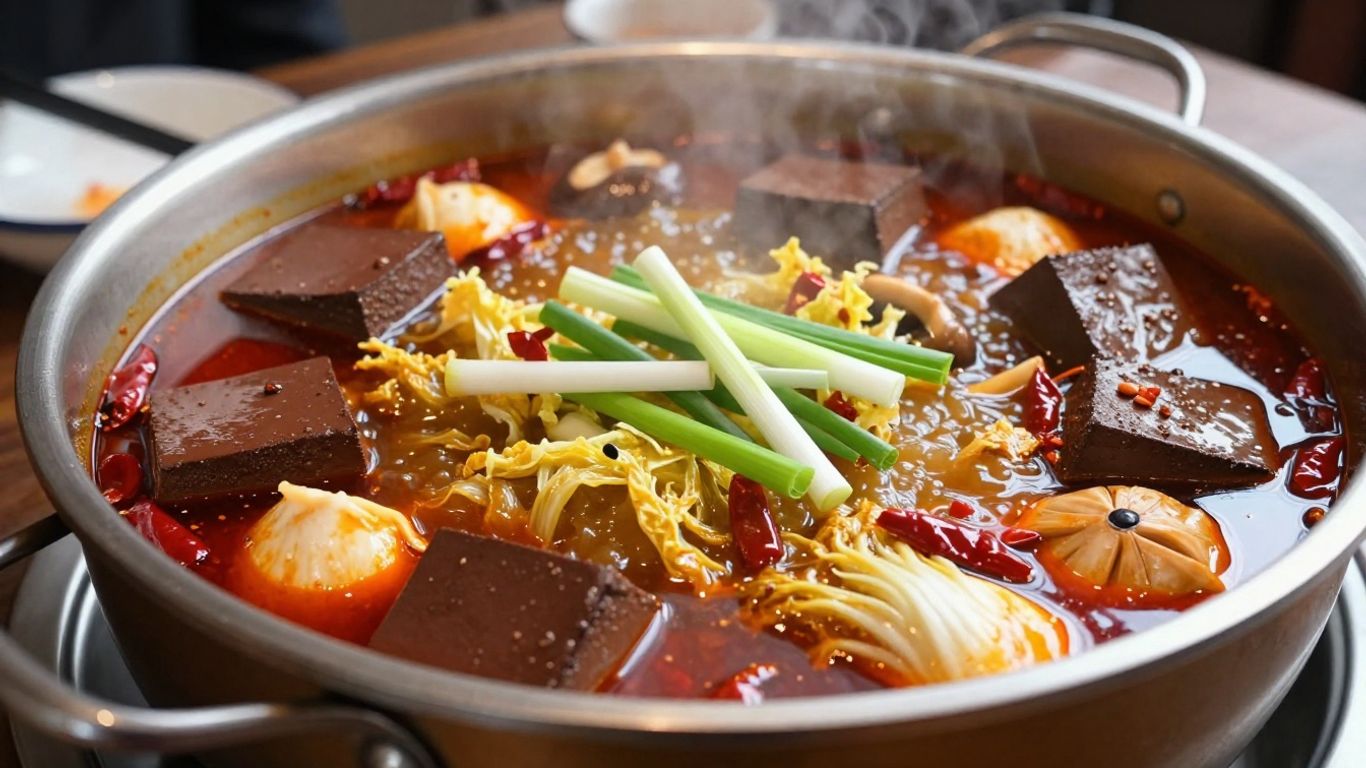
For travelers who enjoy understanding regional food rather than collecting shock value, pig blood tofu is a useful example of thrift, texture, and culinary technique meeting in one ingredient. It also shows why a familiar category such as tofu can contain many different forms and meanings.
Sea cucumber is prized in banquet cooking for its soft, gelatinous texture and its ability to absorb a deeply flavored sauce. The creature itself is not usually the star of the taste; preparation, stock, and accompanying ingredients do much of the work. Braised sea cucumber may arrive with mushrooms, greens, seafood, or a glossy savory sauce.
This is one of the more luxurious foods on our list, and price can vary widely according to size, quality, and restaurant. We should ask whether the portion is fresh or rehydrated, because dried sea cucumber requires substantial preparation before it reaches the kitchen. A banquet setting may offer a small serving alongside many other dishes.
The texture can be difficult for anyone expecting a firm seafood bite. It is soft, yielding, and slightly slippery, so it rewards slow tasting rather than quick judgment. Travelers interested in how food traditions differ across regions can also explore regional Chinese cuisine for a broader sense of why coastal and inland tables develop such distinct specialties.
Fish maw is the dried swim bladder of a fish, valued in Chinese cooking for its soft, collagen-rich texture after rehydration. It is commonly used in soups, braises, and banquet dishes, where it absorbs stock and seasoning. The flavor is generally subtle, so the broth and accompanying ingredients shape the experience.
The texture is the defining feature: tender, slightly chewy, and sometimes slippery. We may find it in a clear soup with chicken or mushrooms, or in a richer dish served during a formal meal. It is not the sort of ingredient that needs a dramatic sauce to be memorable.
Because fish maw is often associated with special occasions, the dining context can be as interesting as the ingredient. We can ask about the fish source, preparation time, and portion size before ordering. Those simple questions help us distinguish a carefully prepared dish from an expensive item chosen only for its reputation.
Bird’s nest soup is made from edible swiftlet nests, which dissolve into a delicate, gelatinous texture when cooked. It is traditionally associated with nourishing banquet cuisine and special occasions. The soup itself is usually mild, allowing the texture and clean sweetness of the broth to remain central.
We may encounter sweet and savory versions, depending on the restaurant and regional tradition. Sweet preparations can include rock sugar, while savory bowls may use a light chicken or seafood stock. Since portions can be small and prices high, it is wise to ask what type of nest and preparation the restaurant is serving.
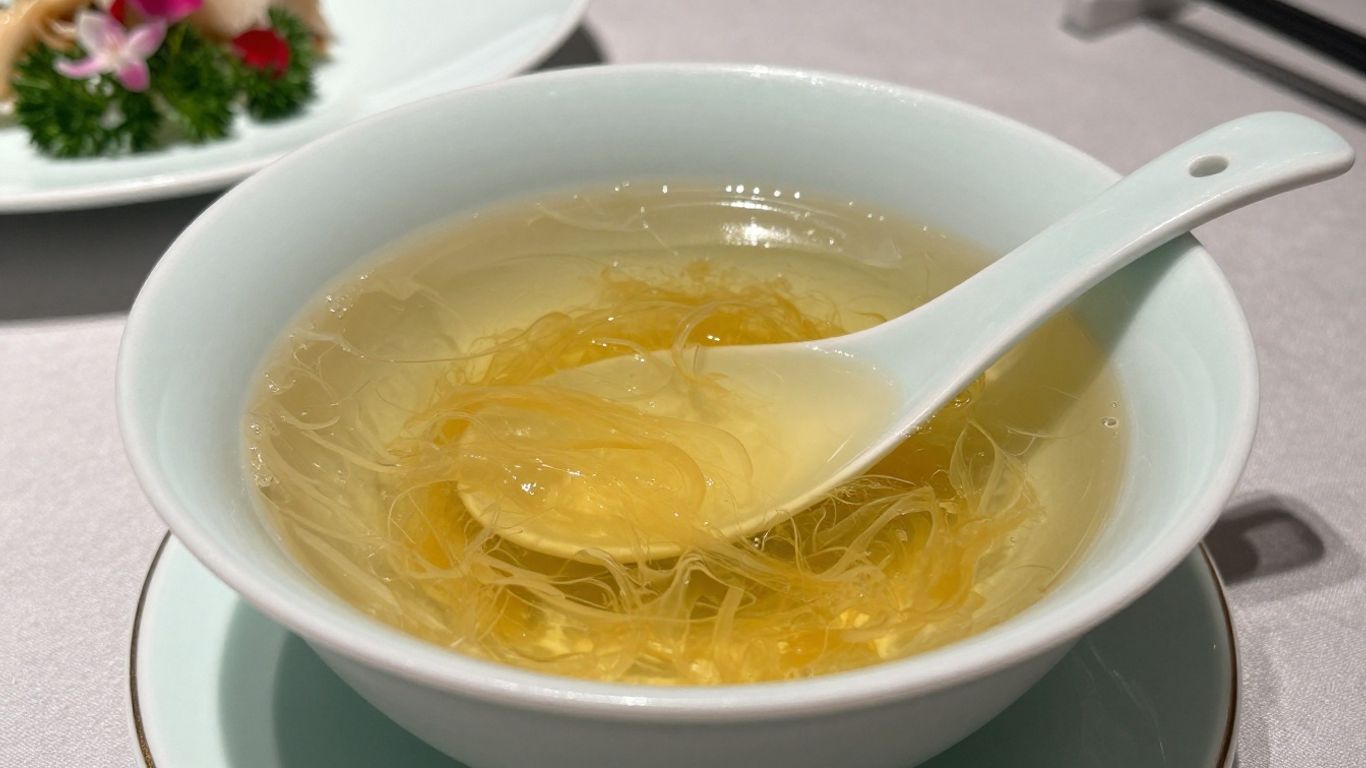
Bird’s nest is best approached with realistic expectations. It is not a strongly flavored soup, and the texture may be more noticeable than the taste. We can treat it as a historical and ceremonial food experience, not as a guaranteed health remedy; claims about food should not replace medical advice.
Fried scorpions are most often encountered in novelty-oriented market settings rather than on every family table. They may be skewered, seasoned, and fried until the outer shell becomes crisp. The appearance is bold, but the portion is usually small enough for a cautious first taste.
The flavor tends to come from the oil, salt, chili, or spice blend. We should ask whether the scorpion has been prepared whole and follow the vendor’s instructions about which parts to eat. Choosing a clean, busy stall and avoiding food that has been sitting uncovered are sensible precautions.
A market snack like this can be entertaining, but we should avoid assuming it represents everyday eating across China. The country contains many regional cuisines and dining habits. Our broader guide to Chinese food streets is a better starting point for understanding the range of ordinary dishes around a dramatic snack.
Snake soup is especially associated with Cantonese cuisine and has long been served in some restaurants as a warming, carefully prepared dish. The meat is usually shredded and combined with ingredients such as mushrooms, herbs, or other meats in a thick soup. Its flavor can be surprisingly gentle and chicken-like, depending on the recipe.
The texture is more delicate than many visitors expect. We may notice fine strands of meat rather than a large piece, with the broth carrying most of the aroma. Regional availability, season, and restaurant tradition all influence whether we find it on a menu.
We should ask about sourcing and local regulations before ordering any wild-animal dish. Ethical and conservation concerns deserve attention, and a memorable meal should not come at the expense of responsible choices. When in doubt, we can choose a legal, farmed, clearly identified preparation or simply enjoy another Cantonese soup.
Bullfrog is widely used in some Chinese regional cuisines and is often prepared in spicy stews, dry pots, or quick stir-fries. The meat is pale, tender, and commonly compared with chicken or firm fish, although its fine bones require care. Strong sauces make it a natural fit for Sichuan, Hunan, and other chili-forward cooking.
The best way to order it is to ask how spicy the kitchen makes the dish and whether the frog is served boneless or in pieces. A bubbling dry pot can be aromatic and intense, while a simpler stir-fry gives us a clearer idea of the meat itself. Rice helps balance the heat.
Bullfrog is also a useful example of how translation can shape a meal. A menu may use a literal phrase that sounds unfamiliar in English, while local diners see a routine ingredient. If we are unsure, a photo, translation app, or brief question to the server can prevent an accidental order that does not match our comfort level.
Fermented tofu, sometimes called tofu cheese, consists of small cubes of bean curd preserved in a seasoned brine. The result can be creamy, salty, funky, and intensely savory. Red fermented tofu may include rice wine or red yeast rice, while white versions can be milder or more herbal.
It is often served as a condiment rather than a main dish. A small cube can season rice porridge, leafy greens, noodles, or a simple bowl of vegetables. We should use it sparingly at first because a little spreads a long way, especially when the brine is pungent.
The ingredient rewards comparison. We can taste it beside plain rice, steamed greens, or grilled meat and notice how fermentation adds depth without requiring a complicated recipe. This is one of the easier unusual foods to try because the portion is tiny and the cooking is familiar, even if the aroma takes adjustment.
Bamboo worms are insect larvae found in some regional food traditions and may be fried until crisp, then seasoned with salt, chili, or aromatic spices. Their availability is not uniform across China, so we should not expect to see them in every market or restaurant. Where they are served, they are usually treated as a snack or small shared plate.
The texture is often the main attraction: crunchy outside, softer inside, and strongly influenced by the frying oil and seasoning. We can begin with one, ask how recently the batch was cooked, and choose a vendor with good hygiene and steady local customers. Anyone with food allergies should be especially cautious with insect-based foods.
Here is a quick way to compare several dishes by what we notice first:
| Food | Main surprise | Common first impression |
|---|---|---|
| Stinky tofu | Aroma | Fermented and savory |
| Century eggs | Texture and color | Mineral, creamy, concentrated |
| Rabbit heads | Eating method | Spicy and hands-on |
| Bamboo worms | Crunch | Toasted and seasoned |
That comparison keeps the adventure grounded. We are not required to like everything, and we do not need to turn dinner into a performance. The best Chinese unusual foods are often the ones that teach us something about a region, a preservation method, or the way people share a table.
When we plan a food-focused trip, a few habits make unfamiliar ordering easier:
These choices leave room for surprise without making the meal unnecessarily difficult. They also help us move beyond a checklist and toward the everyday food culture that gives each city its character.
For practical travel planning, Sharry’s China Travel Guide brings together local food streets, restaurants, and travel ideas from Guangzhou and beyond. We can pair that kind of neighborhood knowledge with a flexible appetite: some days call for a bowl of noodles, and others invite us to try something we cannot easily identify at first glance.
The most memorable Chinese unusual foods are not simply the strangest ones; they are the dishes that connect flavor, technique, place, and conversation. If we stay curious, order thoughtfully, and respect local context, even a challenging bite can become part of a richer journey through China’s regional food traditions.
No. China has many regional cuisines, and availability varies by city, province, season, restaurant style, and local custom. A dish common in one area may be rare or unfamiliar elsewhere.
Fermented tofu, century egg with congee, or a small serving of duck tongue can be approachable because the portions are manageable and the surrounding ingredients are familiar. Starting with a shared dish keeps the experience low-pressure.
No. The name is traditional and refers to the dramatic transformation caused by preservation. The eggs are aged for a much shorter period, with the exact timing depending on the method.
Choose reputable, busy restaurants or stalls, ask how the dish is prepared, and check whether it contains bones, intense spice, or ingredients that concern you. People with allergies should ask direct questions before tasting.
Not at all. Some, such as sea cucumber, fish maw, and bird’s nest soup, are quite mild and are valued more for texture or the quality of the accompanying broth. Others are pungent because of fermentation or heavy seasoning.
Only if they feel comfortable and the food is legally and responsibly sourced. We can decline politely, choose a different regional dish, and still have a deeply authentic culinary experience.
No. It is polite to show appreciation for the effort and tradition behind the food, but personal taste differs. A respectful response can be honest without mocking the ingredient or the people who enjoy it.