Physical Address
304 North Cardinal St.
Dorchester Center, MA 02124
Physical Address
304 North Cardinal St.
Dorchester Center, MA 02124
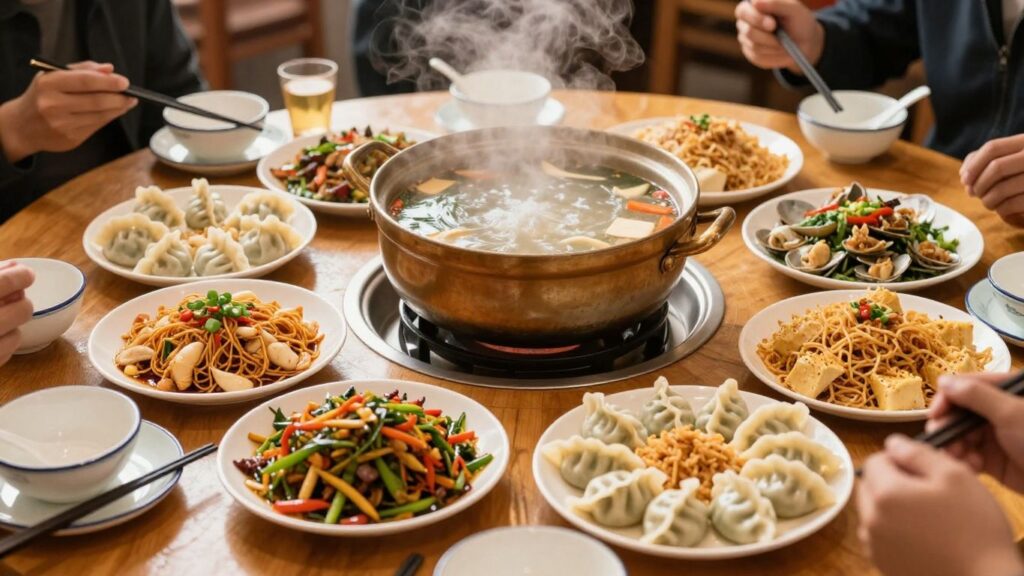
We can choose better Chinese food by paying attention to freshness, cooking technique, flavor balance, and practical details such as portion size and packaging.
Quality foods Chinese food should feel balanced rather than simply intense. We can usually notice it in the contrast between crisp vegetables and tender proteins, or in the way a sauce brings ingredients together without hiding them. A good dish also has a clear sense of purpose, whether it is smoky, savory, gently sweet, bright with vinegar, or warmly spiced. These observations help us judge a meal even when we are unfamiliar with the menu.
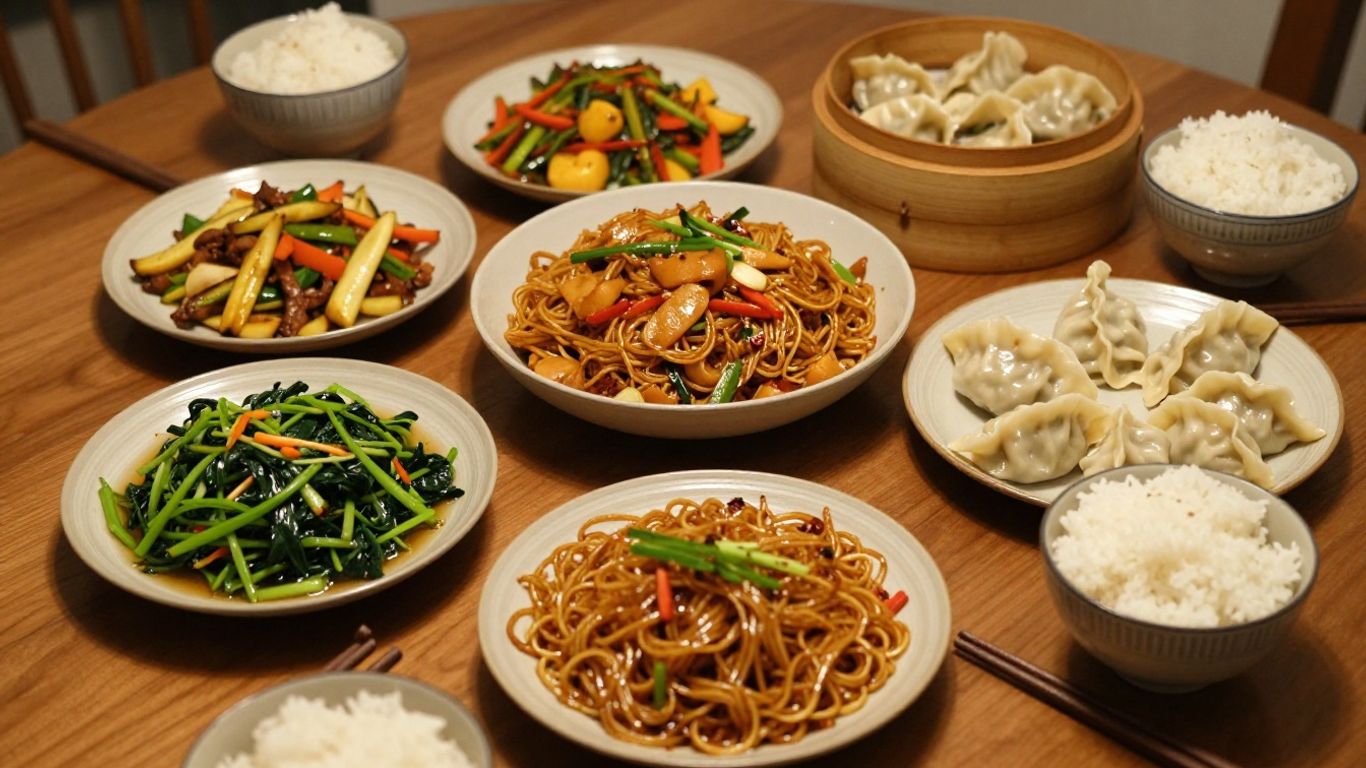
Fresh ingredients tend to retain their natural color, aroma, and texture. Vegetables should taste lively rather than watery, seafood should have a clean flavor, and meat should not rely on a heavy coating to seem appealing. We can also look for balance: salt should support the dish, sweetness should have a reason, and acidity can keep a rich meal from feeling flat.
When we are eating in China, local context can make that balance especially interesting. A quiet neighborhood restaurant may use a short ingredient list and let one preparation carry the dish, while a festive menu may offer more elaborate combinations. Special-occasion recipes can be useful inspiration when we are planning a meal for several different tastes.
Cooking method is often the difference between a memorable dish and a merely filling one. Stir-frying should leave ingredients bright and lightly charred, steaming should preserve tenderness, and braising should create depth without turning everything soft. Fried dishes are best when the exterior is crisp and the interior remains moist.
We can ask whether a dish is wok-fried, steamed, braised, roasted, or fried, then choose according to the texture we want. Noodles may be springy, rice may be separate and fragrant, and dumpling wrappers may range from delicate to pleasantly chewy. Texture is a quality signal because it reveals whether the food was cooked with care and served at the right moment.
Sauces and stocks should give a dish character, not make every item taste the same. A well-made broth may be clear and delicate or dark and deeply savory, while seasonings such as ginger, garlic, scallion, sesame, dried chili, or fermented bean paste can build layers. We should notice whether the sauce clings naturally or forms a thick, overly sweet coating.
For travelers who want to understand the broader food culture, regional Chinese food traditions offer helpful context. They show why a simple broth, a particular chili aroma, or a specific dipping sauce can tell us something about a place. That context makes it easier to appreciate dishes without judging every menu by one familiar standard.
A generous portion is useful, but it is not the only measure of quality. We should consider whether the amount of sauce matches the protein, whether side dishes make the meal feel complete, and whether the food arrives in good condition. Clean presentation matters because it often reflects careful handling, though elaborate decoration is not necessary.
Consistency matters too. If we return to the same restaurant, the rice, vegetables, seasoning, and cooking time should remain reasonably dependable. When ordering for a rental or group stay, stocking a short-term rental kitchen can also help us plan simple breakfasts, drinks, and storage around a restaurant meal.
A Chinese food menu can look large at first, especially when familiar American Chinese dishes sit alongside regional specialties. We can make it easier by starting with the cooking method, the number of people eating, and the kind of meal we want. An appetizer-heavy order feels different from a bowl of noodles or a shared set of stir-fries. The goal is not to recognize every word before ordering; it is to understand the menu’s structure well enough to make a comfortable choice.
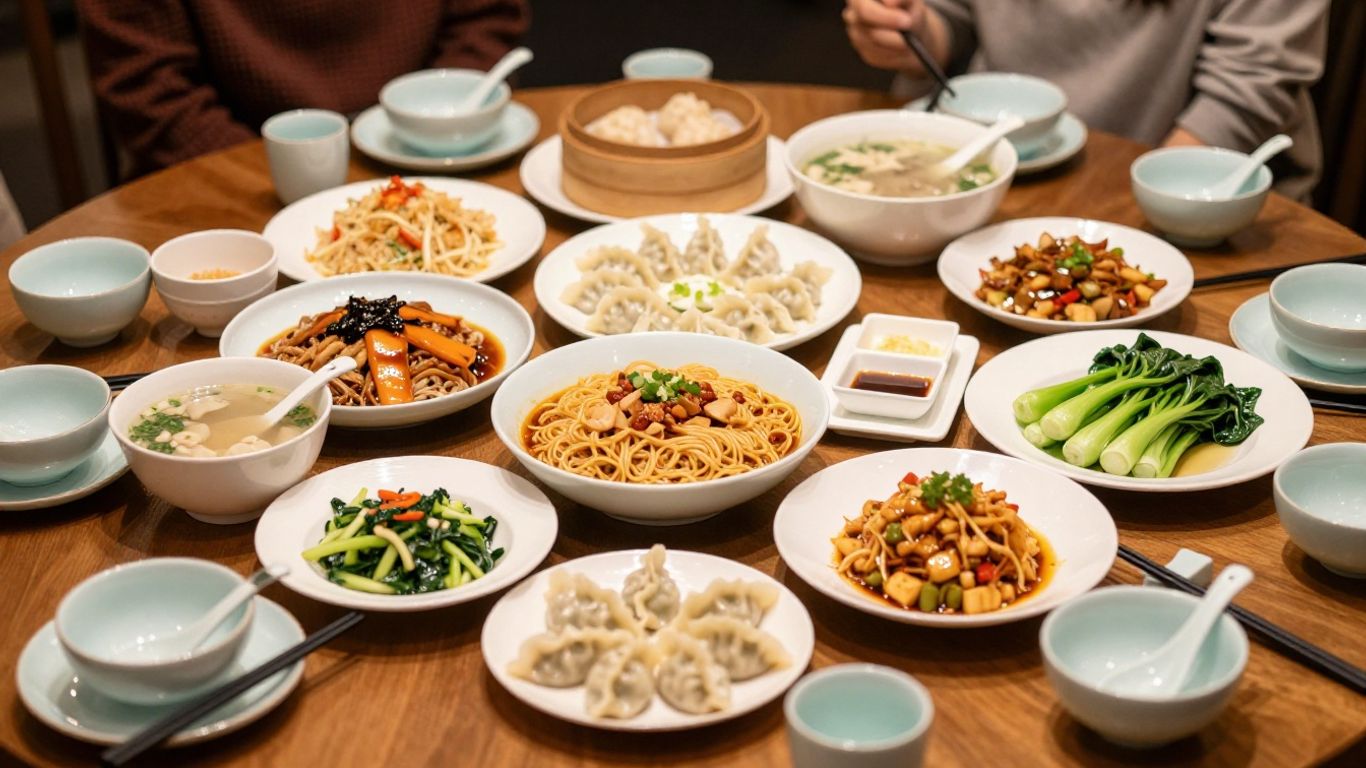
Starters are a practical way to sample several flavors without committing to a full entrée. Dumplings, spring rolls, cold appetizers, scallion pancakes, cucumber salads, and marinated meats can introduce different textures and temperatures. For a group, two or three small plates may create more variety than one large starter.
We should check whether an appetizer is fried, steamed, chilled, or served with a separate dipping sauce. That detail affects how filling it will be and how well it will travel. A crisp item may be best eaten immediately, while a cold vegetable dish can remain enjoyable during a longer meal.
Stir-fries are often the most flexible part of a menu because we can choose among vegetables, proteins, and sauces. Noodles may be wheat-based, rice-based, broad, thin, dry, or served in broth. Fried rice can be light and egg-forward or packed with meat and vegetables; four fried rice styles provide a useful introduction to those differences.
The best choice depends on when we plan to eat. Noodles and fried rice are convenient for a quick individual meal, while a vegetable stir-fry can balance richer shared dishes. We can also ask for sauce on the side when we want more control over salt, sweetness, or moisture.
Soups and steamed dishes often reward a slower approach. A broth-based soup may work as a gentle first course, while dumplings offer a compact combination of wrapper, filling, and dipping sauce. Steamed fish, buns, rice noodle rolls, and steamed vegetables tend to preserve a clean flavor and softer texture.
Temperature and timing matter here. Dumplings can lose their delicate texture if they sit too long, and soup should arrive hot enough to be comforting without masking its aroma. When we are new to regional dishes, ordering one familiar steamed item alongside something less familiar creates a low-pressure way to explore.
Entrées are usually where we build the center of a shared meal. Chicken may be tender and lightly seasoned or coated in a bold sauce; beef can be sliced for a quick stir-fry or cooked slowly; pork, seafood, tofu, and vegetables each bring different textures. We can choose two contrasting preparations instead of ordering several dishes that all taste sweet, fried, or heavily sauced.
For a broader view of local cooking, Guangzhou food specialties can help us see how Cantonese dishes often make room for fresh ingredients, gentle seasoning, and varied textures. We do not need to treat one region as the definition of Chinese food. Its value is in showing how much the category can contain.
There is no single correct way to enjoy Chinese food. Some of us want a mild meal with aromatic scallion and ginger, while others prefer chili heat, black vinegar, or a rich fermented savoriness. We can describe what we like in ordinary words and ask the restaurant to guide us. This is often more useful than choosing only by a dish name we may not recognize.
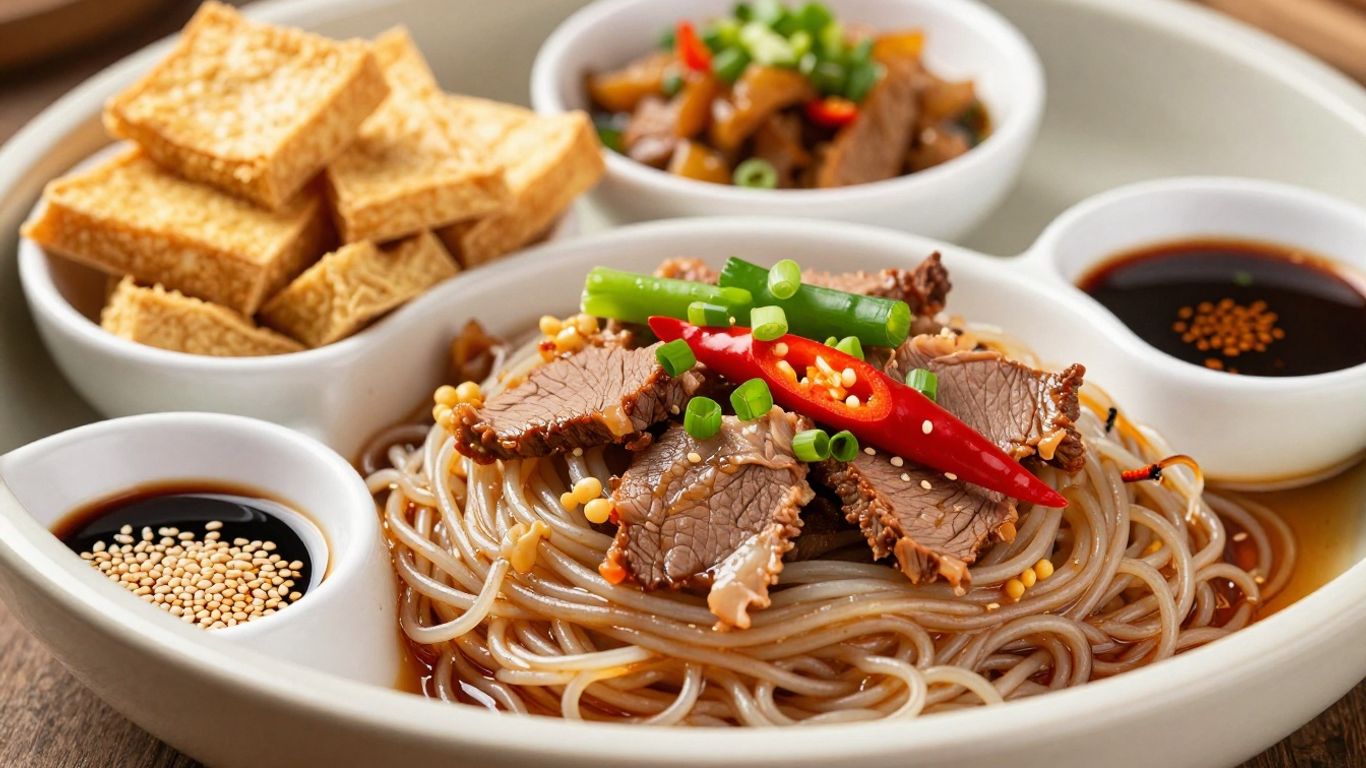
Flavor descriptions give us a dependable starting point. Mild dishes may still be fragrant, savory dishes may draw on soy or stock, and sweet-and-sour combinations can range from bright and restrained to thick and candy-like. Chili heat also varies: some dishes bring a clean, fresh burn, while others add smoky dried-chili aroma or numbing Sichuan pepper.
We can ask for mild, medium, or spicy seasoning, but those labels are not universal. A useful request might be “less sweet,” “more vinegar,” or “chili on the side.” Describing the balance we want gives the cook more information than simply saying we want something authentic.
Texture can guide the order when flavor terms feel uncertain. Crispy spring rolls, tender braised beef, chewy noodles, silky tofu, and crunchy greens create very different experiences. A varied table usually feels more satisfying when we combine at least one crisp or fresh dish with something soft, saucy, or brothy.
We should remember that some textures change during delivery. Fried coatings soften, noodles absorb broth, and steamed dumplings can become sticky in a closed container. For immediate dining, we can prioritize delicate textures; for takeout, sturdier preparations may be the wiser choice.
Regional influence helps explain why two dishes with similar names may taste quite different. Cantonese cooking is often associated with fresh flavors and careful steaming, Sichuan cooking may use chili and Sichuan pepper, and northern menus commonly include wheat-based noodles, dumplings, and breads. American Chinese cuisine is another distinct tradition shaped by adaptation and local availability, as the history of American Chinese cuisine explains.
We can approach these categories with curiosity rather than rigid expectations. A city guide, food market, or neighborhood restaurant may present a dish in a way that does not fit a simplified regional label. That variation is part of what makes eating across China so rewarding.
Customization works best when we are specific and realistic. We can ask for no cilantro, sauce on the side, less oil, extra vegetables, or a different protein when the kitchen can reasonably accommodate it. We should also understand that a substitution may change the balance of the dish, particularly when the original ingredient provides fat, aroma, or texture.
A simple order can include the dish, the adjustment, and the reason: “Could we have this mildly spicy because we are sharing it with children?” or “Could the sauce be separate so the fried pieces stay crisp?” Clear requests are easier to fulfill and usually lead to a better meal.
Dietary needs deserve a direct conversation, not a guess based on appearance. A vegetable dish may contain oyster sauce, stock, or animal fat, and a plain-looking noodle dish may include wheat, soy, or another ingredient we need to avoid. We can ask about preparation before ordering and explain the seriousness of an allergy clearly. Menus vary, so careful questions remain useful whether we dine in a city neighborhood or order from home.
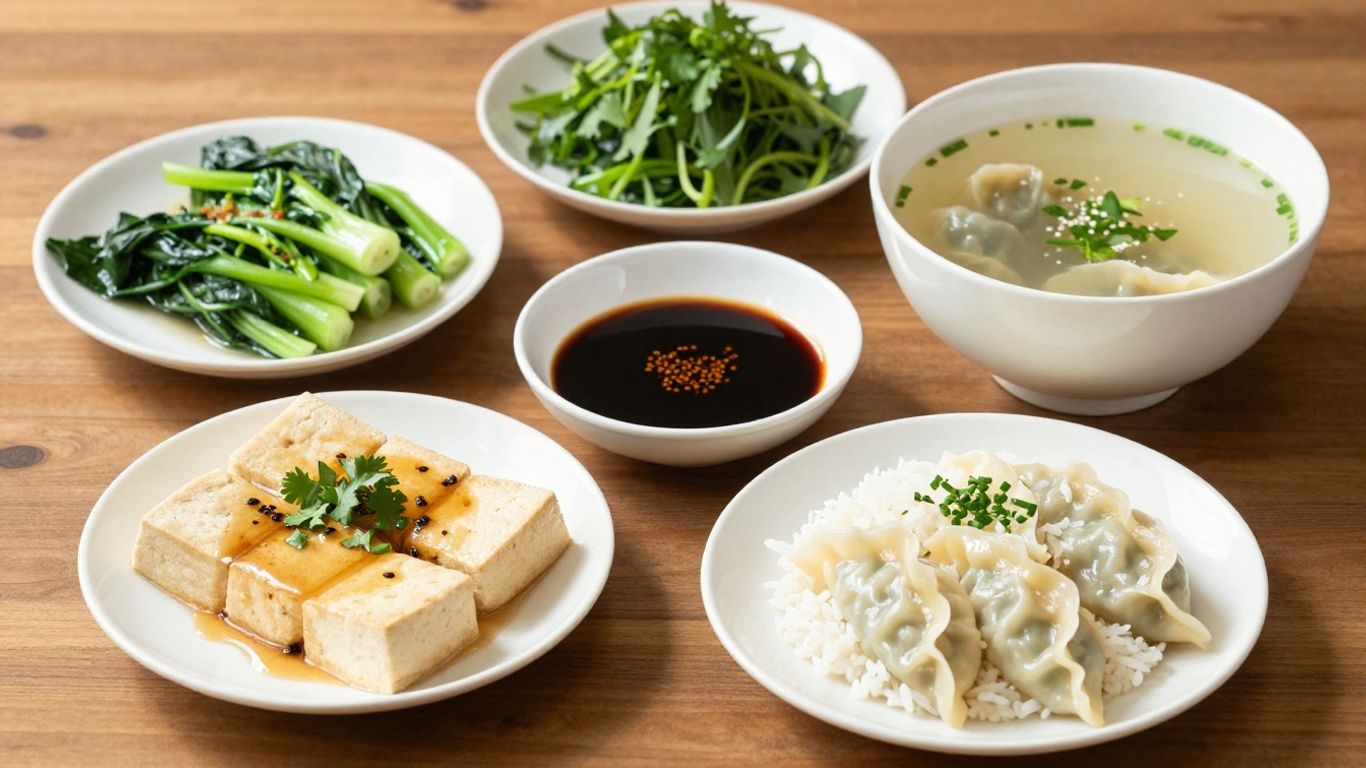
Vegetarian diners can often find tofu, eggplant, mushrooms, leafy greens, vegetable dumplings, and stir-fried noodles, but the cooking base still needs checking. Vegan diners should ask whether the dish contains egg, dairy, oyster sauce, fish sauce, shrimp paste, or meat-based stock. A request for “vegetarian” may not always mean vegan.
We can create a satisfying meal by combining a protein-rich tofu dish with greens, rice, and a vegetable starter. Breakfast foods and small dishes can broaden the options too; Chinese breakfast favorites show how varied morning eating can be across different regions.
For a lighter meal, we can favor steamed, poached, roasted, or lightly stir-fried dishes and request less sauce. Broth, pickles, fermented ingredients, and soy-based seasonings can all add sodium, so it helps to ask which elements are most heavily seasoned. Portioning a rich entrée alongside plain rice and vegetables can also make the meal feel more balanced.
“Light” does not have to mean bland. Ginger, scallion, citrus, fresh herbs, toasted sesame, and vinegar can add aroma without requiring a thick sauce. We can also share a richer dish rather than ordering a full portion for each person.
Wheat may appear in noodles, dumpling wrappers, buns, breading, and soy sauce. We should ask about the ingredients in the full dish, including the sauce and garnish, rather than assuming rice makes the meal gluten-free. Cross-contact is another question for people with celiac disease or a serious allergy.
Useful questions include whether the restaurant has gluten-free sauce, whether utensils are shared, and whether a dish is cooked in the same oil as breaded foods. If the kitchen cannot answer confidently, choosing a different dish or restaurant is safer than relying on appearances.
Common allergens can include peanuts, tree nuts, sesame, shellfish, fish, soy, eggs, and wheat. We can name the allergen plainly, ask whether it appears in the sauce or cooking oil, and confirm the answer before placing the order. For delivery, a written note can help, though it should not replace a direct conversation when the risk is serious.
It is also wise to keep the order simple when managing several restrictions. Fewer components make it easier to understand what we are eating, and separate sauces can reduce uncertainty. A restaurant that answers carefully is giving us useful information even when a particular dish is not suitable.
The best order depends partly on where we will eat it. Dining in gives us access to delicate textures and dishes meant to be served immediately, while takeout and delivery favor food that can withstand time in a container. We can compare menus, minimums, fees, reviews, photos, and packaging details with a practical Chinese food delivery guide before deciding. A little planning prevents a meal from arriving lukewarm, soggy, or much larger than expected.
Before ordering, we can ask how many people a dish serves, whether rice is included, how spicy it is, and whether sauces come separately. Dietary questions should be direct, and we should confirm substitutions rather than assuming they are possible. If we are visiting a new city, asking staff what is popular locally may reveal a dish that is not obvious from an English menu.
For a group, it also helps to ask whether the restaurant can stagger courses or pack sauces separately. These small details affect both the eating experience and the amount of food that remains enjoyable later.
Dishes with broth, sauce, or a sturdy texture usually travel better than fragile fried foods. Braised meats, rice, saucy vegetables, and some noodle dishes can remain satisfying after a short journey, while crisp batter and delicate dumpling wrappers need quicker eating. We can order fried toppings separately when the restaurant offers that option.
Reheating should be gentle. A microwave can soften crisp food, while a pan or oven may restore some exterior texture. We should keep rice, noodles, and sauces separate when possible so each component retains more of its intended character.
Individual combinations are convenient when everyone wants a complete meal, but family-style ordering creates more variety. A useful starting point is one shared dish per person, plus rice or noodles and perhaps one vegetable dish, then adjusting for appetite. We should account for appetizers, soup, and dishes with large portions before adding more.
Family-style meals work especially well when we choose contrasts: one mild dish, one bolder dish, something green, and a starch. This approach lets everyone try a little without forcing the entire table into one flavor profile.
Timing affects quality as much as ingredients do. We can confirm the estimated preparation time, check that hot and cold items are separated, and inspect containers when the order arrives. A sealed package, intact sauce cup, and warm center are practical signs that the meal has been handled well.
If something is missing or damaged, contacting the restaurant promptly is more productive than silently accepting it. For travelers, saving the address, delivery instructions, and local phone number can make repeat orders much easier.
Value is not simply the lowest price. A meal offers better value when the portions suit the group, the food has enough variety, and we are not paying for sides nobody wants. We can read combination details carefully because rice, soup, drinks, and sauces may be included—or may cost extra. This is particularly useful when we are unfamiliar with local menu conventions.
Combination meals can be economical for one person, while family portions may be better for two or more people who are happy to share. We should compare the amount of protein, vegetables, and starch rather than looking only at the headline price. A slightly more expensive dish may provide a fuller meal or better leftovers.
When the menu is unclear, asking how many diners a large entrée serves is worthwhile. We can also request that a sauce-heavy dish be packed separately, which may make one order stretch across more than one meal without becoming soggy.
Small additions can improve a meal, but they can also quietly inflate the bill. We can choose one side that fills a gap—such as greens, rice, or soup—instead of adding several similar starches. Extra sauce is useful only when we know we will use it, and drinks may be unnecessary if the meal already includes tea or another beverage.
A good strategy is to order the core dishes first, then add only what supports them. This keeps the meal focused and leaves room for a dessert, fruit, or a dish we discover at the table.
Sharing gives us a better sense of the menu and makes contrasting flavors possible. We might pair a gentle steamed dish with a crisp starter, a vegetable preparation with a savory meat entrée, and rice or noodles to connect everything. Three well-chosen dishes can be more enjoyable than five that repeat the same sauce.
For travelers, local food streets and neighborhood markets can offer another way to sample variety in smaller portions. We can use Guangzhou dim sum and Cantonese food spots as a reference for how several small dishes may form a complete meal rather than treating each plate as a separate entrée.
We should refrigerate leftovers promptly in shallow containers and use clean utensils when serving them again. Rice, noodles, meat, seafood, and vegetables should be cooled and stored rather than left at room temperature for a long stretch. When reheating, the food should become hot throughout, not merely warm around the edges.
Labeling containers with the date helps us keep track of what should be eaten first. If the texture or smell seems questionable, it is better to discard the food than try to rescue it with more sauce or seasoning.
Choosing quality foods Chinese food becomes much easier when we look beyond familiar dish names. By considering freshness, technique, regional influence, dietary needs, portion size, and travel time, we can order with more confidence and enjoy a wider range of flavors wherever our travels take us.
Fresh ingredients, balanced seasoning, appropriate cooking methods, appealing textures, and careful handling are strong general signs of quality. Consistency and a clear relationship between the sauce and the main ingredients matter too.
Start with a familiar cooking method or flavor profile, then add one less familiar dish for comparison. Asking about spice level, texture, and portion size can make the choice easier.
Stir-fries, dumplings, steamed vegetables, fried rice, noodles, and several small appetizers usually work well for sharing. Choose contrasting flavors and textures so the meal does not feel repetitive.
Ask for less sauce or sauce on the side, and favor steamed, lightly stir-fried, or roasted dishes. Fresh aromatics, vinegar, and chili can add flavor without requiring a heavily seasoned coating.
Ask whether the allergen appears in the main ingredients, sauce, stock, cooking oil, or shared equipment. People with serious allergies should explain the risk clearly and order only when the restaurant can answer reliably.
Saucy entrées, braised dishes, rice, and sturdy vegetable preparations generally travel better than delicate fried foods. Keeping sauces and crisp toppings separate can help preserve texture.
A practical starting point is one shared dish per person, plus rice or noodles and a vegetable dish, adjusted for appetite and appetizers. Asking the restaurant how many people a portion serves is the most reliable guide.