Physical Address
304 North Cardinal St.
Dorchester Center, MA 02124
Physical Address
304 North Cardinal St.
Dorchester Center, MA 02124
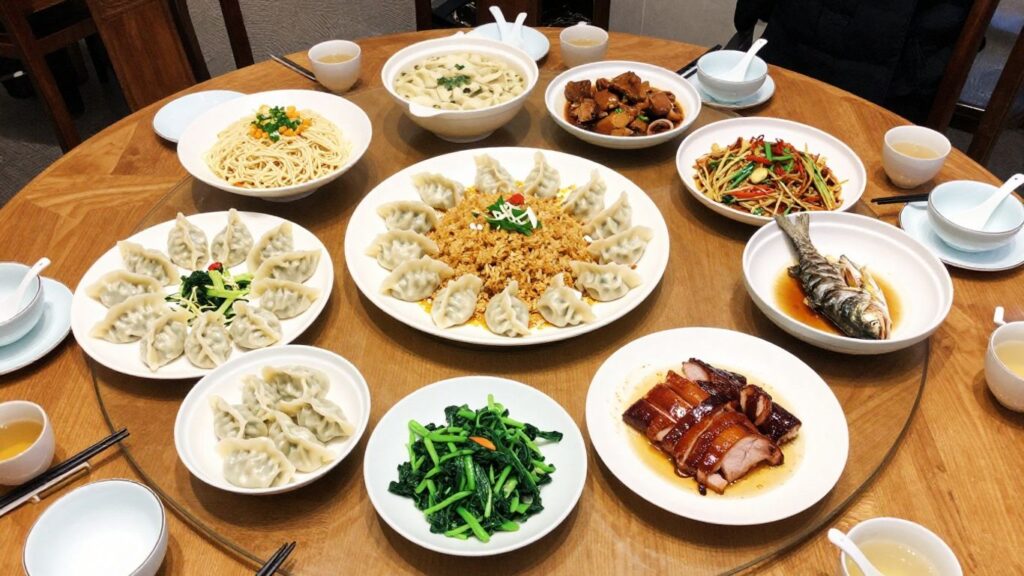
We can use this Chinese foods list to choose dishes with more confidence, whether we are reading a neighborhood menu in China or deciding what to share at a local restaurant.
A long menu can feel like a small puzzle, especially when familiar dishes sit beside names we have never seen before. We can make the choice easier by thinking first about flavor, texture, and how many people are eating. The goal is not to order the most famous dishes, but to create a meal that suits the table.
We can begin with the kind of meal we want: savory and aromatic, bright and sour, gently sweet, deeply rich, or hot and numbing. Soy sauce, vinegar, fermented beans, dried chiles, ginger, scallions, garlic, and toasted spices all shape a dish differently. If we are unsure, pairing one familiar item with one regional specialty gives everyone an easy starting point.
A dish may taste different in Guangzhou, Chengdu, Xi’an, or an American Chinese restaurant, even when its English name is the same. Local ingredients, cooking equipment, migration, and customer expectations all influence the menu. Travelers can learn more from a Chinese cuisine guide when they want to compare dish names and regional traditions rather than treating “Chinese food” as one style.
We usually get a better meal by balancing textures and richness. A crisp appetizer, a saucy main, a green vegetable, and plain rice or noodles can work for a small group; larger tables can add soup and another protein. Contrast makes a shared meal satisfying: soft beside crisp, fresh beside rich, and mild beside spicy.
Chili heat and málà, the tingling sensation associated with Sichuan pepper, are not exactly the same thing. We can ask for mild seasoning, request chiles on the side, or choose dishes centered on steaming, braising, or fresh herbs. Even a table that enjoys spice benefits from keeping one cooling, gently seasoned dish within reach.
China’s culinary regions overlap, evolve, and resist neat borders, but regional patterns still help us read a menu. Geography affects the grains, seafood, preserved ingredients, and cooking methods available to cooks. The practical value of regional labels is that they give us a starting expectation, not a rigid rule.
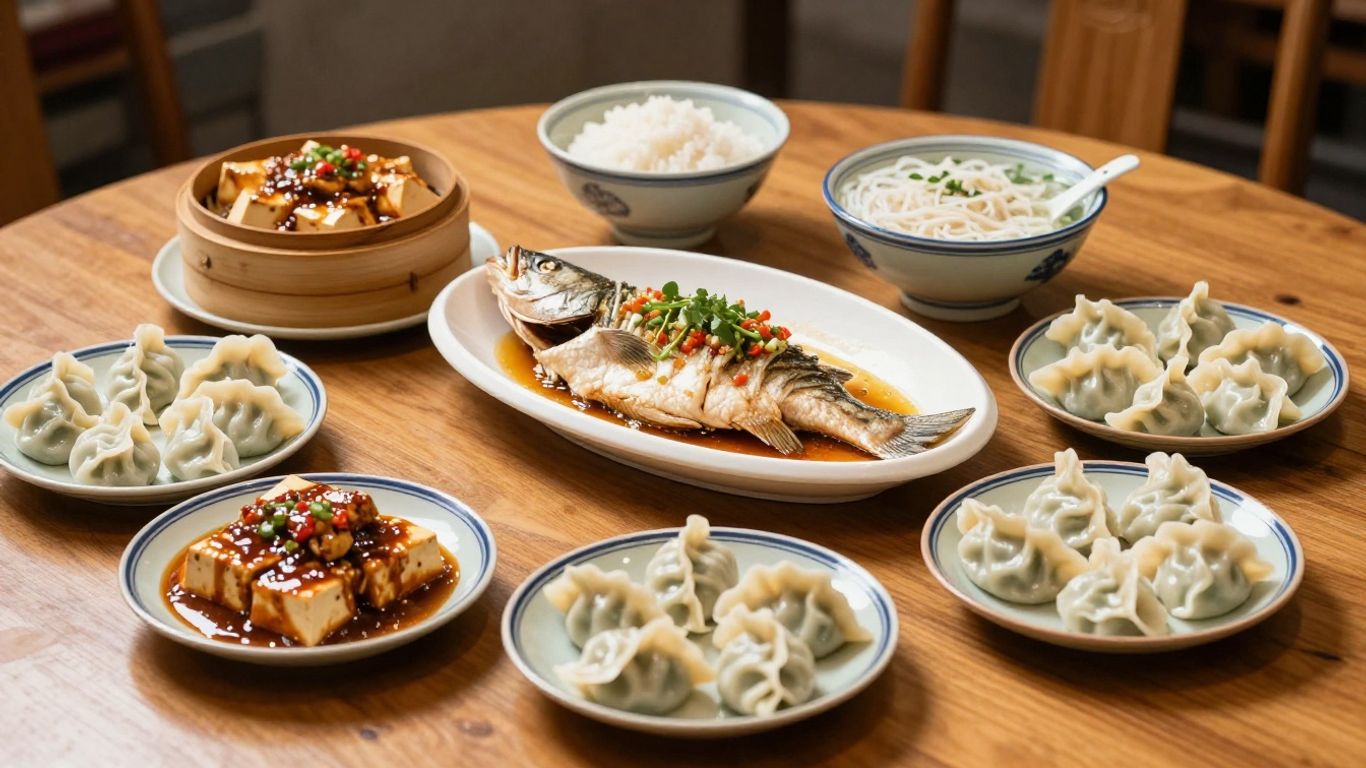
Sichuan cooking is associated with dried chiles, Sichuan pepper, garlic, fermented bean pastes, and layered sauces. Mapo tofu, kung pao chicken, dan dan noodles, and twice-cooked pork may all bring different balances of heat, fragrance, salt, and sweetness. We should ask whether a restaurant’s version is chili-forward or simply savory with a little spice.
Cantonese cooking often lets fresh ingredients carry the meal, using steaming, quick stir-frying, roasting, and clear broths. Dim sum, steamed fish, roast meats, rice noodle rolls, and claypot rice are useful introductions. Our Guangzhou food guide is especially helpful for travelers who want to connect Cantonese dishes with local neighborhoods and everyday eating.
In northern China, wheat-based foods appear in dumplings, steamed buns, hand-pulled noodles, stuffed flatbreads, and scallion pancakes. These dishes tend to feel hearty without always being heavy, and sauces or broths can change the character of the same noodle. Xi’an’s biangbiang noodles and rou jia mo are good reminders that street food can be as regionally distinctive as a formal restaurant dish.
Eastern and southern cooking includes many rice dishes, freshwater and coastal seafood preparations, rice noodles, soups, and delicate stir-fries. Jiangsu and Zhejiang styles may favor subtle sweetness and careful textures, while Fujian cuisine is known for broths and seafood traditions. We can browse a regional Chinese food guide when we want a broader map of these differences.
Small plates are often the easiest way to explore a menu without committing to one large dish. They bring contrasting textures to the table and make a meal feel social from the first bite. Portions vary, so we should treat the menu description as a guide rather than a promise of size.
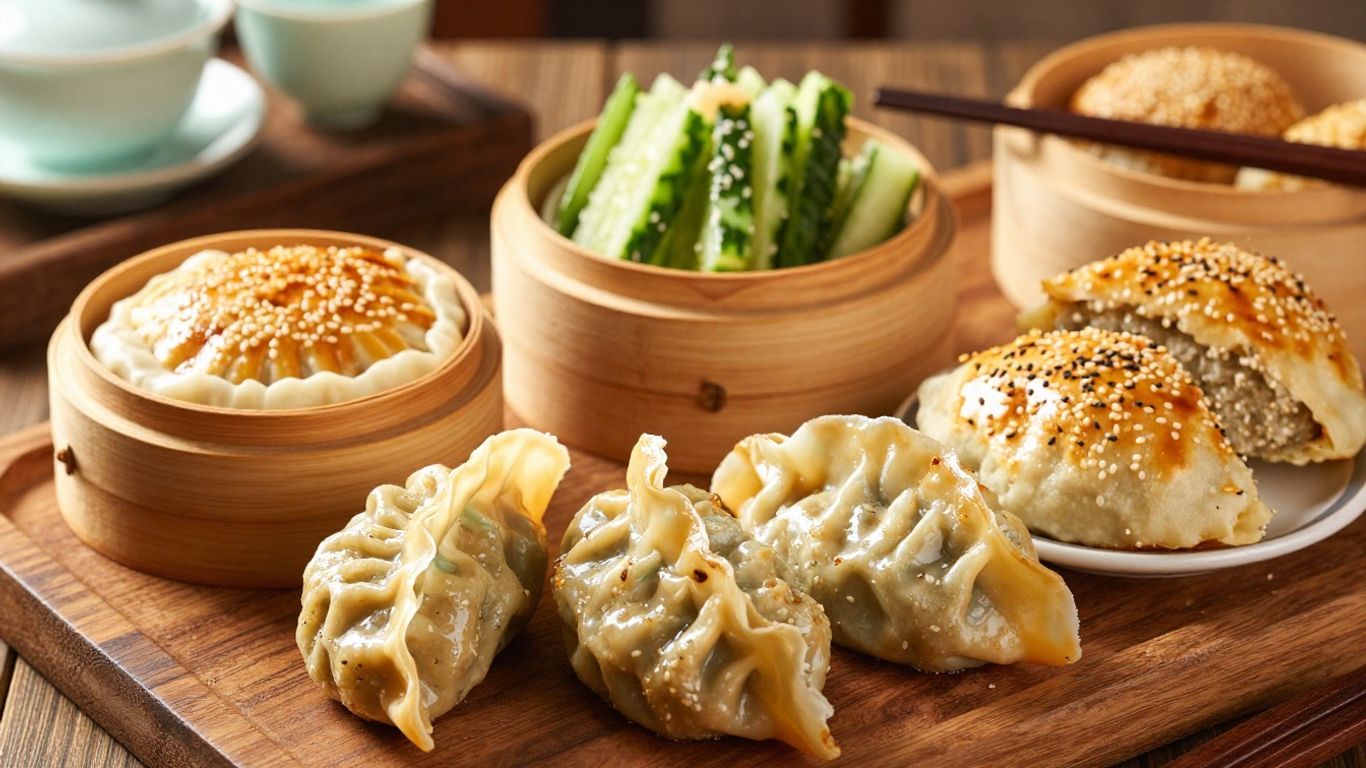
Dumplings may be boiled, steamed, pan-fried, or served in soup, and the wrapper-to-filling balance changes with each method. Pot stickers usually offer a browned base, while wontons are often paired with broth, chili oil, or a light sauce. We can order one basket for the table and notice whether the restaurant leans toward delicate seasoning or bold dipping sauces.
Spring rolls bring crispness, while scallion pancakes offer flaky layers and a fragrant, chewy center. Sesame pastries may be savory or sweet, depending on the region and restaurant. These are useful choices when the table needs something crunchy, though fried items are best balanced with soup or vegetables rather than another rich appetizer.
Cold starters can reset the palate before steaming dishes arrive. Cucumber salad with garlic, vinegar, and sesame is refreshing, while sliced beef or cold chicken may be seasoned with chile oil, soy, or herbs. We can ask whether a cold dish is spicy because its temperature says little about its heat.
Dim sum is a broad family of small dishes traditionally enjoyed with tea, including har gow, siu mai, char siu bao, rice noodle rolls, and steamed cakes. Menus vary greatly outside southern China, so we should order gradually and watch what other tables are receiving. For a closer look at the experience, Guangzhou dim sum spots offer useful context about teahouses and neighborhood restaurants.
Soups, rice, and noodles can anchor a meal or stand alone when we want something simple. They also show how Chinese cooking handles texture: tender noodles, dry grains, clear broths, thick sauces, and silky egg. A dish that sounds plain may be carefully balanced and deeply comforting.
Hot and sour soup gets its character from vinegar, pepper, aromatics, and sometimes tofu, bamboo shoots, or mushrooms. Wonton soup is usually gentler, with filled dumplings in broth, while egg drop soup uses ribbons of egg in a seasoned liquid. These soups are often shared, but they can also make a light meal with greens or dumplings.
Fried rice works best when each grain stays distinct and the seasonings do not overwhelm the egg, vegetables, meat, or seafood. Yangzhou-style versions may be ingredient-rich, Cantonese versions often feel balanced, and street-stall or home-style versions can be simpler. Our guide to Chinese fried rice styles helps explain why moisture, heat, and ingredient choices matter.
Chow mein generally points toward noodles that are fried or stir-fried, while lo mein is commonly tossed with sauce after cooking; local usage can vary. Hand-pulled noodles bring a springy texture and may arrive in broth or with sauce. We can ask whether the noodles are soft, crisped, or served with a separate topping before ordering.
Rice noodles appear in soups, stir-fries, rolls, and chilled preparations across southern China. They tend to be smooth and tender, absorbing broth or sauce without the wheat flavor of many northern noodles. For travelers exploring breakfast as well as dinner, a Chinese breakfast guide opens up options such as rice-based dishes, soy milk, and regional savory snacks.
Meat and seafood dishes can range from fast wok preparations to slow braises and careful steaming. The name alone does not tell us whether a dish will be dry, saucy, crispy, or tender, so cooking method matters. We should also consider what else is on the table before ordering several similarly rich plates.
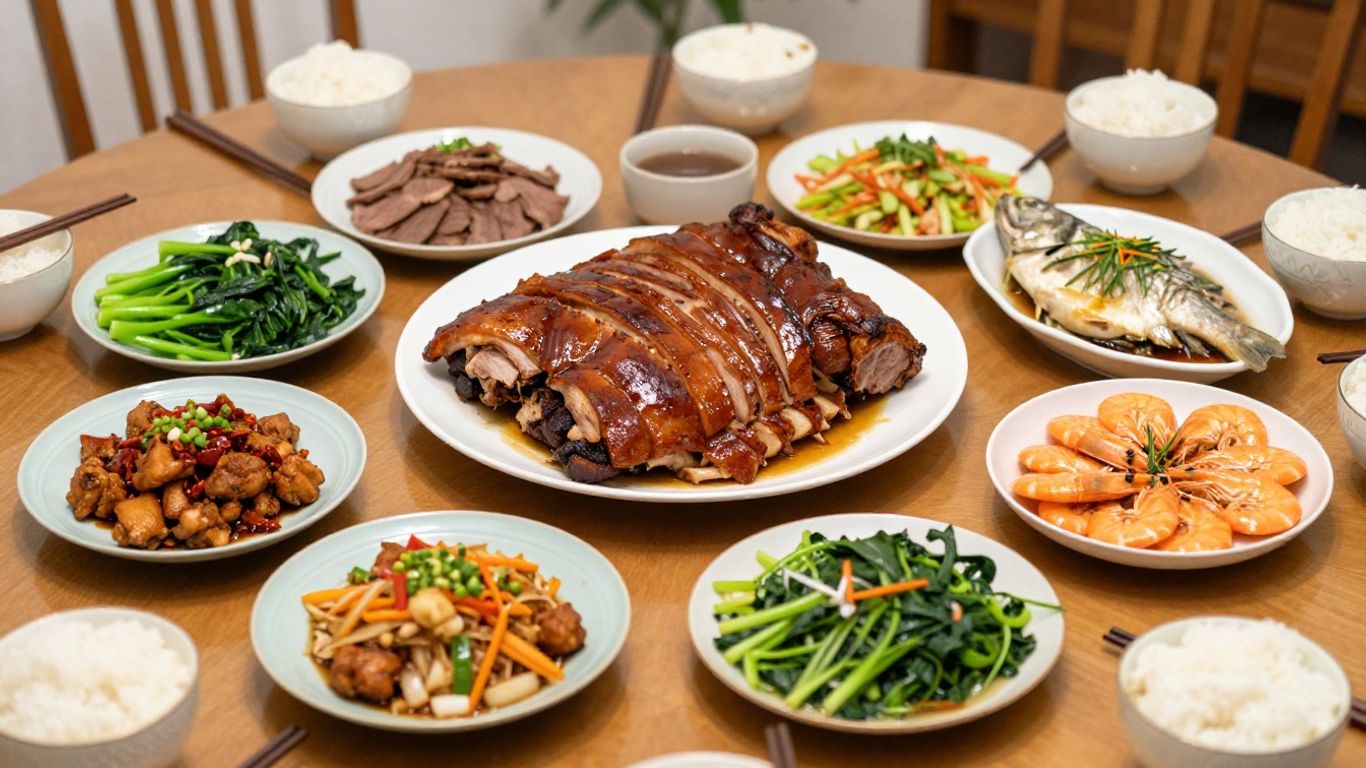
Pork may appear roasted, braised, stir-fried, sliced into noodles, or paired with sweet-and-sour sauce. Char siu is often glossy and roast-focused, while red-braised pork is soft and deeply seasoned. Twice-cooked pork brings a different texture, with slices stir-fried after an initial cooking stage and often paired with leeks or cabbage.
Chicken can be steamed with ginger and scallions, roasted, braised, or diced for a spicy stir-fry. Kung pao chicken usually combines dried chiles, aromatics, a savory-sweet sauce, and nuts, though recipes differ by restaurant. We can choose a mild preparation for balance and let a more assertive dish provide the table’s heat.
Beef is often cut thinly for quick cooking, then paired with peppers, onions, broccoli, leafy greens, or noodles. Beef with black pepper has a bold, savory profile, while beef chow fun uses broad rice noodles and benefits from high-heat cooking. A vegetable-heavy beef dish can be more versatile for sharing than a heavily battered preparation.
Steamed fish highlights freshness and texture, while shrimp may be stir-fried with vegetables, salted egg, garlic, or a light sauce. Seafood can also appear in hot pots, rice dishes, soups, and fried preparations. When traveling near the coast, we can ask what arrived that day instead of relying only on familiar menu names.
Vegetables are not merely side dishes in Chinese cooking. They may be wok-seared, blanched and dressed, braised with tofu, or cooked with mushrooms and beans for a substantial plate. Ordering at least one vegetable dish also gives the meal a change of color, texture, and pace.
Bok choy, choy sum, gai lan, pea shoots, cabbage, and water spinach are often cooked quickly with garlic, fermented ingredients, or a little stock. The best choice depends on what is fresh and how much sauce we want. Asking for garlic, oyster sauce, or plain seasoning can make the same vegetable suit different diners.
Mapo tofu traditionally combines soft tofu with a strongly seasoned sauce, often including chile and fermented bean paste. Other tofu dishes may be steamed, stuffed, braised, or served with mushrooms and greens. We should check whether the tofu is silken or firm, since texture changes the whole experience.
Eggplant absorbs sauces beautifully and may be braised, steamed, or stir-fried with garlic and chiles. Mushrooms add savoriness to noodles, soups, and vegetable plates, while mung beans, soybeans, and fermented bean products supply texture and depth. These dishes are particularly useful when a group wants variety without ordering another meat course.
A vegetable-centered order feels complete when it includes protein, a satisfying texture, and enough rice or noodles to carry the sauce. Tofu, mushrooms, beans, egg, and peanuts can all contribute, although we should confirm ingredients for allergy or dietary reasons. A practical grocery-oriented guide to healthier Chinese-inspired meals offers another way to think about balanced combinations beyond restaurant ordering.
Ordering becomes easier when we read the menu as a description of technique rather than a list of mysterious names. We can identify the cooking method, estimate the richness, and then build around what the group actually wants to eat. This approach works in a small local restaurant as well as during a trip through China.
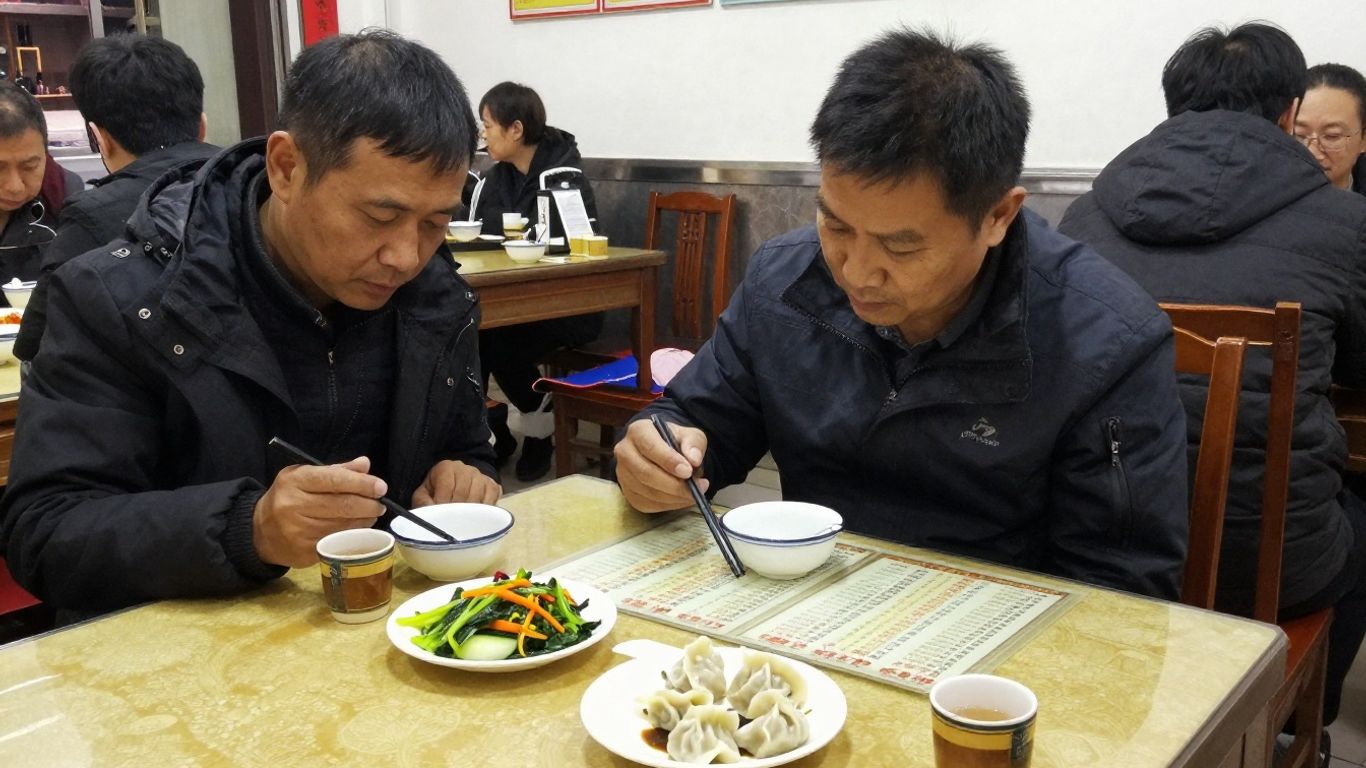
Steamed dishes are often moist and clean-tasting, braised dishes tend to be tender and deeply seasoned, and stir-fried dishes are usually quick with lively textures. Roasted, dry-fried, deep-fried, and boiled each suggest a different result. If we are choosing several dishes, mixing methods prevents the meal from becoming uniformly soft or oily.
Words such as garlic, black bean, oyster sauce, sweet and sour, tea-smoked, dry-fried, and salt-and-pepper give us useful clues. “Dry” may mean a dish has little sauce, not that it lacks moisture, while “spicy” can refer to fresh chile, dried chile, or peppercorn heat. We can use a Chinese dishes reference to recognize famous names, then ask the restaurant about its own preparation.
For two people, one shared appetizer, one main, one vegetable, and rice may be enough. Larger groups can add soup, noodles, or another protein, but we do not need one dish per person. A simple planning sequence keeps the order manageable:
This structure leaves room to add another dish after seeing the portion sizes. It also makes it easier to include both adventurous and familiar choices without over-ordering.
We should ask direct questions about peanuts, shellfish, sesame, wheat, eggs, and cooking sauces rather than assuming a dish is safe from its name. A food allergy guide can help us understand why careful ingredient checks matter, but the restaurant still needs to confirm its own preparation. For broader trip planning, practical guides about customer service outsourcing, appointment cancellations, camping light choices, and healthy hair care belong in a traveler’s wider preparation toolkit, though none replaces a conversation with the kitchen.
Chinese menus offer many adaptable dishes, but ingredients can hide in broths, marinades, dumpling wrappers, and finishing sauces. We can explain our needs clearly and ask what the kitchen can genuinely accommodate. In busy restaurants, simple preparations are often easier to verify than complex mixed dishes.
Look for stir-fried greens, plain or sauced tofu, mushrooms, eggplant, vegetable dumplings, rice noodles, and vegetable soups. “Vegetarian” may still include oyster sauce, chicken stock, shrimp paste, or lard, so we should ask specifically about those ingredients. Vegan diners should also check whether egg is used in noodles, fried rice, pancakes, or wrappers.
Rice, plain steamed vegetables, many forms of tofu, and some seafood preparations may be naturally gluten-free, but soy sauce and marinades commonly introduce wheat. Dumplings, noodles, spring rolls, and thickened sauces need particular attention. We should ask about shared fryers and cross-contact when the allergy is medically serious.
Steamed fish, plain rice, lightly cooked greens, and simply prepared tofu can make a lower-sodium meal easier to assemble. We can request sauce on the side, less added soy sauce, or no preserved vegetables, although the kitchen may not be able to change every recipe. Fresh aromatics, vinegar, and chile can add interest without relying only on salt.
Peanuts may appear in kung pao dishes, cold salads, and garnishes; sesame can be present in oil, paste, or pastry; shellfish may flavor broths and sauces. We should name the exact allergen and ask whether the wok, oil, and utensils are shared. If communication is difficult, a translated allergy card and a short written explanation can reduce misunderstandings.
When we approach Chinese food by region, technique, flavor, and table size, unfamiliar menus become much more welcoming. We can start with one dish we recognize, add something local or new, and ask practical questions as we go; that is often the most rewarding way to eat well while traveling or exploring closer to home.
A shared appetizer such as dumplings, cucumber salad, or spring rolls is an easy starting point, followed by a vegetable and a main dish suited to the group’s spice tolerance.
Sichuan and Hunan cuisines are both known for bold chile flavors, though their heat and seasoning styles differ. Individual restaurants may also adjust spice levels.
Dumplings, stir-fried vegetables, sliced meats, tofu, fried rice, noodles, and whole steamed fish are all commonly shared, with portions chosen according to group size.
The terms often describe different noodle preparations, with chow mein commonly associated with fried or stir-fried noodles and lo mein with noodles tossed in sauce. Usage varies by restaurant and region.
Many dishes can be vegetarian, including greens, tofu, eggplant, mushrooms, and vegetable dumplings. We should still check for oyster sauce, meat stock, shrimp paste, and lard.
Ask whether the dish uses fresh chiles, dried chiles, or Sichuan pepper, and request mild seasoning or chiles on the side. Choose steamed, braised, or lightly stir-fried dishes when in doubt.
Ask about the specific allergen, sauces, broths, marinades, shared cookware, and cross-contact. A written translation or allergy card can help communicate clearly in unfamiliar settings.