Physical Address
304 North Cardinal St.
Dorchester Center, MA 02124
Physical Address
304 North Cardinal St.
Dorchester Center, MA 02124
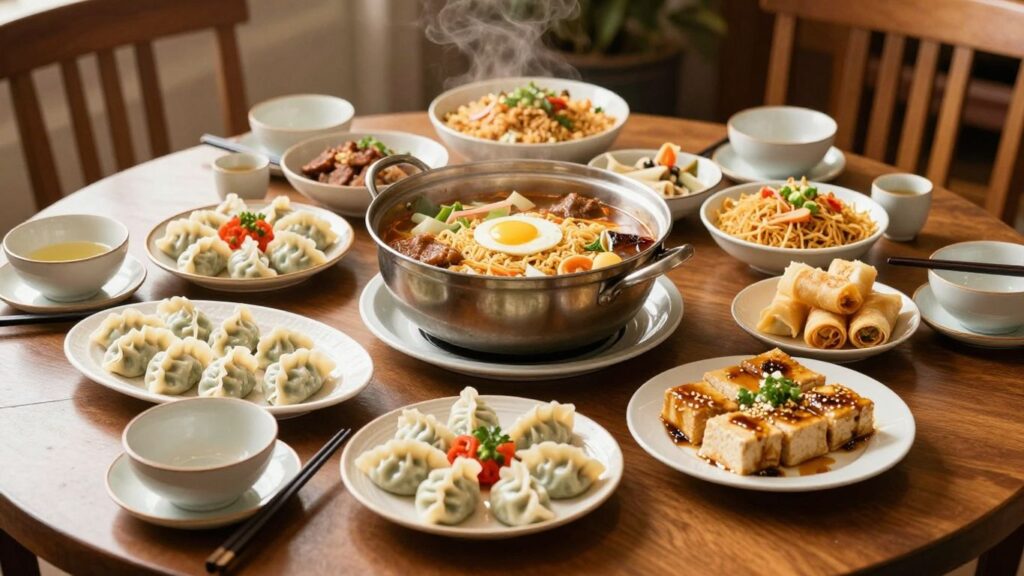
We can use this list of the most common chinese foods as a friendly starting point, then follow regional flavors wherever they lead.
Fried rice is one of the easiest Chinese dishes for us to recognize, yet it has far more variety than a takeout menu suggests. Day-old rice is usually stir-fried with egg, vegetables, meat, or seafood, allowing each grain to stay distinct rather than soft. The flavor can be simple and homey or layered with aromatics and carefully managed wok heat.
Yangzhou fried rice is often packed with small, colorful ingredients, while a Cantonese-style version may be cleaner and more restrained. Street-stall fried rice tends to be quick, fragrant, and intensely hot from the wok. For a useful comparison, we can browse this guide to Chinese fried rice styles before deciding what to order.
When we travel, fried rice works well as a shared dish because it bridges unfamiliar flavors without feeling bland. We might pair it with a vegetable dish, soup, or dumplings and ask whether the kitchen can make it less salty. That small request gives the rice room to show its texture and aroma.
Chow mein usually means stir-fried noodles tossed with vegetables, meat, seafood, or a combination of them. The noodles may be soft and springy or briefly fried for a crisp edge, depending on the regional style and restaurant. We can expect savory seasoning, plenty of wok aroma, and a dish that arrives hot enough to share immediately.
The best versions balance noodles with their additions instead of burying everything under sauce. Cabbage, bean sprouts, scallions, and carrots provide crunch, while sliced beef, chicken, shrimp, or tofu make the plate more substantial. A busy local restaurant may serve a version that looks quite different from the familiar American Chinese style.
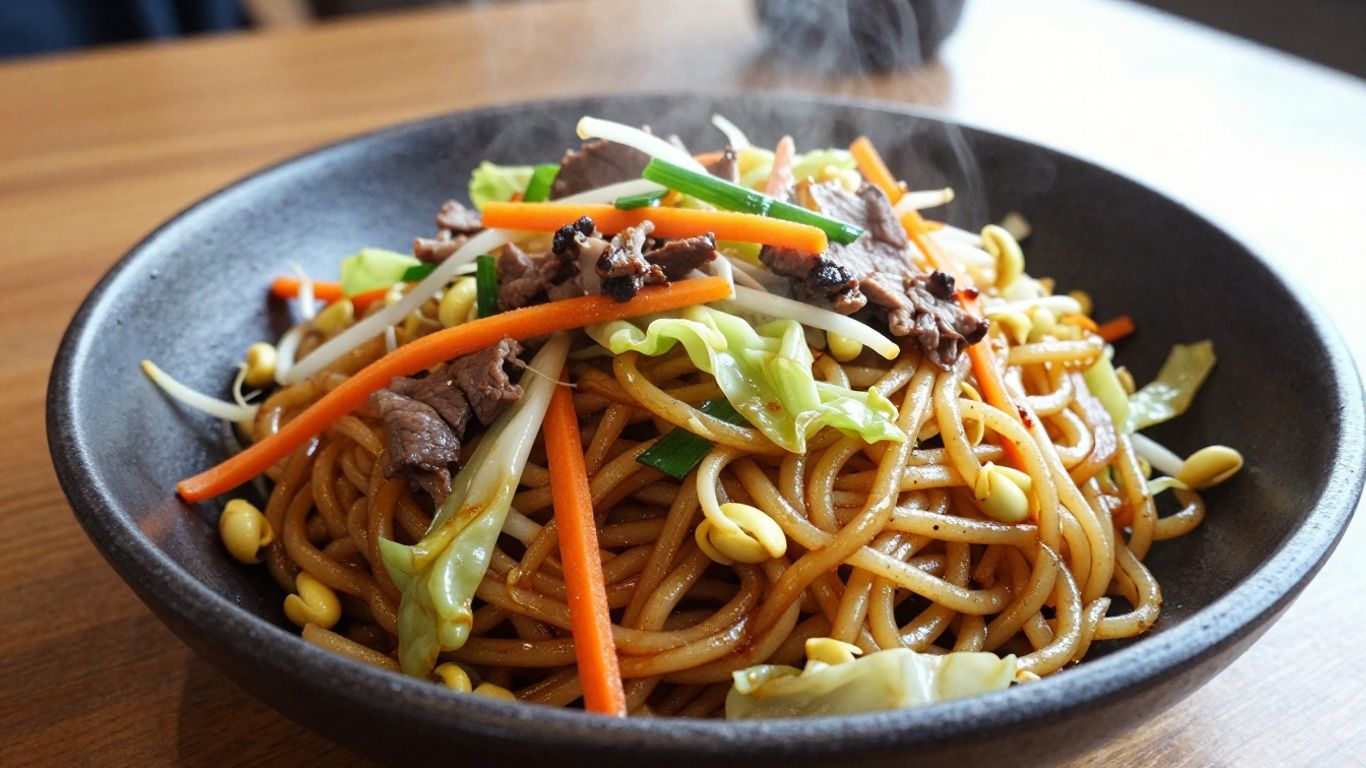
We can make chow mein a first order when we want something approachable but still distinctly regional. Try a few bites before adding chili oil, since the seasoning often develops as the noodles cool. A cold beer, tea, or a light soup makes a natural companion.
Dumplings are less a single recipe than a whole family of shapes, wrappers, fillings, and cooking methods. We may find them boiled, steamed, pan-fried, or served in soup, with fillings ranging from pork and chives to shrimp, vegetables, or lamb. Their appeal comes partly from contrast: tender dough around a juicy, savory center.
Jiaozi are common at family tables and restaurants, especially when several people are eating together. Guotie, often called pot stickers, are browned on one side so that a crisp base meets a softer top. In southern cities, dim sum menus add delicate steamed dumplings such as har gow to the wider conversation.
A good dipping sauce does not need to be complicated. Black vinegar, soy sauce, ginger, and sliced chili can be mixed to taste, and we can ask for the dumplings to arrive without sauce if we want to compare fillings. Eat carefully on the first bite, because freshly steamed dumplings can hold very hot broth.
Spring rolls bring a crisp, quick pleasure to the table, with a thin wrapper surrounding vegetables, meat, or other savory fillings. They are generally fried until golden, though regional versions and modern restaurants may use different wrappers or cooking methods. The filling should taste aromatic and fresh rather than oily.
Cabbage, carrot, mushrooms, and glass noodles are familiar combinations, but local menus can be more specific. In southern China, spring rolls may appear as part of a broader dim sum or snack selection, while other places serve them as a casual starter. Their compact size makes them easy to share while we wait for larger dishes.
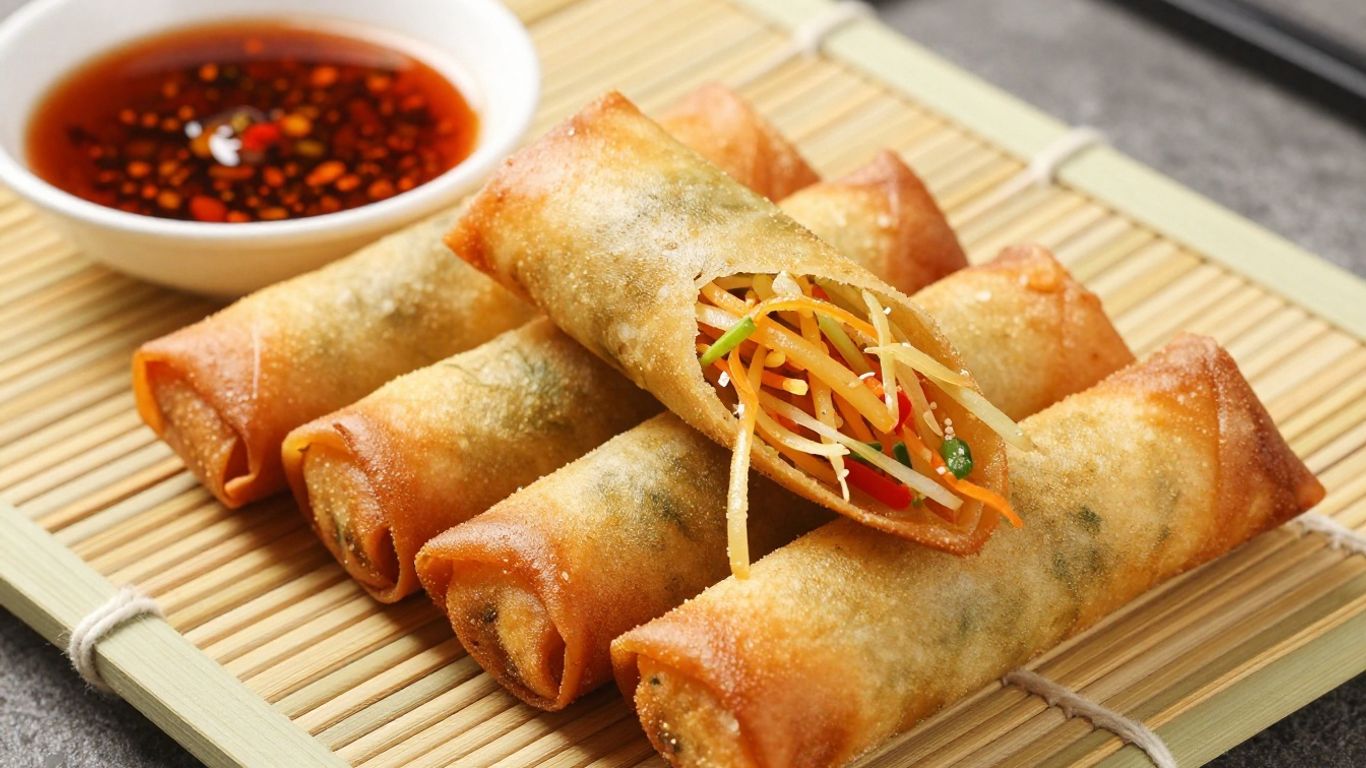
We can balance their richness with tea, lightly dressed greens, or a clear soup. It is also worth checking whether a restaurant serves a sweet, tangy, or chili-based dip, since the sauce can shift the whole impression. A crunchy spring roll is best eaten soon after it reaches the table.
Hot pot turns the meal into an unfolding activity: a simmering broth sits at the center, and we cook selected ingredients in it as we eat. Depending on the region, the broth may be mild, spicy, herbal, or divided into two flavors in one pot. Thinly sliced meat, seafood, tofu, mushrooms, greens, and noodles all work differently in the bubbling liquid.
Chaoshan beef hot pot is known for thin slices of fresh beef and a relatively simple broth that lets the meat remain central. Sichuan hot pot is more assertive, often combining dried chilies, numbing peppercorns, and rich aromatics. For a locally grounded example, we can read about beef hot pot in Shantou before planning a meal there.
The order of cooking affects the broth, so we might start with vegetables and tofu before adding heavily seasoned items. A small bowl of dipping sauce gives us control over salt, spice, sesame, garlic, or herbs. We should also allow time for the meal; hot pot is not meant to be rushed between sightseeing stops.
Kung pao chicken is a stir-fry of diced chicken with dried chilies, peanuts, and aromatics, usually built around a savory, lightly sweet, and tangy sauce. Sichuan versions can bring a gentle numbing sensation from Sichuan peppercorns alongside the chili heat. The dish is lively without needing to be overwhelmingly hot.
Cucumber, scallions, and peanuts give the tender chicken useful contrast. In restaurants outside China, the recipe may be sweeter or include vegetables that are not central to every Chinese version, so we can ask how the kitchen prepares it. That question often tells us more than a menu translation does.
Kung pao chicken is particularly good with plain rice, which softens the sauce and spreads the heat across each bite. We can order it alongside a less spicy vegetable dish rather than treating the meal as a test of endurance. The most satisfying plate has crisp peanuts and a sauce that clings lightly instead of pooling.
Sweet and sour pork combines crisp pieces of pork with a glossy sauce that moves between sugar, vinegar, and savory seasoning. Pineapple, peppers, and onions may add brightness and texture, though recipes vary by region and restaurant. The dish is familiar to many international diners, but a well-made version still has plenty of character.
The pork should retain some crunch beneath the sauce. If it sits too long, the coating softens, so we can share it soon after serving and balance it with steamed rice or greens. The contrast between hot fried meat and sharp sauce is the central pleasure.
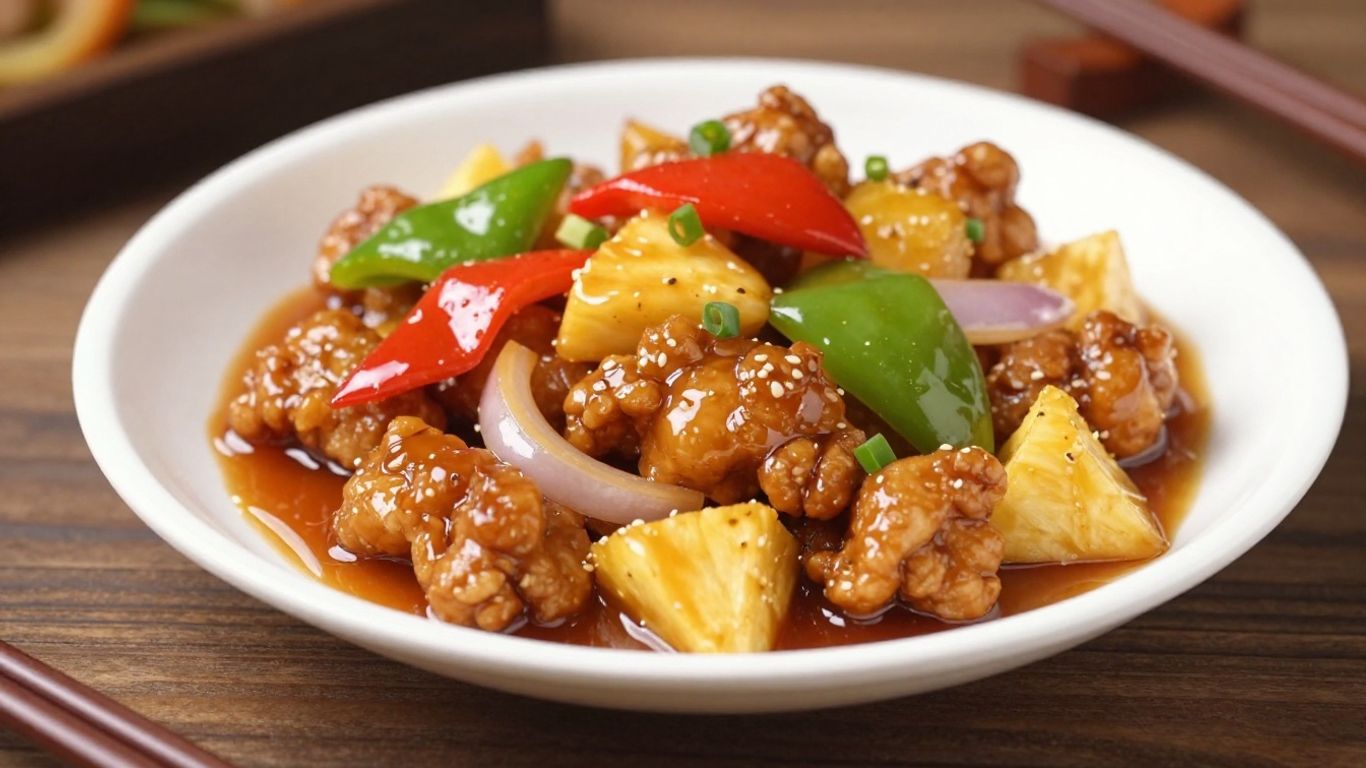
We can also compare the dish with other sweet-savory preparations rather than assuming every red sauce tastes alike. Some kitchens use a brighter vinegar profile, while others lean toward fruit and caramelized sweetness. That range is one reason this remains among the most common chinese foods for first-time visitors.
Mapo tofu is a Sichuan dish built from soft tofu, minced meat or another savory filling, fermented bean paste, chili, and aromatics. Its texture is almost as important as its flavor: silky tofu meets rich sauce, with heat and fragrance moving through the bowl. Sichuan peppercorns can add a distinctive tingling quality.
The dish is not simply hot tofu. Doubanjiang contributes fermented depth, while garlic, ginger, scallions, and chili oil create a fuller aroma. Vegetarian versions can be excellent when mushrooms, textured soy, or other ingredients provide enough savoriness.
Plain rice is the natural partner because it catches the sauce and calms the spice. We can request a milder version if needed, but reducing all of the chili and peppercorn may change the dish’s character. A small serving shared among several people is a comfortable way to begin.
Peking duck is a Beijing specialty prized for its thin, crisp skin and carefully carved slices. It is commonly served with thin pancakes, sweet bean sauce, scallions, and sometimes cucumber, allowing us to assemble each bite ourselves. The experience is partly about the ritual at the table and partly about the precise contrast of textures.
A restaurant may present the duck in several courses, using the meat, skin, and bones in different preparations. We should plan ahead for this dish because popular restaurants often require a reservation or have set serving times. It is usually best ordered for a group rather than as a solitary meal.
The first bite is worth trying with minimal sauce so that the crisp skin and rich duck speak for themselves. After that, we can adjust the pancake’s balance with more scallion or sweet bean sauce. Peking duck shows how a dish can be both celebratory and practical, with several people sharing one carefully prepared centerpiece.
Char siu is Cantonese-style barbecued pork with a lacquered exterior and a tender, savory-sweet interior. The meat is commonly marinated before roasting, which creates its deep color and slightly caramelized edges. Depending on the cut, we may find a leaner slice or one with ribbons of fat that keep it especially juicy.
It can be served with rice, tucked into noodles, or added to a broader Cantonese meal. The best slices have a clear roasted aroma rather than just sweetness, and the glaze should complement the pork instead of masking it. We can order a small plate to share while exploring other dishes.
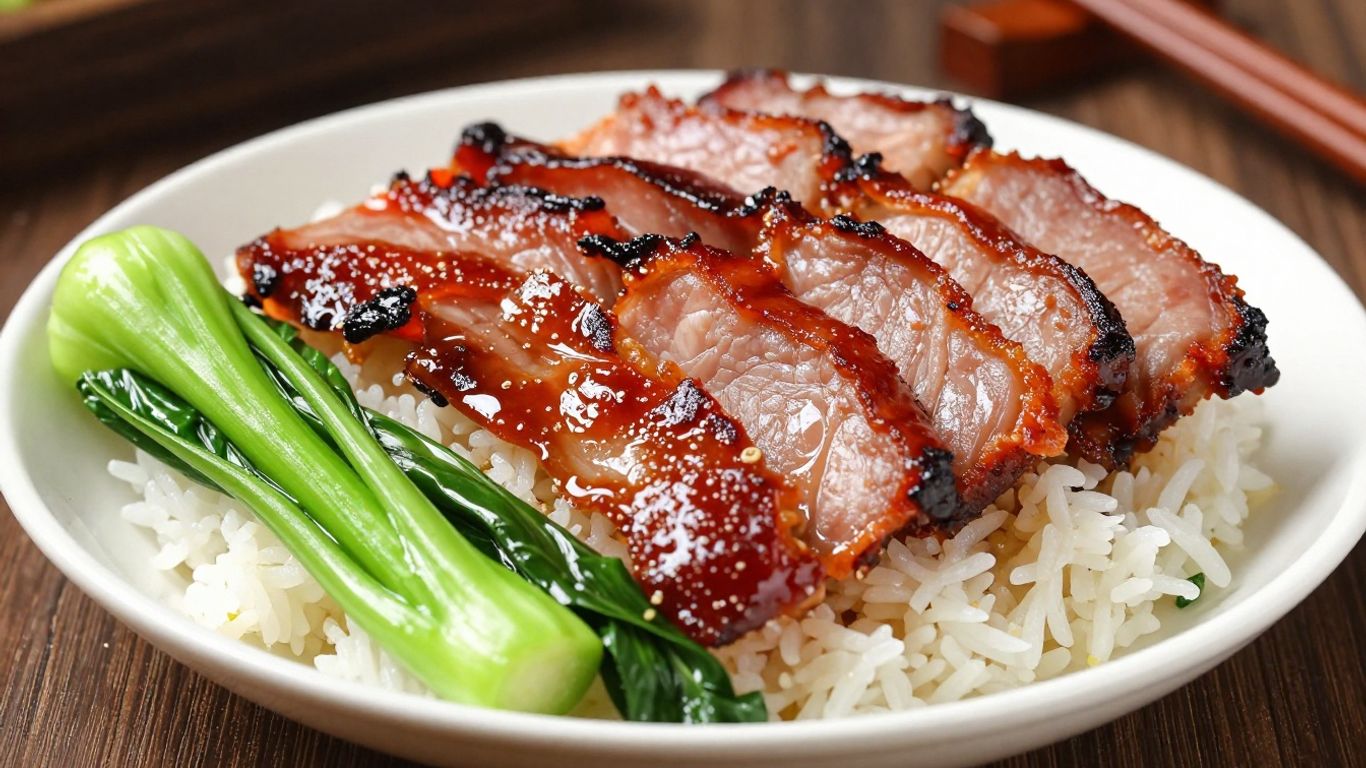
Char siu is also a helpful introduction to Cantonese cooking because its flavor is rounded rather than aggressively spicy. In Guangzhou, we can pair it with dim sum or other roast meats and notice how different preparations share a focus on texture. A guide to Guangzhou Cantonese food can help us build that kind of meal locally.
Congee is rice cooked with plenty of water or stock until the grains break down into a smooth, comforting porridge. It can be served plain or topped with pork, fish, preserved egg, peanuts, scallions, or fried dough. The flavor is often gentle, but the toppings give each bowl its identity.
We may encounter congee at breakfast, during a quiet late meal, or alongside a larger Cantonese spread. It is especially useful after a long travel day when we want something warm without a heavy sauce. Texture ranges from loose and pourable to thick enough for a spoonful to stand up.
For more breakfast context, we can explore this guide to Chinese morning foods, which places congee beside other regional starts to the day. Youtiao, a crisp fried dough stick, is a classic companion in some places. We can tear it into the bowl or eat it separately with soy milk or tea.
Wonton soup pairs delicate wrappers and seasoned fillings with a clear, fragrant broth. Pork and shrimp are common, though the exact filling and wrapper size can vary widely. The result is lighter than many stir-fries, making it a useful counterpoint when a table already has several rich dishes.
Cantonese wontons are often served with egg noodles, greens, or a few scallions. The broth should taste clean and savory, not merely salty, and the wontons should remain tender without falling apart. We can take a moment to taste the soup before adding chili or vinegar.
A bowl can be a full meal in a busy neighborhood noodle shop or a small part of a larger dinner. We might add roast pork, blanched greens, or a side of noodles if we are hungry after walking. The simplicity gives us a clear sense of the restaurant’s broth and seasoning.
Chinese beef noodle soup comes in many regional forms, but the shared idea is comforting: tender beef, noodles, broth, and aromatic garnishes in one bowl. The broth may be clear and fragrant or dark, spicy, and slowly simmered. Noodle thickness also changes the eating experience, from fine strands to broad, hand-pulled ribbons.
Lanzhou beef noodle soup is associated with clear broth, sliced beef, radish, chili oil, and hand-pulled noodles. Other regional versions use soy, braising spices, or a richer beef stock. We can watch how the noodles are prepared when the restaurant makes them to order; their chew is part of the dish’s appeal.
This is one of the easiest meals for us to enjoy alone while traveling. We can specify the spice level, choose extra cilantro or scallions, and add chili gradually. Since bowls differ so much by region, the name is best treated as an invitation to compare rather than a fixed formula.
Dan dan noodles are associated with Sichuan cooking and usually combine noodles with a savory minced topping, chili oil, preserved vegetables, and sesame or peanut notes. The sauce can be fragrant, spicy, salty, and slightly sweet all at once. It often arrives in a modest bowl that tastes far more layered than its size suggests.
The noodles may be mixed at the table so that the sauce rises from the bottom. We should stir thoroughly, then take a small bite before deciding whether more chili is needed. The numbing sensation from Sichuan peppercorns, when present, builds gradually rather than arriving as a single sharp heat.
Dan dan noodles make a satisfying quick lunch, especially when paired with cooling greens or a simple tea. They are not usually the best choice for someone wanting a mild, broth-heavy noodle soup. For us, the dish is most enjoyable when we accept its intensity in small, balanced bites.
Scallion pancakes are savory, flaky flatbreads made by layering dough with oil and chopped scallions before pan-frying. Their surface becomes crisp while the interior stays chewy and layered. They are often eaten as a snack, breakfast item, or side rather than as the centerpiece of a formal banquet.
The pancake may be cut into wedges or served whole for sharing. Some versions are plain and deeply savory, while others come with egg, chili sauce, or a sweet-savory dip. We can eat one fresh from the pan when the layers are still audibly crisp.
They fit naturally into a day of exploring markets and neighborhood streets. For travelers trying to decide what to order, a practical Chinese food delivery guide can also explain how menus, fees, and regional styles differ when we are eating away from a restaurant. Either way, scallion pancakes reward patience: the best texture disappears quickly once they cool.
These fifteen dishes give us a broad first taste, from everyday rice and noodles to elaborate duck and communal hot pot. We can start with what feels familiar, then follow regional ingredients, textures, and cooking methods toward something new. The most rewarding Chinese food experiences usually come from staying curious, sharing several dishes, and leaving room for the next neighborhood discovery.
Fried rice, chow mein, dumplings, spring rolls, wonton soup, and sweet and sour pork are approachable starting points. We can add one more regional dish, such as mapo tofu or beef noodle soup, to broaden the meal.
No. Climate, local ingredients, history, and regional traditions create major differences between places such as Sichuan, Guangdong, Beijing, and Gansu. Even familiar dishes can change considerably from one city to another.
Mapo tofu, dan dan noodles, kung pao chicken, and many hot pot broths may contain chili or Sichuan peppercorns. We can ask for less spice, but the kitchen may still preserve some of the dish’s characteristic fragrance.
Hot pot, Peking duck, fried rice, chow mein, dumplings, and roast meats work especially well for groups. Sharing lets us compare several flavors without ordering a full portion of every dish.
Vegetable dumplings, scallion pancakes, vegetable fried rice, tofu dishes, and mushroom-based hot pot ingredients are useful options. We should still ask about broth, sauces, and hidden meat ingredients.
We can begin by ordering a few dishes for the table, avoid taking more than we can eat, and use serving utensils when provided. Asking for help with unfamiliar menu items is normal and often leads to a better meal.
We can choose one dish associated with the city we are visiting, one familiar favorite, and one item recommended by locals. Visiting markets, breakfast shops, and neighborhood restaurants gives us a broader view than relying only on formal dining rooms.