Physical Address
304 North Cardinal St.
Dorchester Center, MA 02124
Physical Address
304 North Cardinal St.
Dorchester Center, MA 02124
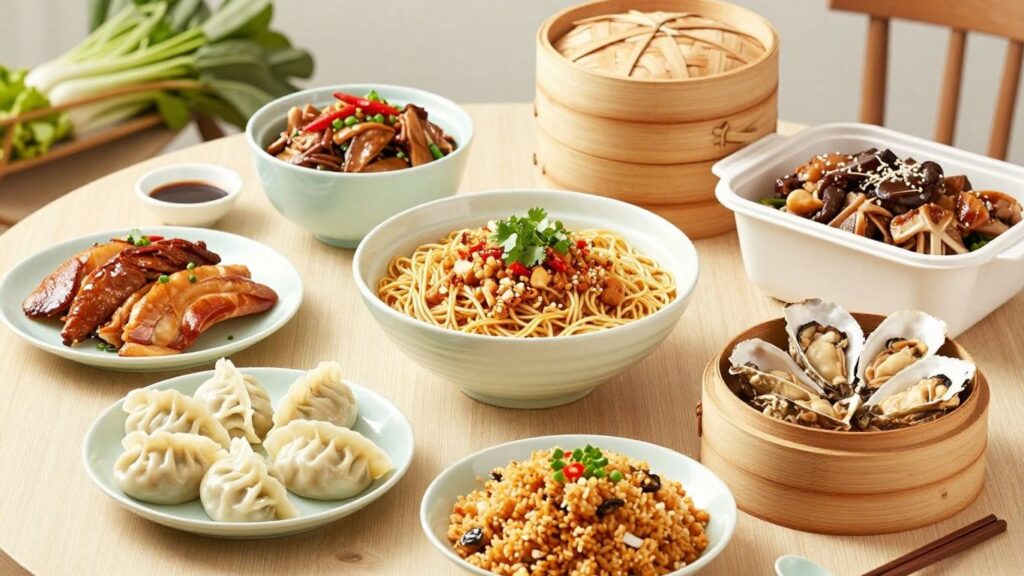
We can learn a great deal from pictures of Chinese foods when we pay attention to cooking methods, regional cues, ingredients, and serving style.
When we study pictures of Chinese foods, the first clues usually come from texture, shape, color, and the vessel holding the meal. A glossy surface may suggest a stir-fry or braise, while a clear broth points us toward a soup or hot pot. We should also remember that one dish can look quite different in a home kitchen, a neighborhood restaurant, or a takeout box.
Look for the visual evidence left by heat and time. Stir-fried dishes tend to have distinct pieces with a light sheen, while braised foods appear darker, softer, and coated in a concentrated sauce. Steamed dishes often retain clean shapes and gentle colors, and roasted meats show browned edges or crisp skin.
A useful habit is to ask what the surface is doing. A dry, blistered edge may indicate searing; pooled sauce can suggest braising; wisps of steam and tender, pale ingredients often point to steaming. These details give us a more reliable starting point than color alone.
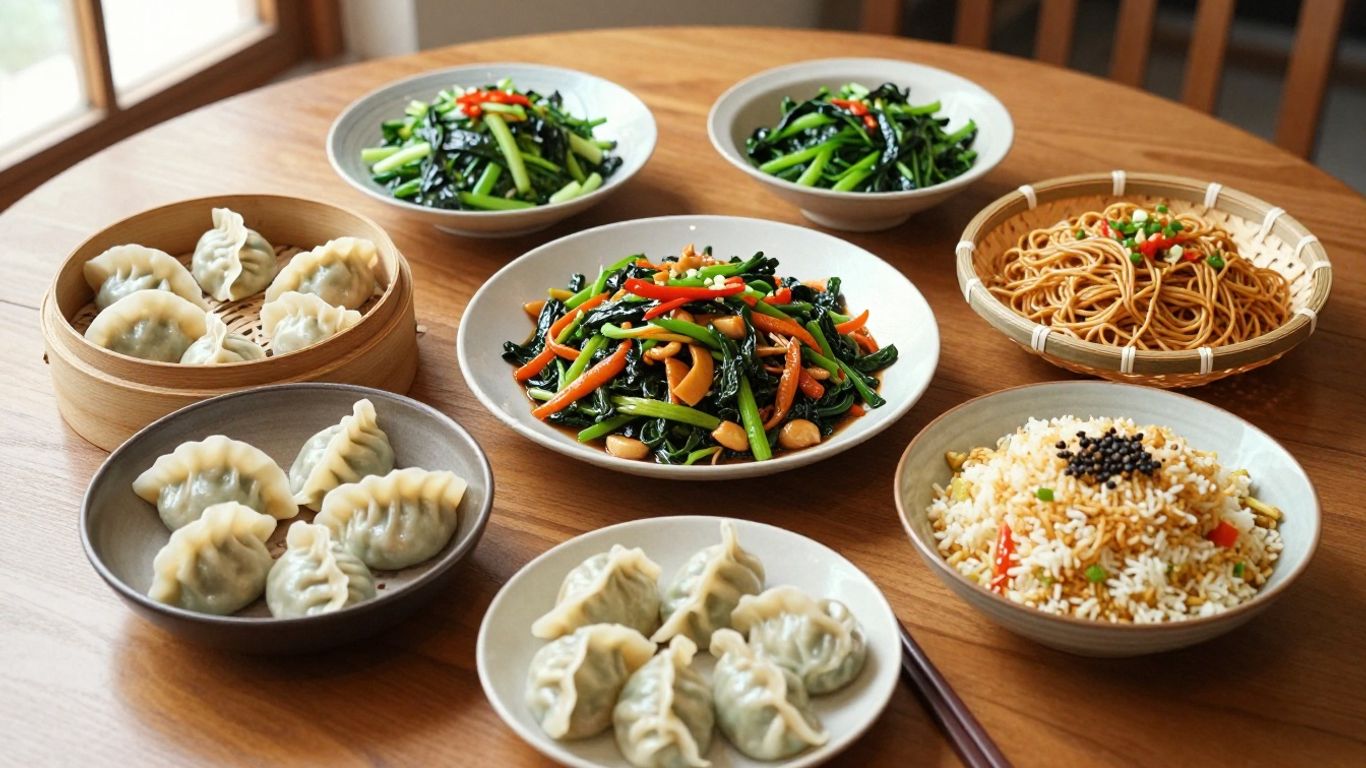
Noodles may be thin and springy, broad and ribbon-like, glassy, or irregularly hand-pulled. Rice dishes usually form a loose mound or a scattered stir-fry, with grains visible between egg, vegetables, meat, or seafood. Dumplings and bao have a more compact silhouette, though pleats, folds, and buns can vary widely.
The filling is another helpful clue. Translucent wrappers may reveal shrimp or vegetables, while thicker wheat wrappers tend to hold meatier fillings. We can compare several examples in a Chinese breakfast guide, where dumplings, buns, soy milk, and other morning foods appear in very different forms.
Sauce can change the entire reading of a photograph. A deep red coating may come from dried chilies or chili oil, a dark glaze may reflect soy-based seasoning, and a pale, glossy sauce may accompany seafood or steamed vegetables. Garnishes such as scallions, cilantro, toasted sesame, peanuts, fried garlic, and sliced chilies are not merely decorative; they add clues about flavor and texture.
We can also look for contrast: crisp peanuts against tender chicken, slippery noodles beside crunchy greens, or fluffy rice under a savory topping. Texture is a visual clue that helps us distinguish dishes that share similar ingredients.
A dish served in a small bamboo basket may belong to a dim sum setting, while a clay pot suggests a meal designed to stay hot at the table. Large platters invite sharing, and individual bowls often hold noodles, congee, or soup. The number of bowls, small plates, and dipping dishes can tell us whether the meal is meant for one person or a group.
We should avoid treating tableware as a strict rule. Restaurants may use modern ceramic plates, metal steamers, or disposable containers for practical reasons. Still, the setting gives valuable context when an image does not include a menu.
The most familiar dishes in food photography range from delicate filled pastries to broad, sizzling platters meant for sharing. We might see one famous dish associated with a city, or a restaurant-style version that has traveled far from its original setting. A popular Chinese dishes guide can help us connect recognizable images with names, ingredients, and regional traditions.
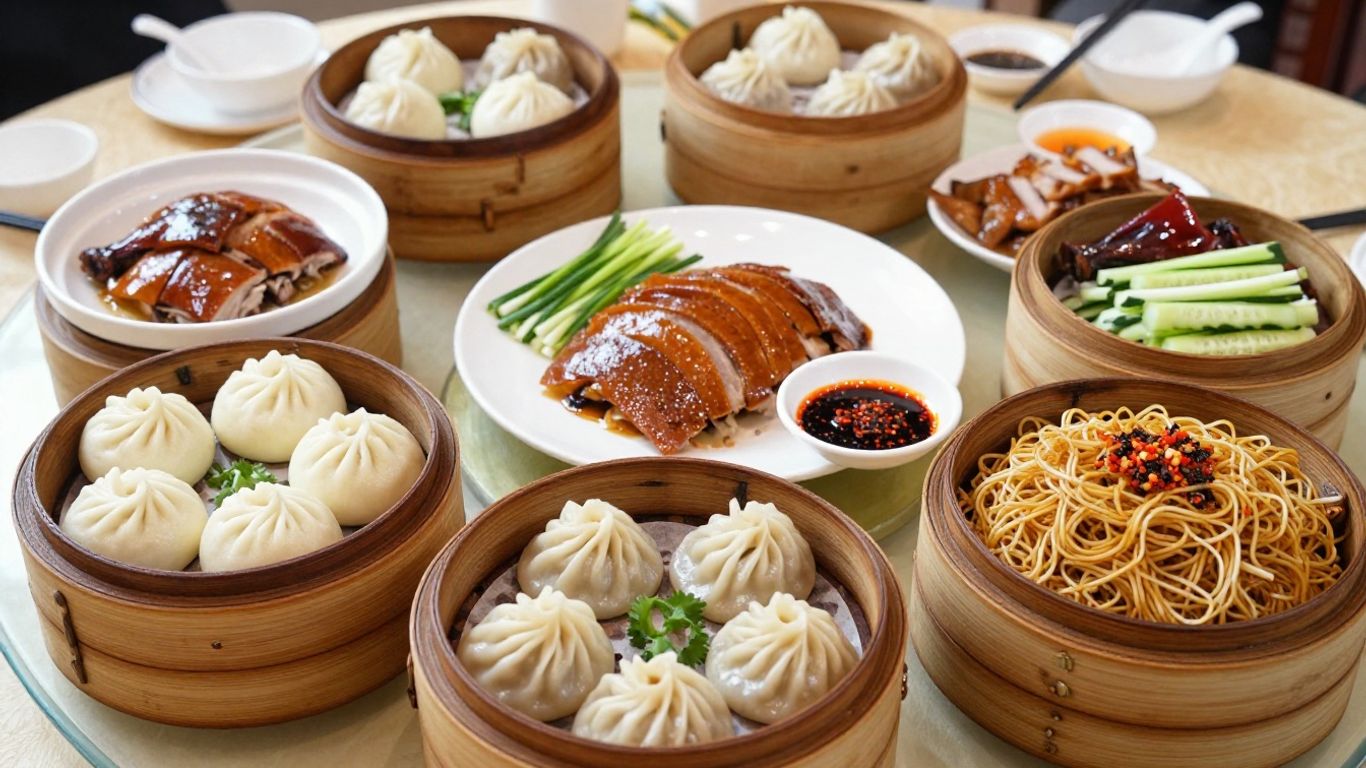
Dumplings may be boiled, steamed, pan-fried, or served in soup, so their bottoms and wrappers are worth examining. Pot stickers often have a browned, lacy base, steamed dumplings keep a softer finish, and soup dumplings are usually presented in baskets to protect their delicate skins. Bao are often plumper, with a smooth, pillowy exterior.
Other filled specialties include flaky pastries, rice noodle rolls, and savory pancakes. Their shapes can be more useful than their color: folded crescents, sealed pouches, coils, and open-topped parcels each suggest a different preparation.
Fried rice photographs often show separate grains mixed with egg, vegetables, scallions, and a protein. Noodles may gather into glossy strands with browned edges where they met the wok. The ingredients are often cut into pieces small enough to pick up together, giving the plate a lively but readable pattern.
For a closer comparison, we can explore Chinese fried rice styles, including differences in ingredients, moisture, and appearance. A photo cannot reveal wok temperature, of course, but it can show whether the dish looks dry and distinct or soft and heavily sauced.
Braised pork, beef, chicken, and tofu generally appear in rich colors, with sauce clinging to rounded edges. Roasted meats offer different cues: crisp skin, a lacquered surface, and neatly sliced portions are common in photographs of roast duck or roast pork. The plate may include cucumber, herbs, pancakes, or a dipping sauce to balance the richness.
The cut matters too. Thin slices imply a shared platter or banquet-style service, while chunky pieces may belong to a homestyle braise. We can use the arrangement to distinguish a dish meant to be assembled at the table from one served as a complete bowl.
Soup photos are often about the surface: clear broth, floating herbs, chili oil, noodles, or pale dumplings. Hot pot images usually include a divided or wide central pot surrounded by raw ingredients, dipping sauces, chopsticks, and small plates. The ingredients may be arranged separately so diners can cook them at their own pace.
A beef hot pot in Shantou, for example, may look simple because thinly sliced meat and a clear broth take center stage. The local food guide offers useful context for seeing dishes as part of a place and a meal, rather than as isolated menu pictures.
China’s food traditions are too varied to read through one visual template. Climate, local crops, trade, history, and dining customs all shape what appears on the plate. When we compare regional images, we should look for patterns without assuming that every dish from a province follows the same formula.
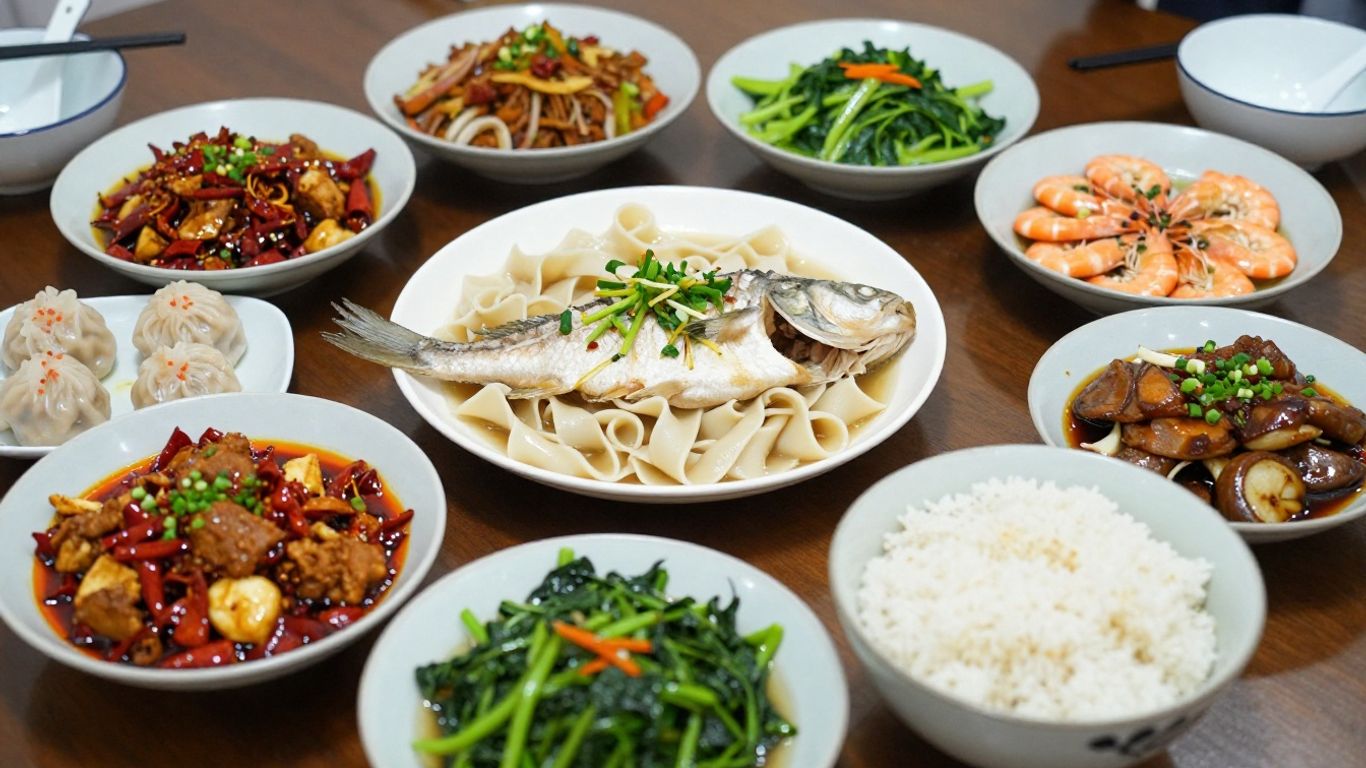
Sichuan dishes often photograph vividly because dried chilies, chili oil, scallions, and red pepper flakes create strong color contrasts. Mapo tofu may look soft and saucy, while kung pao chicken usually shows diced pieces, chilies, and peanuts. Peppercorns can be tiny but visually distinctive when scattered across a glossy sauce.
The presence of chili does not tell us everything about heat. Some dishes use chili for aroma and color, while others combine it with fermented bean paste or numbing Sichuan pepper. We can read the image as an invitation to investigate, not as a complete description of flavor.
Cantonese food photography often highlights freshness, clean cuts, gentle sauces, and careful arrangement. Steamed fish may appear whole with scallions and ginger, dim sum arrives in small baskets, and roast meats are sliced into neat, inviting pieces. Claypot rice and rice noodle rolls bring a more casual, comforting look.
For travelers, a Guangzhou Cantonese food guide gives a useful sense of how these dishes fit into local streets, restaurants, and morning meals. The image becomes easier to interpret when we know whether we are looking at dim sum, a market snack, or a shared dinner.
Northern cuisines frequently feature wheat-based foods, including hand-pulled noodles, filled buns, pancakes, dumplings, and wide noodles served with savory toppings. Photos may show thicker wrappers, browned dough, or generous bowls with a small number of bold ingredients. The food can look hearty without being heavily sauced.
Shape and flour texture are especially revealing here. A curled noodle, layered pancake, or pleated bun gives us more information than a generic label such as “noodle dish.” We can also look for dipping sauces, lamb, beef, leeks, and scallions around the main item.
Coastal and southern food images often feature shrimp, crab, fish, shellfish, rice noodles, leafy greens, and broths. The palette may be lighter, with natural ingredient colors showing through a modest amount of sauce. That does not mean the food lacks depth; aromatics, stock, fermented products, and careful heat can provide plenty of flavor.
A seafood dish may be steamed, wok-fried, braised, or served in a clay pot, so we should inspect the edges and sauce separately from the ingredient itself. This is also where local food streets can be especially instructive: a Guangzhou night market guide connects colorful street-food images with the setting in which people actually eat them.
Takeout photography has its own visual language: compartmented meals, glossy sauces, fried appetizers, rice, noodles, and containers arranged for convenience. These images are useful, but they do not always show the full range of Chinese cuisine. A collection of Chinese takeout images can help us recognize familiar formats while keeping their restaurant context in mind.
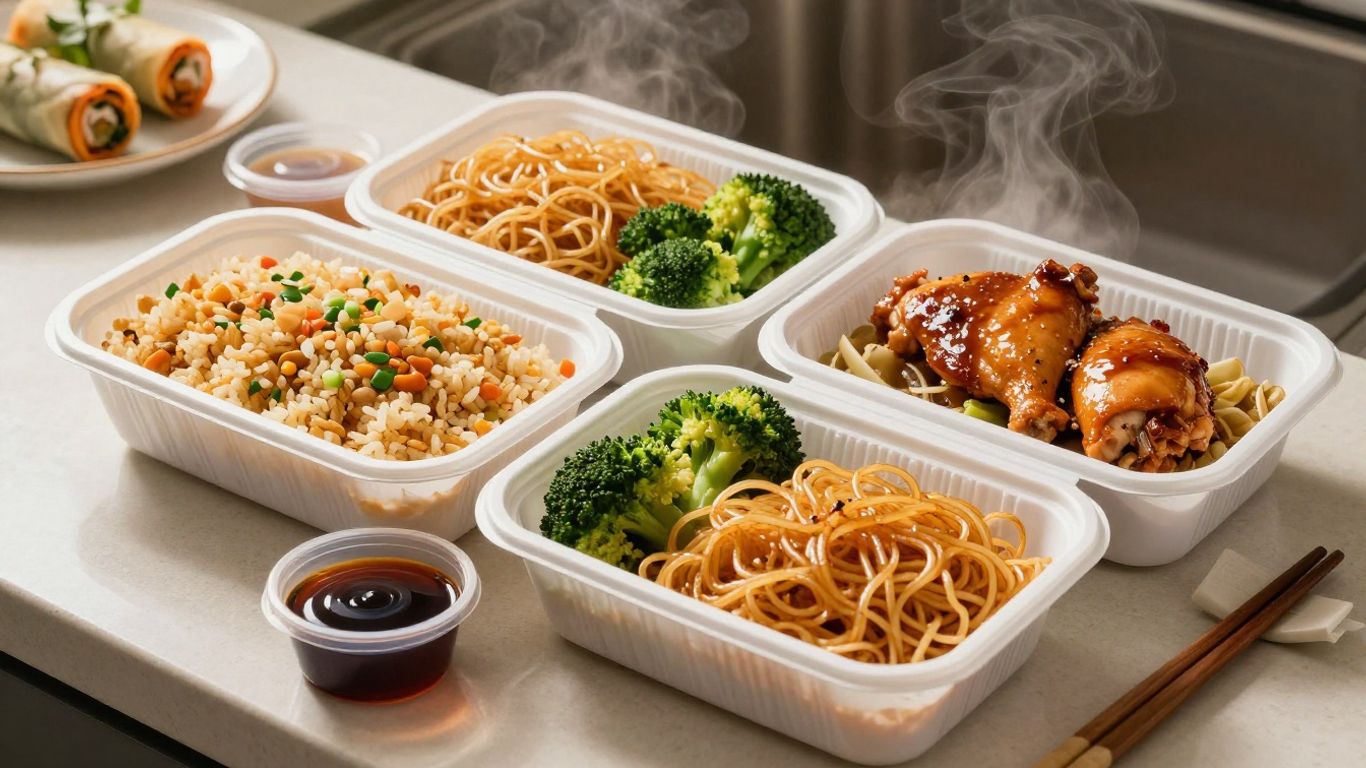
Dishes such as fried rice, chow mein, spring rolls, orange chicken, beef with broccoli, and sweet-and-sour preparations are common subjects in takeout photos. They often feature bite-sized pieces, thick glazes, bright vegetables, and a generous rice or noodle base. Their appearance may be instantly recognizable even when the dish name varies by restaurant.
We should describe these foods accurately rather than treating them as interchangeable with every regional Chinese dish. Restaurant menus adapt to local tastes, ingredients, and dining habits, and that history is part of the picture too.
A takeout version may use a sweeter sauce, larger battered pieces, or a different vegetable mix than a regional preparation in China. That does not make the image useless; it simply tells us what kind of food setting we are viewing. Comparing multiple photographs helps us separate a dish’s core idea from one restaurant’s styling.
For cooks, a Chinese recipe collection can offer a bridge between takeout favorites, home-style dishes, and more traditional preparations. We can then compare the finished plate with the source recipe instead of judging authenticity from appearance alone.
Combination plates usually make their structure obvious: one main item sits beside rice, noodles, an egg roll, dumplings, or a small portion of vegetables. Sauces may be packed separately, and fried foods can be placed in a compartment to preserve some crispness. The arrangement is practical rather than ceremonial.
When reading a menu photo, we can ask three simple questions:
That quick scan prevents us from mistaking a side dish for the centerpiece. It also helps when we are comparing restaurant portions or planning an order for a group.
Paper cartons, plastic trays, foil pans, and round soup containers each suggest a different service format. Steam collecting under a lid may soften fried food, while a sealed soup container protects broth during transport. Photos taken immediately after opening often show more detail than images of a closed package.
If we use takeout photos for planning, we should look beyond presentation. Portion size, separation of sauces, visible vegetables, and the condition of fried items can tell us whether the meal will travel well. For delivery choices, a guide to Chinese food delivery options can add practical questions about menus, dietary needs, fees, and recent reviews.
Ingredients give food images their rhythm: green vegetables, pale noodles, dark sauces, red chilies, golden fried edges, and fresh herbs. We can often identify a dish by noticing what appears repeatedly around the main ingredient. The most useful approach is to study combinations rather than isolated colors.
Bok choy, Chinese broccoli, cabbage, snow peas, bean sprouts, carrots, and scallions are frequent visual markers. Shiitake and other mushrooms add rounded caps and deep brown tones, while ginger, garlic, and scallions often appear sliced, minced, or scattered over the top. Their placement can indicate whether they were cooked into the dish or added at the finish.
A close image may reveal water chestnuts, bamboo shoots, lotus root, or wood ear mushrooms through their distinctive shapes and textures. These ingredients help us distinguish a crisp stir-fry from a soft braise even when both use a similar sauce.
Rice can be steamed, fried, sticky, or formed into cakes and rolls. Wheat appears in dumpling skins, buns, pancakes, hand-pulled noodles, and crispy wrappers. Glass noodles have a translucent quality, rice noodles tend to look smooth and pale, and wheat noodles often show more opacity and elasticity.
We can compare strand width, gloss, and how the noodles hold sauce. A broad noodle with chili oil reads differently from fine noodles in a clear soup, even before we know the regional name.
Dark brown sauces, red oils, black beans, fermented bean pastes, and pickled chilies create many of the strongest colors in Chinese food photography. Soy sauce may tint a dish evenly, while fermented sauces can gather in thicker patches around meat, tofu, or vegetables. Chili products range from whole dried peppers to fine flakes and smooth oils.
The amount of sauce is a useful clue, but not a final answer. Some dishes are intentionally dry-looking, allowing wok-charred edges and aromatic oils to remain visible; others are meant to be spooned over rice.
Cilantro, scallions, sesame seeds, peanuts, fried shallots, and sliced chilies often finish a dish with contrasting color and crunch. Seafood adds further variety, from translucent shrimp to shell-on crab and whole steamed fish. The arrangement may show whether the ingredient is the focus or one element in a larger shared plate.
For images used in travel publishing, visual accuracy matters. Chinese food stock photos can provide a broad reference for dishes and ingredients, but we should still check captions, regional names, and usage terms before presenting an image as a specific local specialty.
Pictures can make an unfamiliar menu less intimidating, especially when we are planning a first meal in a new city. They work best alongside dish names, ingredient notes, location, and preparation details. We can use them to form questions, not to replace local knowledge or a restaurant’s own description.
Start with two or three visual preferences: a noodle bowl, a steamed dish, a spicy stir-fry, or a shared seafood plate. Then compare photos with the menu and ask about ingredients, portion size, spice, and whether the dish is served individually or communally. This approach keeps the choice manageable without reducing a regional cuisine to a short list of “safe” foods.
Sharry’s China Travel Guide is useful for connecting dishes with cities and local eating experiences, which is often more helpful than memorizing dish names in isolation. We can save the Chinese characters or a photo on our phone for easier ordering.
When selecting a recipe, match the visual quality we want with ingredients we can actually find. A glossy braise requires different timing from a quick stir-fry, and a dumpling recipe may depend more on wrapper texture and folding than on the filling alone. Photos help us set expectations for color and consistency.
For a balanced meal, we might choose:
This sequence gives us variety without making every plate rich or heavily seasoned. We can adjust the number of dishes to the group and use photographs as a guide to portion and presentation.
A thoughtful collection might follow a city, a meal, a cooking method, or a single ingredient. We could photograph breakfast foods in Guangzhou, noodle dishes in northern cities, market snacks, or the changing appearance of tofu across different regions. Captions should record where, when, and how the food was served.
The local Cantonese food guide can inspire a city-focused collection that includes streets, restaurants, and dishes rather than isolated close-ups. A consistent angle or natural-light approach can make the collection feel coherent while leaving room for everyday scenes.
Before publishing a food photograph, we should confirm permission, licensing, attribution requirements, and whether the image accurately matches the caption. Avoid presenting a stock image as our own meal or labeling a generalized takeout dish as a specific regional specialty without evidence. Good image practice protects both creators and readers.
We can also review photo usage policies before downloading or republishing images, especially when a project includes commercial pages, menus, or social posts. If we generate an image, we should label it appropriately rather than implying that it documents a real restaurant or dish.
Pictures of Chinese foods become much more useful when we read them as visual evidence of ingredients, technique, place, and social setting. By noticing wrappers, sauces, noodles, vessels, and regional patterns, we can choose meals with more confidence and approach China’s food traditions with curiosity rather than assumptions.
Dumplings, bao, fried rice, chow mein, roast duck, hot pot, and spring rolls often have distinctive shapes or serving formats. Their appearance becomes easier to identify when we also consider sauce, garnish, and tableware.
Wheat noodles are usually more opaque and elastic, while rice noodles often look smoother, paler, and more translucent. Thickness and shape vary, so a menu caption or ingredient list is the best confirmation.
Recipes change between regions, families, restaurants, and countries. Ingredients, cooking equipment, portion size, sauce preferences, and plating choices can all alter the final appearance.
Dried chilies, red chili oil, Sichuan peppercorns, scallions, and glossy sauces are common clues. They are not definitive on their own, since chili products and peppercorns also appear in other regional cuisines.
Look for a central pot, broth, separate raw ingredients, dipping sauces, and small plates. The arrangement usually indicates a communal meal in which diners cook ingredients at the table.
Not reliably. Red chilies and chili oil suggest possible heat, but the quantity, type of chili, and balance of other seasonings are difficult to judge from an image alone.
Keep the caption specific only when the source is reliable. Record the restaurant, city, dish name, and preparation when possible, and distinguish traditional regional food from localized takeout or an inspired recipe.