Physical Address
304 North Cardinal St.
Dorchester Center, MA 02124
Physical Address
304 North Cardinal St.
Dorchester Center, MA 02124
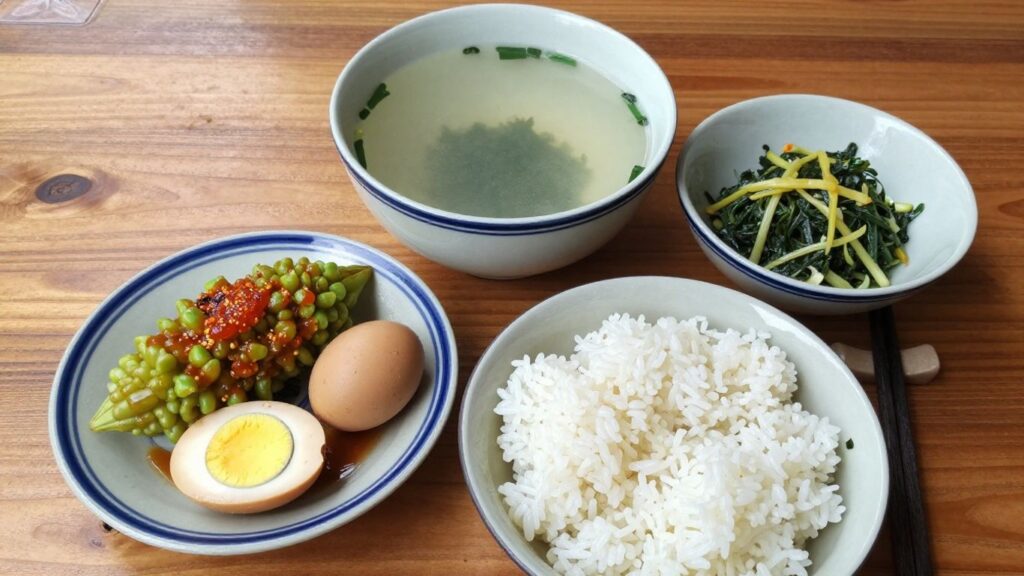
Bitter Chinese foods range from crisp vegetables to slow-cooked soups and herbal teas. We can approach them gradually, using texture, seasoning, and regional context to make the flavor feel balanced rather than harsh.
Bitterness is one of the five traditional flavor categories used to describe Chinese food, but it rarely appears alone. In a home kitchen or restaurant, bitter ingredients are usually paired with oil, salt, aromatics, meat, eggs, or a clear broth. That layering gives the flavor somewhere to go. For travelers, tasting bitter dishes can be a useful way to notice how strongly Chinese cooking varies from one region to another.
Chinese culinary language often discusses sweet, sour, salty, spicy, and bitter flavors as parts of a larger balance. Bitter foods may be refreshing and clean-tasting, especially when served with rich or oily dishes. We do not need to enjoy every bitter ingredient immediately; the point is to notice whether its flavor is grassy, roasted, medicinal, citrus-like, or pleasantly sharp. A small serving alongside rice is often an easier introduction than a large bowl of plain greens.
Climate, local crops, preservation methods, and cooking traditions all shape how bitterness is used. Southern cuisines commonly feature bitter melon, herbal soups, and leafy vegetables, while other regions may use greens more often in stir-fries, dumpling fillings, or pickled preparations. Restaurant menus can also change the experience by adding chili, fermented bean products, sesame oil, or a sweet glaze. A Chinese food guide can help us place unfamiliar dishes within the wider regional picture when we are planning a trip.
A naturally bitter vegetable should still taste fresh. Bitter melon can have a firm, juicy bite, and mustard greens can taste peppery or pleasantly pungent. Overcooking, scorching garlic, or leaving vegetables in an overly salty broth can create a dull, acrid flavor that overwhelms the ingredient. Good bitterness has a clean finish; unpleasant bitterness tends to linger with a burnt or metallic edge.
Texture changes our perception of flavor. Thin slices of bitter melon cook quickly and retain some snap, while stuffed pieces become softer and more savory. Garlic, ginger, scallions, toasted sesame oil, and chili contribute aroma that makes the bitterness feel less isolated. Chilled bitter melon can taste crisp and bright, whereas a warm soup rounds the flavor into something gentler.
The phrase bitter Chinese foods covers a surprisingly broad group of ingredients. Some are familiar vegetables, while others appear mainly in soups, teas, or seasonal home cooking. We can start with the most approachable options and work toward stronger herbal flavors. The image below captures the range of colors and textures found in a market display.
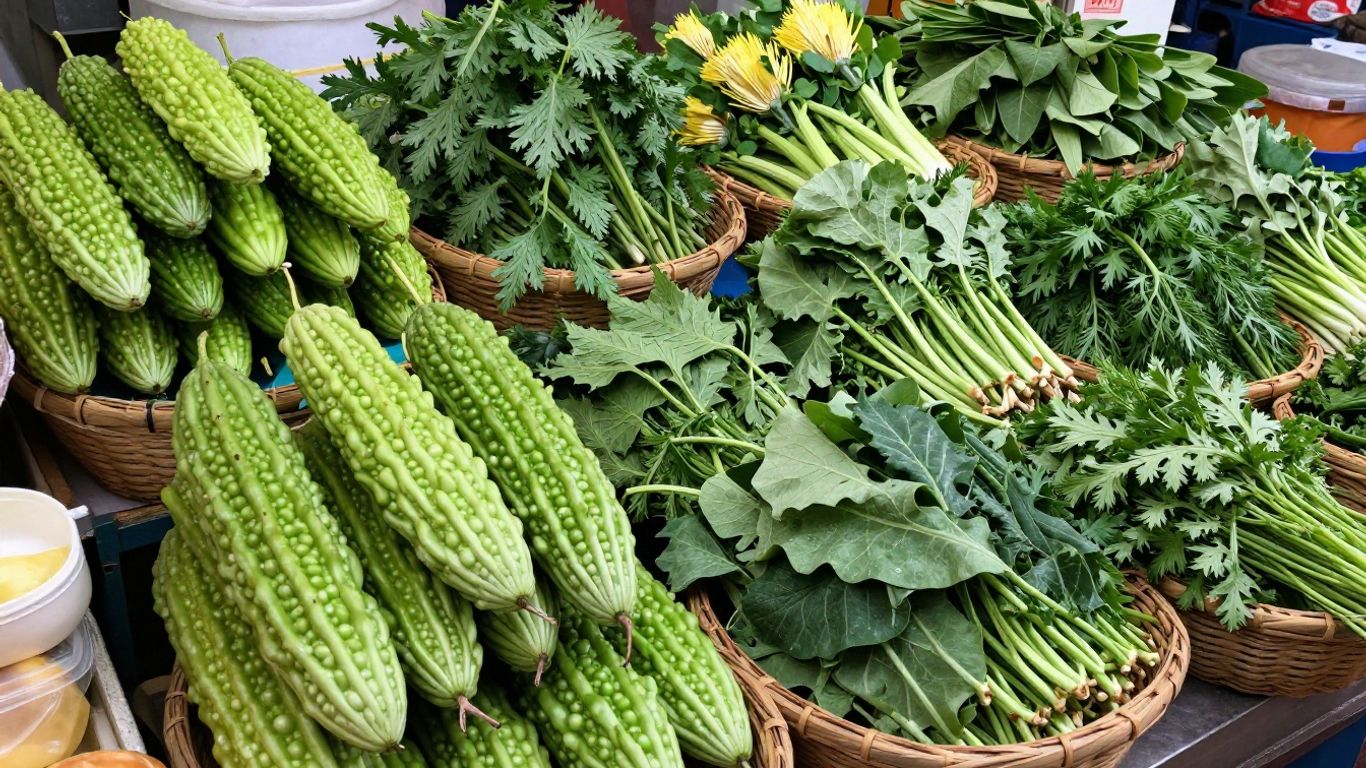
Bitter melon, also called bitter gourd or ku gua, is the ingredient most people associate with Chinese bitterness. Green varieties tend to have a crisp, assertive flavor, while paler or smoother varieties may taste somewhat milder. The ridged surface holds sauces well, and the hollow center makes it suitable for stuffing. In some southern communities, it is also called liang gua, or “cool gourd,” in traditional food language.
Mustard greens bring a mustardy bitterness rather than the concentrated bitterness of bitter melon. They may be salted, blanched, stir-fried, or added to soups, and mature leaves are often more forceful than young ones. Chrysanthemum greens, known as tong hao, have a softer leafy texture and a distinct herbal aroma. A quick cook preserves their fragrance and keeps them from becoming muddy.
Lotus leaves are often used to wrap or perfume food, contributing a subtle earthy note rather than dominating a dish. Dandelion greens and similar wild or cultivated leaves can be more pronounced, especially when eaten plain. Cooks may combine them with garlic, fermented bean curd, sesame paste, or a little sugar. These pairings do not erase the greens’ character; they make the bitterness part of a fuller bite.
Some bitter ingredients are valued more for their aroma and traditional associations than for their role as everyday vegetables. Dried herbs may be simmered with pork, chicken, or other soup ingredients, while leaves and roots can appear in regional teas. Their flavors range from grassy to woody and medicinal. We should ask what an unfamiliar herb is and how it is normally prepared before treating it like a salad green.
Chinese markets change with the seasons, so bitterness may arrive through young shoots, flowering greens, radish leaves, or local wild vegetables. Freshness matters: a tender seasonal green can taste lively, while an old or poorly stored one may taste harsh. Visitors who explore a neighborhood market with a local cook or guide will often encounter vegetables that do not appear on standard restaurant menus. This is one reason China food travel is more rewarding when we leave room for regional meals rather than planning every dish in advance.
Bitter ingredients become easier to understand when we see them in complete dishes. The same vegetable can taste completely different when stir-fried with egg, simmered with pork, or chilled with vinegar. Southern Chinese cooking offers many classic examples, but home cooks across the country adapt these ideas to what is available. The following image shows the sort of shared-table meal in which a bitter vegetable works as a counterpoint to richer plates.
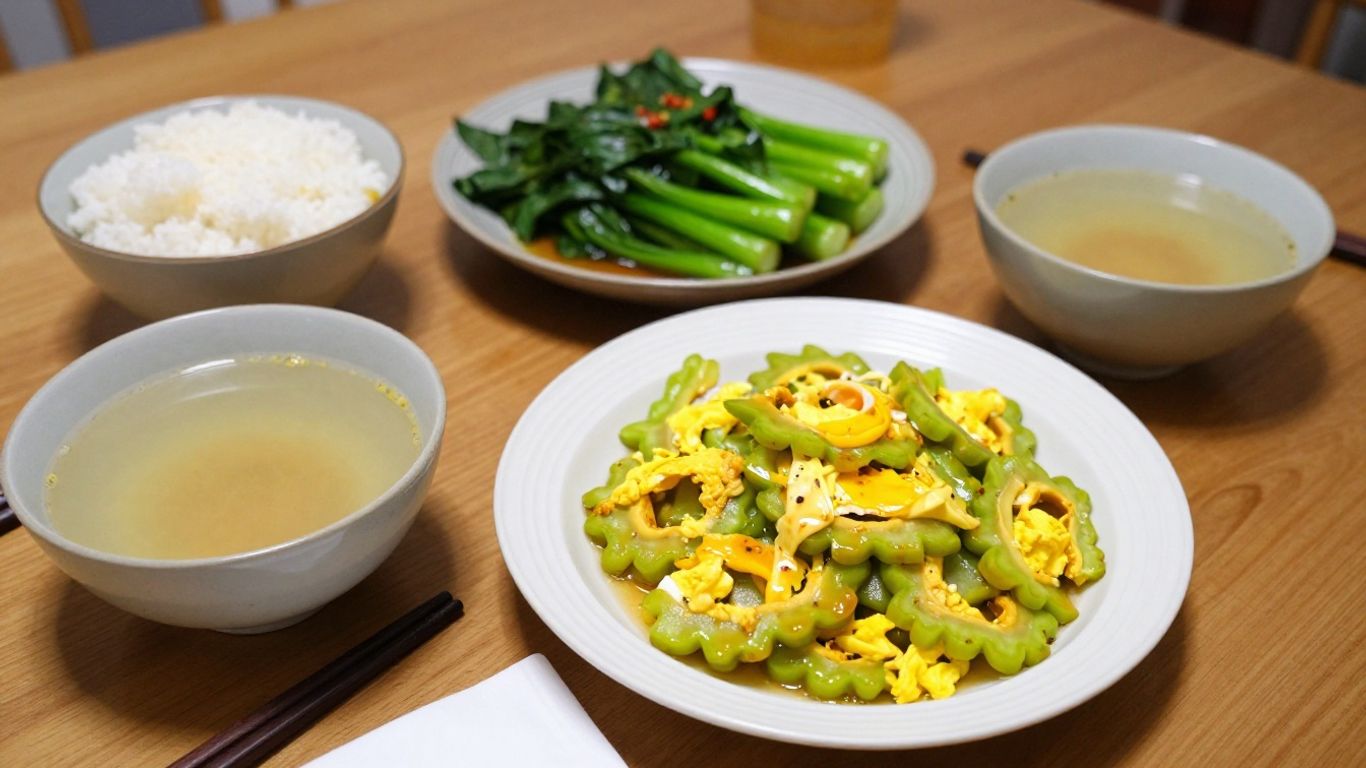
This is one of the most approachable bitter melon dishes because soft scrambled egg cushions the vegetable’s sharpness. Thin slices are cooked quickly with oil, scallion, and sometimes a little white pepper or soy sauce. The best versions keep the melon green and lightly crisp rather than limp. We can order it as a side dish with rice, especially when the rest of the meal includes braised or fried foods.
Stuffed bitter melon, often associated with Hakka cooking, fills the vegetable’s hollow center with seasoned pork, fish, shrimp, or a mixture of aromatics. The pieces may be steamed, braised, or cooked in broth until tender. The filling gives each bite saltiness and protein, while the melon contributes a clean, lingering bitterness. Readers interested in the Hakka background can explore stuffed bitter melon traditions before trying the dish.
Cantonese cooks often use bitter melon in soups with pork ribs, pork bones, dried seafood, beans, or salted ingredients. Long simmering softens the vegetable and spreads its flavor through the broth. The result is usually less concentrated than a stir-fry, although the bitterness remains noticeable. These soups are served in small bowls as part of a larger meal, not necessarily as a standalone course.
Thinly sliced bitter melon can be blanched, chilled, and dressed with vinegar, sesame oil, garlic, chili, or soy sauce. Cooling makes the texture especially refreshing, and the dressing adds acidity and aroma. Similar treatment works with blanched mustard greens and other leafy vegetables. We may find these dishes at home-style restaurants, banquet tables, or summer meals where a crisp side is welcome.
A simple plate of greens can be more complex than it looks. Garlic brings warmth, soy sauce adds savory depth, and fermented bean curd contributes salt and a creamy funk. The greens are often cooked quickly so their color and structure remain clear. For broader meal ideas, a guide to Chinese fried rice styles shows how plain rice dishes can provide a useful, neutral partner for strongly flavored vegetables.
Chinese cooking does not always aim to remove bitterness completely. More often, cooks adjust its intensity so the ingredient remains recognizable but does not dominate the meal. Preparation begins before the wok is hot: cutting, salting, soaking, and blanching all matter. Once we understand these steps, a bitter vegetable becomes much less intimidating.
For bitter melon, cooks commonly split the fruit, remove the seeds and pale inner pith, slice it, and rub it with salt. After a short rest, the slices are rinsed and squeezed gently before cooking. This can reduce some of the sharpness, though it will not make the melon taste sweet. Very thin slices also cook quickly and distribute the flavor more evenly.
Blanching briefly in boiling water can soften tough leaves and tame strong flavors. The greens are then drained well so they do not steam in the wok. A hot pan, a small amount of oil, and a short cooking time preserve color and aroma. We can use this method for mustard greens, chrysanthemum greens, and some wild leafy vegetables, adjusting the time according to their thickness.
Balance does not require one fixed recipe. Cooks may use a little sugar with soy sauce, vinegar with garlic, chili with fermented bean curd, or pork with a clear broth. These contrasts give the palate several signals at once. A useful sequence for preparing bitter vegetables at home is:
This approach keeps the dish lively instead of burying it under sauce. It also helps us learn which kind of bitterness we actually enjoy.
Heavy sauces can cover a vegetable’s flavor but may leave the dish tasting sweet, salty, or oily. Light soy sauce, rice vinegar, sesame oil, stock, and fermented bean curd are often more useful because each adds a distinct layer. We can choose one or two rather than using everything at once. The goal is a clear relationship between vegetable and seasoning.
Scorching garlic, using old produce, overcrowding the wok, and cooking leafy vegetables for too long can all make bitterness seem worse. Bitter melon also becomes less pleasant when the inner pith and seeds are left in large amounts. Excessive salting may create a harsh flavor of its own. Good heat control and fresh ingredients usually matter as much as the recipe.
Regional cooking styles do not divide neatly into “bitter” and “not bitter.” Instead, each area has its own way of placing bitter ingredients within a meal. Cantonese cooks may favor broths and gentle seasoning, while Sichuan and Hunan cooks can surround the same vegetable with chili and aromatics. Teochew and other southern traditions often give herbs a distinct place. We can learn more by comparing preparations rather than ranking them.
Cantonese cooking is well known for clear soups, restrained seasoning, and attention to the natural taste of ingredients. Bitter melon may be paired with pork, beans, dried seafood, or salted products, while greens are quickly cooked with garlic or oyster sauce. These dishes are often shared alongside rice and several other plates. Visitors exploring Guangzhou can also browse this Guangzhou Cantonese food guide for context on the region’s wider dining culture.
In Sichuan cooking, chili, Sichuan pepper, garlic, fermented bean pastes, and pickled ingredients can turn bitter vegetables into a bolder dish. The pepper’s numbing quality changes how bitterness feels on the tongue, while chili adds heat and aroma. Bitter greens may be stir-fried or included in a larger spread of strongly seasoned foods. The balance is energetic rather than delicate.
Hunan cooking often uses fresh chilies, smoked ingredients, garlic, and pickled flavors. Bitter melon or greens may be cooked with pork, preserved vegetables, or eggs, creating a salty and fragrant result. Heat can make the bitterness feel sharper at first, but fat and savory ingredients soften the finish. We should expect direct flavors and order a mild dish alongside the more intense one.
Teochew and neighboring southern traditions make room for clear broths, seafood, delicate dipping sauces, and herbal ingredients. Some bitter herbs are added in small quantities, where their aroma gently changes the soup rather than defining it. The practice reflects a preference for freshness and clarity. In a local meal, the same herb may be familiar to residents but new to international visitors, so asking about it is part of the experience.
Northern home cooking is not usually defined by bitter melon, but bitter greens can still appear according to season and local availability. They may be mixed into fillings, served with noodles, cooked with garlic, or folded into pancakes and dumpling mixtures. Wheat-based foods and richer sauces provide a comfortable counterweight. This is a reminder that regional food traditions overlap more than restaurant categories suggest.
The easiest way to enjoy bitter ingredients is to treat them as part of a meal rather than a test of endurance. Fresh produce, a suitable cooking method, and a contrasting dish make a noticeable difference. When we eat out, portion size is useful information: a small shared plate may be designed to accompany several other flavors. If we are ordering for a group, one bitter dish is often enough to add variety.
Choose bitter melon that feels firm, with an intact surface and no soft, dark patches. The ridges should look fresh rather than dried out, and the fruit should not feel hollow or unusually light. For leafy greens, look for crisp stems, lively color, and leaves without excessive wilting or sliminess. Smaller bitter melons are not automatically mild, so preparation and variety still matter.
Plain rice is the simplest partner because it softens each bite. Noodles, tofu, egg, pork, chicken, and seafood offer other textures and savory notes. A meal can also include a mildly sweet vegetable or a clear soup to keep the palate from tiring. Travelers who are comparing unfamiliar menus may find a practical Chinese meal planning guide useful for thinking about vegetables, proteins, sauces, and portions together.
Stir-fried bitter melon works well as a shared side, while stuffed melon can feel substantial enough to anchor a meal with rice. Soups are usually served in bowls alongside several dishes, and blanched greens can open or close a meal with a clean flavor. We can also order a small plate first and add more only if the group likes it. This low-pressure approach makes experimentation easier.
A first taste does not need to be a plain mouthful of bitter melon. We can begin with egg, a stuffed preparation, or a lightly seasoned soup, then offer only a few bites. Children may respond better to crisp texture and familiar rice than to a large serving of soft greens. It helps to describe the flavor honestly without suggesting that they must like it.
Water, unsweetened tea, and light soups cleanse the palate without adding another strong flavor. A slightly sweet drink may soften the experience, but very sugary beverages can make the contrast feel dramatic. Avoid pairing several intensely bitter, spicy, or fermented dishes at once unless the group enjoys that style. For readers curious about broader drink pairings, the Bochord Beverage Menu offers an example of how a meal can be considered alongside teas, mocktails, and other beverages, though its menu is not specific to bitter Chinese dishes.
Bitter ingredients sit at the meeting point of food culture, traditional theory, and modern nutrition. TCM uses flavor and food nature as part of a larger framework, while contemporary nutrition looks at fiber, vitamins, minerals, and individual dietary needs. These are different ways of asking questions, and we should not treat one as proof of the other. A thoughtful article can respect traditional language without turning culinary ideas into medical promises.
In TCM theory, bitter is commonly associated with qualities such as clearing heat, drying dampness, or directing energy downward. The bitter flavor is also traditionally connected with the Heart system. These descriptions belong to a historical medical framework rather than modern nutrition labels. Readers can explore TCM bitter flavor theory for cultural background, while keeping therapeutic claims in their proper context.
Calling bitter melon a “cool” food in TCM does not mean it literally lowers body temperature in every situation. Likewise, a traditional use does not guarantee prevention or treatment of disease. We can appreciate why an ingredient became important in regional cooking while still asking whether a health claim has clinical support. Food is food first, and medical decisions deserve qualified advice.
Many bitter vegetables contribute fiber and a range of micronutrients, especially when eaten as part of a varied diet. Their value depends on the ingredient, serving size, cooking method, and the rest of the meal. Blanching or stir-frying can change texture and some nutrient levels, but it does not turn the dish into a supplement. The practical benefit is simple: adding more vegetables can make a meal more varied and satisfying.
People with allergies, digestive sensitivities, blood sugar concerns, or medication-related dietary restrictions may need individual guidance. Concentrated herbal products are not interchangeable with ordinary servings of cooked vegetables. Pregnant people and anyone managing a chronic condition should be especially cautious about medicinal preparations. We should also remember that “natural” does not automatically mean suitable for everyone.
A doctor, registered dietitian, or appropriately qualified practitioner can help interpret dietary questions in light of a person’s health history. This is particularly sensible when someone wants to use bitter herbs, teas, or extracts for a specific symptom. We can continue enjoying traditional dishes as culinary experiences without asking them to replace treatment. For a wider look at five-flavor ideas, this five-flavor food overview provides additional cultural context.
Bitter Chinese foods reward curiosity more than bravado. From egg-filled bitter melon and Cantonese soups to garlicky greens and seasonal herbs, the flavor becomes approachable when we pay attention to freshness, texture, preparation, and the rest of the meal. We can start with a small shared dish, ask local diners how they enjoy it, and let regional cooking teach us what bitterness can be.
Bitter melon, or bitter gourd, is probably the best-known example. It appears in stir-fries, stuffed dishes, soups, salads, and preserved preparations.
No. Variety, maturity, the amount of inner pith removed, slicing, salting, and cooking method all affect its intensity. Pairing it with egg or meat can also make it seem gentler.
Remove the seeds and inner pith, slice the melon, salt it briefly, rinse it, and cook it quickly. Egg, savory sauces, vinegar, chili, and a little sugar can balance the remaining flavor.
They can be, although their flavor is often described as mustardy, pungent, or peppery rather than simply bitter. Young leaves are usually more delicate than mature greens.
Rice, noodles, tofu, egg, meat, or a mild soup can provide useful contrast. A meal with several different textures and flavor strengths is usually easier to enjoy than one built around bitterness alone.
Some traditional systems associate bitter foods with particular qualities, but traditional descriptions are not guarantees of medical effects. Nutrition and treatment questions should be discussed with a qualified health professional.
They can be introduced in small portions and familiar preparations, such as bitter melon with egg or a mild soup. Children’s preferences vary, so there is no need to pressure them to finish a strongly flavored dish.