Physical Address
304 North Cardinal St.
Dorchester Center, MA 02124
Physical Address
304 North Cardinal St.
Dorchester Center, MA 02124
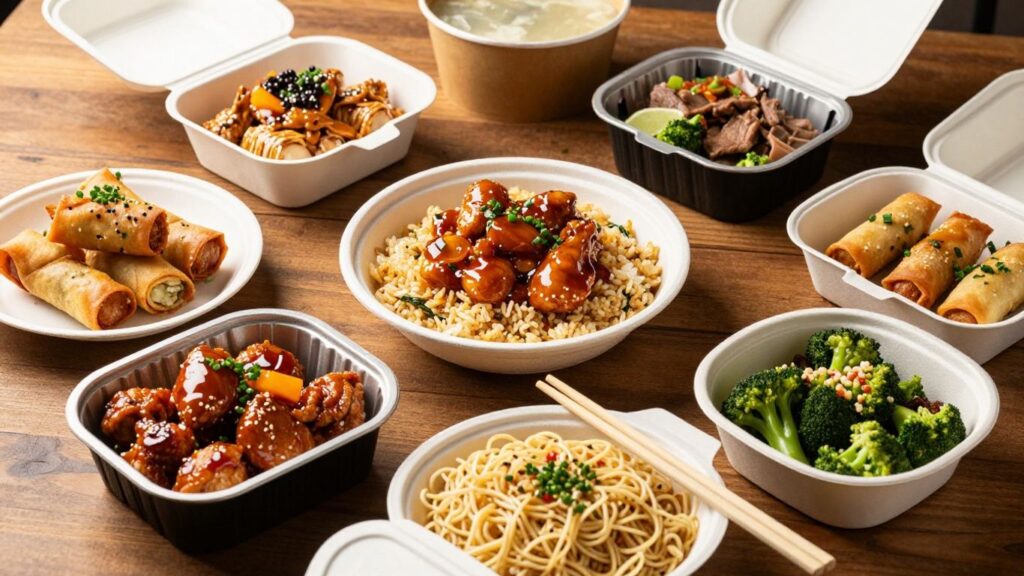
We can use this list of chinese take-out foods to match a meal to the mood, from sticky-sauced chicken to comforting soup and noodles.
General Tso’s chicken is the order we reach for when we want crisp pieces, a glossy sauce, and a little heat in one box. The sauce usually balances sweetness, soy-like savoriness, garlic, and dried chile warmth. It is bold rather than delicate, so it stands up well beside plain rice.
The best versions keep some texture under the sauce instead of turning immediately soft. We can ask for sauce on the side if the trip home is long, or request extra chiles when we prefer a sharper finish. A few steamed vegetables help cut through the richness without changing the character of the dish.
For travelers, this is also a useful introduction to American Chinese cuisine, a food tradition shaped by Chinese American cooks and adapted to local tastes. Our popular take-out dish guide is handy when we want to compare familiar menu staples before ordering. General Tso’s works especially well as a shared centerpiece rather than a solo plate.
Orange chicken brings a brighter, fruitier profile to the take-out table. Fried chicken pieces are coated in a sauce built around orange flavor, sweetness, aromatics, and a mild savory edge. We get the most from it when the citrus is noticeable without becoming candy-like.
It is a friendly choice for mixed groups because the flavor is familiar and the heat is usually restrained. Pairing it with steamed rice keeps the meal simple, while fried rice adds another layer of richness. We can also add a plain vegetable side if the sauce feels heavy.
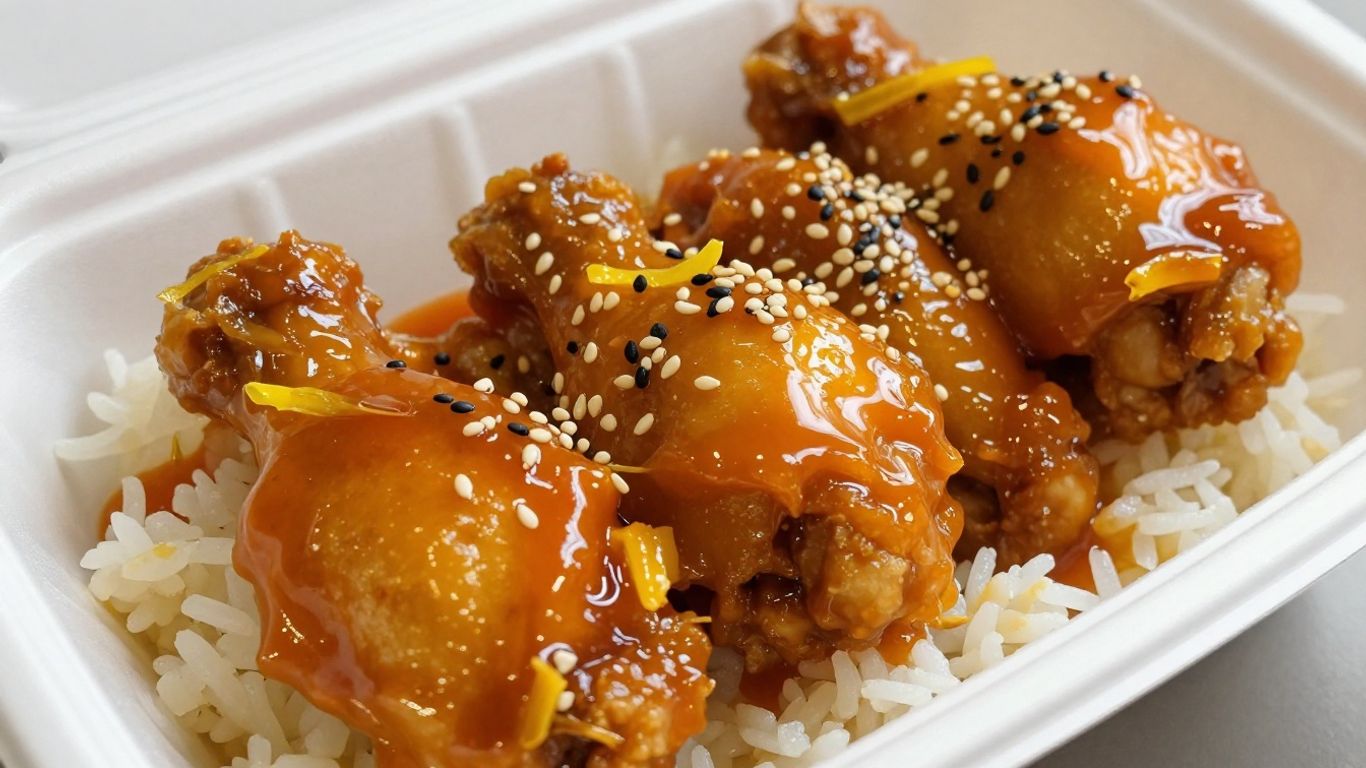
The image of bright sauce and crisp edges captures why this dish is so popular, but texture matters as much as color. Order it soon after pickup, and keep the lid slightly open for a moment if steam is making the coating soggy. That small detail can preserve a better bite.
Kung pao chicken gives us a livelier mix of tender chicken, dried chiles, peanuts, and vegetables. Its appeal comes from contrast: the chiles bring fragrance and heat, the peanuts add crunch, and the sauce ties everything together with savory-tangy depth. It feels more layered than a purely sweet entrée.
Heat levels vary widely, so we should ask how spicy the kitchen makes it before ordering. Peanuts are central to the familiar version, making this a dish to avoid or modify when allergies are involved. Cucumber, celery, or peppers may appear depending on the restaurant’s style.
When we are choosing among Chinese take-out foods, kung pao is a good answer to a craving for texture as well as spice. Rice softens the heat, while a mild soup creates a more rounded meal. We can also share it with a sweeter dish so the table does not become chile-heavy.
Sweet and sour chicken is built for a clear, immediate flavor: crisp chicken, a tangy sauce, and enough sweetness to make each bite feel bright. Pineapple, peppers, onion, or other vegetables may add color and acidity. It is familiar, cheerful, and easy to share.
Because the sauce can quickly soften fried coating, timing makes a difference. We should keep sauce separate when possible, especially for delivery, then combine it just before eating. That preserves the contrast between the crisp exterior and the juicy center.
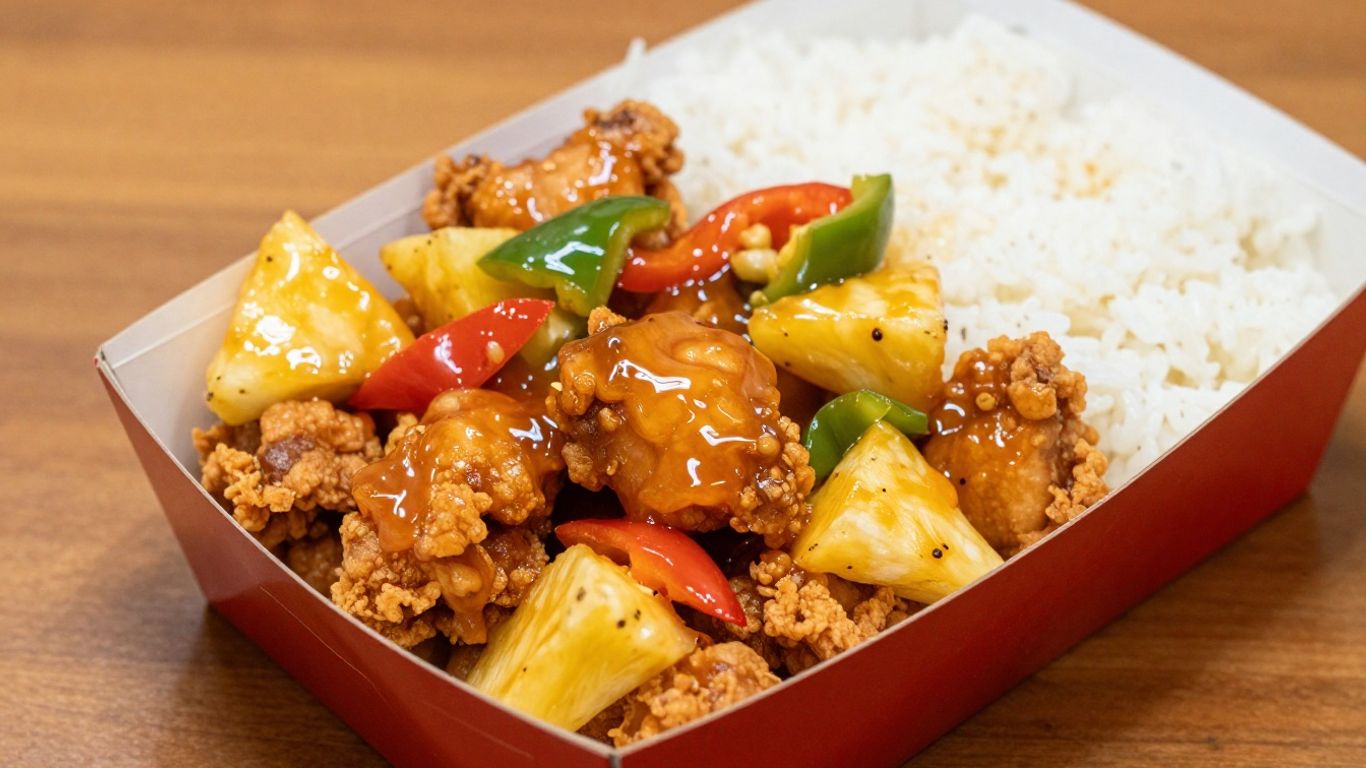
This is often a good choice for children or anyone who prefers low heat, though sweetness levels differ by restaurant. We can balance it with plain rice and a less saucy vegetable dish. The result is a meal with brightness, crunch, and comfort rather than one dominant flavor.
Sesame chicken leans into nutty aroma and a thick, sweet-savory glaze. The sesame may appear as seeds scattered over fried chicken, while the sauce provides most of the richness. We like it when the coating is crisp enough to hold the glaze without becoming dense.
Compared with orange chicken, sesame chicken is less citrusy and more rounded. It suits diners who want a mellow, polished flavor but still enjoy fried texture. Steamed broccoli or another green side gives the order some needed freshness.
A useful ordering trick is to decide whether we want the dish as an entrée or as part of a shared spread. One large portion can go a long way with rice and vegetables. If several dishes already contain sweet sauces, we might choose soup or a plain noodle dish to create contrast.
Beef and broccoli is one of the most dependable combinations on a Chinese take-out menu. Thin slices of beef bring savoriness, while broccoli contributes a gentle bitterness and a softer crunch. The sauce is usually savory and glossy, making it easy to spoon over rice.
The quality of the dish depends on balance. Beef should remain tender, broccoli should not be limp, and sauce should coat rather than flood the container. We can ask for extra broccoli when we want the order to feel lighter and more vegetable-forward.
For a first order at an unfamiliar restaurant, beef and broccoli is a practical reference point. It shows us how the kitchen handles stir-fried meat, vegetables, and seasoning without relying on a very sweet or very spicy profile. We can use that experience to guide our next choices.
Mongolian beef is a rich, savory order with thin beef, onions or scallions, and a dark, sweet-edged sauce. The flavor is direct and satisfying, especially when the beef has browned edges. It is a strong pick when we want something more substantial than a light stir-fry.
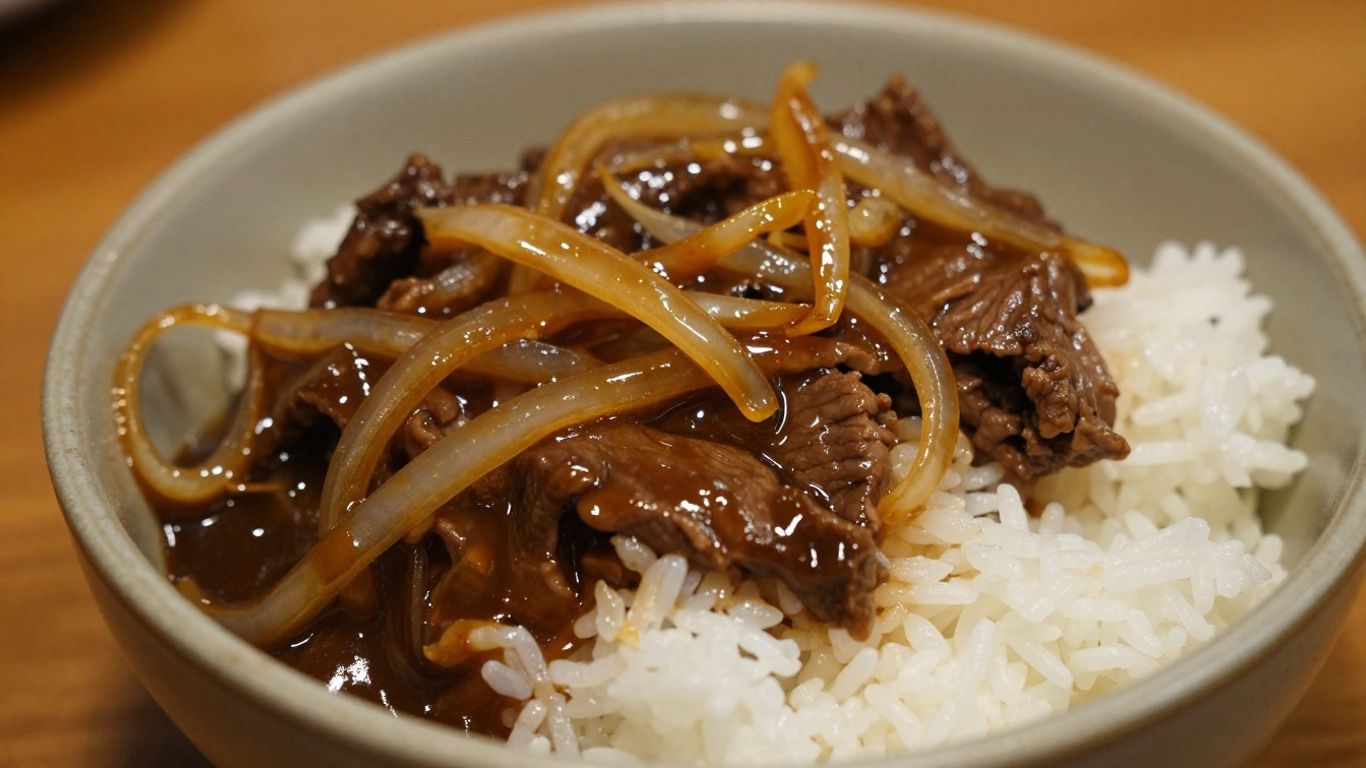
The dish can be intense, so steamed rice is more than a side here; it is part of the balance. Scallions bring a fresh bite that keeps the sauce from feeling one-dimensional. We should also expect variation in sweetness and sauce thickness from one restaurant to another.
If our table already has fried appetizers, Mongolian beef pairs well with something crisp and fresh rather than another glazed entrée. A vegetable dish or hot tea can make the meal feel less heavy. For travelers sampling menus abroad, it is a familiar take-out style with a particularly deep, onion-friendly flavor.
Shrimp fried rice combines rice, egg, shrimp, aromatics, and vegetables in a fast, savory dish. The best texture comes from rice that is cooked but not wet, allowing each grain to move through the wok rather than clump together. Small shrimp distribute their flavor through the whole order.
We can order it as a main dish or use it to stretch a saucy entrée across more people. Extra egg makes it softer and richer, while vegetables add color and contrast. Soy-based seasoning should support the shrimp, not bury its sweetness.
For a deeper look at how moisture, egg, heat, and seasoning shape the dish, we can browse this fried rice styles guide. Those details also explain why leftovers vary: refrigerated rice firms up, but too much reheating can dry the shrimp. A quick, hot reheat usually gives the best result.
Chicken lo mein is the comforting noodle order we choose when rice will not quite do. Soft wheat noodles are tossed with chicken, vegetables, and a savory sauce, creating a dish that is easy to eat straight from the carton. The appeal is its generous, cohesive texture.
We should look for noodles that remain springy rather than greasy or overcooked. Chicken, cabbage, carrots, onions, and peppers may all appear, though the combination changes by kitchen. A little chili oil at the table can add heat without altering the full batch.
Lo mein also travels well because the sauce clings to the noodles instead of sitting separately. We can share one order with a crisp appetizer, or make it the anchor of a casual dinner. For visitors who are still learning a menu, it is familiar, filling, and easy to customize.
Vegetable chow mein offers a lighter-looking noodle option without giving up the satisfaction of a stir-fried meal. Depending on the restaurant, the noodles may be soft or more lightly crisped, with cabbage, bean sprouts, carrots, onions, and other vegetables. We should check the preparation if texture is a priority.
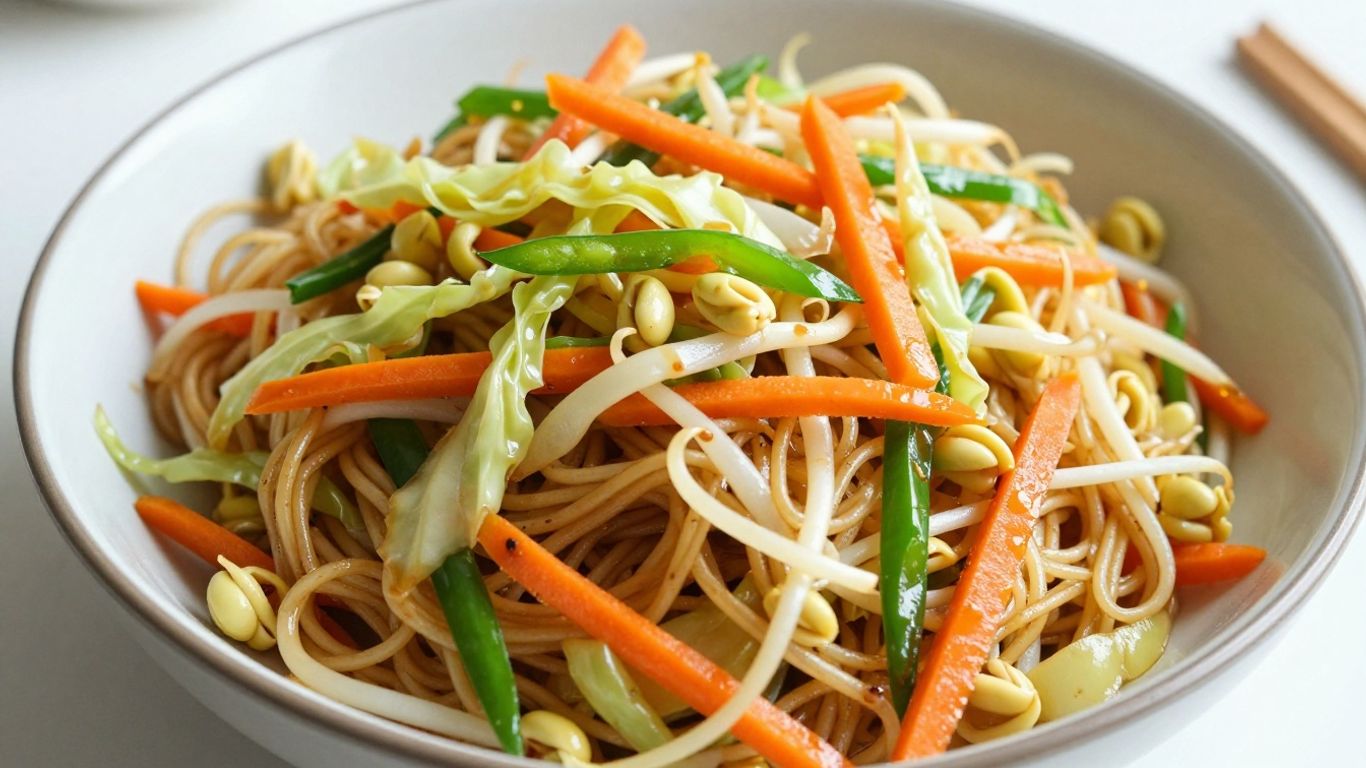
This is a useful shared dish when the table includes several rich entrées. The vegetables bring crunch and fragrance, while the noodles make the meal filling enough to stand alone. We can request extra vegetables or sauce on the side if the standard portion feels unbalanced.
For anyone comparing menus before a trip, our Chinese food delivery guide offers practical ideas for checking delivery zones, fees, minimums, and regional choices. Those details matter with noodles, since a long ride can change their texture. Pickup nearby is often the simplest way to keep chow mein lively.
Pork fried rice has a savory, smoky comfort that makes it a reliable side or main. Pieces of pork, egg, vegetables, and seasoned rice come together in a dish that rewards a good sear without needing a heavy sauce. It is familiar enough for a group and distinctive enough to avoid feeling plain.
We can pair it with steamed dumplings, soup, or a saucy vegetable entrée. The rice should taste seasoned throughout, with enough egg and pork to give the bites variety. If the restaurant offers different pork preparations, asking which one is used can help us anticipate sweetness or smokiness.
Fried rice is also where leftovers can become genuinely useful. We should refrigerate them promptly and reheat only what we plan to eat. A hot pan brings back some texture better than a slow, uneven warm-up, though the dish will never be exactly the same as it was fresh.
Egg foo young is a savory egg patty made with fillings such as vegetables, shrimp, chicken, or pork. It arrives with a smooth brown gravy in many take-out versions, giving the omelet-like center extra moisture. The texture is soft inside with browned edges where the egg meets the pan.
This dish is a welcome change when we have already ordered noodles and fried rice. The egg makes it substantial, while the fillings add small pockets of flavor rather than one dominant sauce. We can spoon gravy over each portion instead of saturating the whole container.
Egg foo young is especially good for sharing because it cuts neatly into pieces. It also gives cautious diners a gentle entry point to a broader menu: recognizable egg, flexible fillings, and a sauce that can be used sparingly. A simple vegetable side keeps the plate from becoming too rich.
Crab rangoon is a crisp filled appetizer with a creamy center and a hint of seafood flavor. In many take-out menus, the filling is mild, making the fried wrapper and dipping sauce just as prominent as the crab. We order it when we want contrast before the main dishes arrive.
The wrapper should be blistered and crisp rather than oily, while the filling should remain creamy without leaking everywhere. Sweet-and-sour sauce is a common companion, but we can also enjoy the pieces on their own. Because they cool quickly, crab rangoon is best eaten early.
These are easy to share, though their richness adds up fast. Three or four pieces alongside soup or vegetables may be enough for a small table. If we are exploring more regional food in China, we can treat crab rangoon as a take-out favorite rather than assume it is a universal traditional dish.
Spring rolls bring a clean crunch to an otherwise soft meal. The filling often includes cabbage, carrots, and other vegetables, wrapped and fried until golden. Some restaurants offer meat or seafood variations, so we should check the menu when dietary preferences matter.
They work well as a first bite, but their role is broader than simple snacking. A crisp roll can break up a table of sauced chicken, noodles, and rice. We can serve them with a dip, though a well-seasoned filling should still taste good without one.
For the freshest texture, we should avoid trapping them in a tightly sealed container for too long. A short rest lets excess steam escape while keeping the center warm. Spring rolls are a small order, but they can make a larger take-out spread feel more complete.
Hot and sour soup is the bowl we choose when we want warmth, spice, and tang at once. The broth usually includes ingredients such as tofu, mushrooms, bamboo shoots, and egg, with pepper and vinegar creating its familiar push and pull. It is comforting without being bland.
The balance can vary: one kitchen may favor vinegar, another pepper, and another a thicker broth. We can ask for extra spice or vinegar separately when the restaurant allows it. The soup is excellent beside fried dishes because its acidity refreshes the palate between bites.
For travelers, soup can also be a gentle way to begin exploring unfamiliar flavors. Our Sharry’s China Travel Guide shares a locally grounded approach to food streets, neighborhoods, and everyday eating, while regional Chinese cuisine can help us think beyond one fixed idea of “Chinese food.” We should order hot and sour soup when we want a meal with warmth and lively contrast.
With fifteen dependable choices, we can match a Chinese take-out order to nearly any craving, then adjust the balance with rice, noodles, vegetables, soup, or shareable appetizers. The most satisfying meals usually come from mixing textures and flavors rather than ordering several dishes that all taste alike.
General Tso’s chicken, orange chicken, kung pao chicken, beef and broccoli, fried rice, lo mein, spring rolls, and hot and sour soup are among the most familiar choices on American Chinese take-out menus.
Sweet and sour chicken, sesame chicken, beef and broccoli, vegetable chow mein, or fried rice are generally gentler choices, though spice and seasoning vary by restaurant.
A balanced group order usually includes one rice dish, one noodle dish, a vegetable entrée, a saucy meat or chicken dish, and one appetizer or soup to share.
Fried rice, lo mein, beef and broccoli, Mongolian beef, and soup generally travel well. Fried foods may soften during delivery, so nearby pickup often gives better texture.
Add steamed vegetables, plain rice, soup, or a less-saucy noodle dish. Sharing smaller portions also lets us enjoy several flavors without making every item equally heavy.
Some are Chinese American take-out favorites, while others draw on broader Chinese cooking traditions. Names and recipes can change considerably between restaurants and regions.
We can explore regional dishes, dim sum, rice noodle rolls, claypot rice, hotpot, or local breakfast foods. Those choices reveal how varied Chinese food is beyond a standard take-out menu.