Physical Address
304 North Cardinal St.
Dorchester Center, MA 02124
Physical Address
304 North Cardinal St.
Dorchester Center, MA 02124
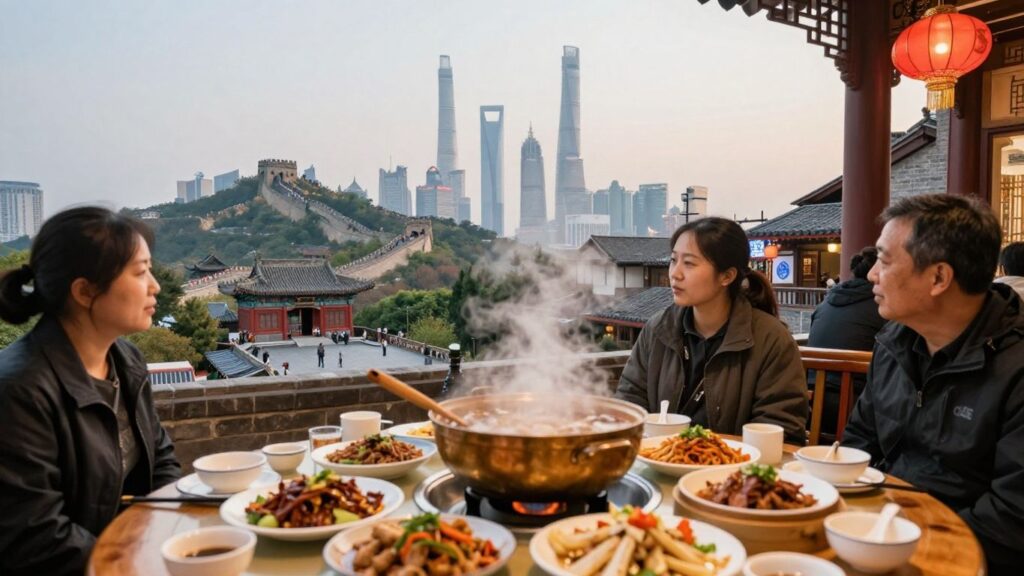
China rewards travelers who plan the broad structure of a trip but leave room for ordinary discoveries. We can make the journey smoother by preparing for regional differences, digital logistics, and the simple pleasure of eating where local people eat.
A useful china travel guide begins with geography. China is vast, and a trip that looks compact on a map can involve long rail journeys or domestic flights. We should decide what kind of experience we want first, then let the season and transport network shape the route.
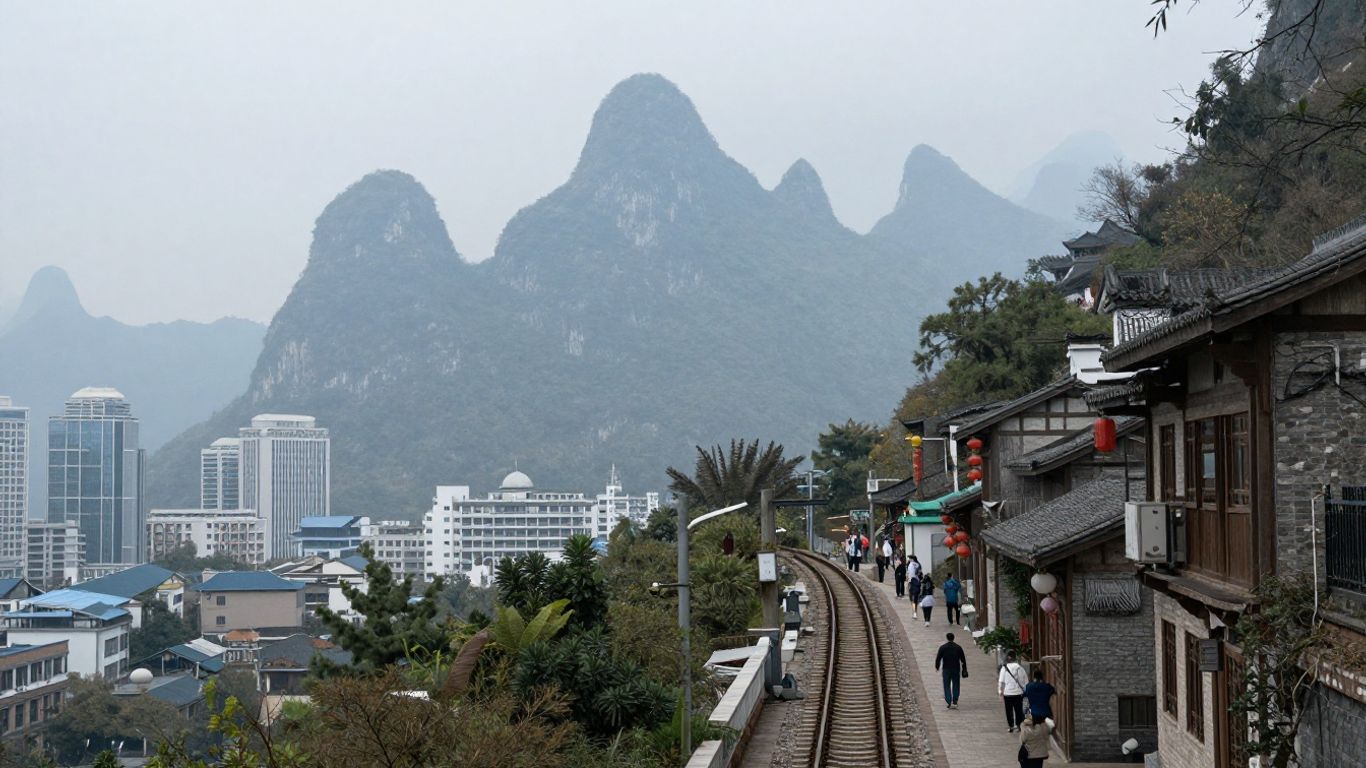
Spring and autumn are often comfortable for city walking, although conditions differ between the north, south, coast, and highlands. Summer can bring heat, humidity, rain, and heavier domestic tourism, while winter may be cold in Beijing and northern destinations but pleasant in parts of the south. We should check the forecast for each region rather than rely on one national average.
The busiest travel periods usually include the Lunar New Year holiday and major national holidays. Transport and attractions can be crowded then, so we either book early or choose a quieter period. Autumn is especially appealing for a first visit because cooler air makes long days of walking easier in many major cities.
For a week, we can focus on two connected bases, such as Beijing and Xi’an or Shanghai and nearby water towns. Ten to fourteen days allows a broader route, perhaps adding Chengdu, Guilin, or another destination that fits our interests. With three weeks or more, we can travel beyond the standard circuit without turning every day into a transfer day.
A simple rule helps: count travel days honestly. A morning train may still consume much of the day once we allow time for getting to the station, security checks, and settling into a new hotel. Two or three nights in one place usually gives us a better feel for its neighborhoods than a rushed overnight stop.
We can reduce fatigue by grouping destinations geographically. Beijing, Xi’an, and Chengdu form a more coherent western or north-central journey than a route that repeatedly crosses the country. Shanghai works well as an arrival or departure point for eastern China, while Guilin and Yangshuo are easier to pair with southern cities than with a distant northern loop.
High-speed rail is often the most comfortable option between connected cities, but flights may make sense for very long distances. We should compare total door-to-door time, not just the published journey duration. Sharry’s China Travel Guide also recommends thinking in terms of realistic travel times and balancing major cities with regional exploration; its China travel planning guide is useful when we need to compare organized support with independent planning.
The Great Wall, the Forbidden City, the Bund, and the Terracotta Warriors deserve their reputations, but they do not need to fill every hour. We can pair a headline attraction with a local market, an old residential lane, a riverside walk, or a neighborhood restaurant. This rhythm gives us a more textured trip and reduces the pressure to collect landmarks.
Before booking, we can also read Sharry’s China Travel Guide for ideas around authentic food, local neighborhoods, and regional specialties. A small detour often becomes the memory we talk about most, especially when it leads to a dish or street scene we had not encountered at home.
Entry rules can change, and they may depend on nationality, passport, itinerary, and point of arrival. We should use official government and consular sources for the final answer, then organize the practical details around that information. A little preparation at home prevents a great deal of uncertainty after landing.
We should confirm whether we need a tourist visa, qualify for a visa-free policy, or can use a transit arrangement for our particular route. Passport validity, blank pages, onward travel evidence, and accommodation details may matter. Requirements are not interchangeable between travelers, so we should not rely on an old friend’s experience or a search result alone.
Make digital and printed copies of the passport information page, visa or permit, flight details, hotel bookings, and travel insurance. Keep the copies separate from the originals. Travelers from the United States can use this US-to-China travel advice as a planning reference, while official sources should remain the authority for current rules.
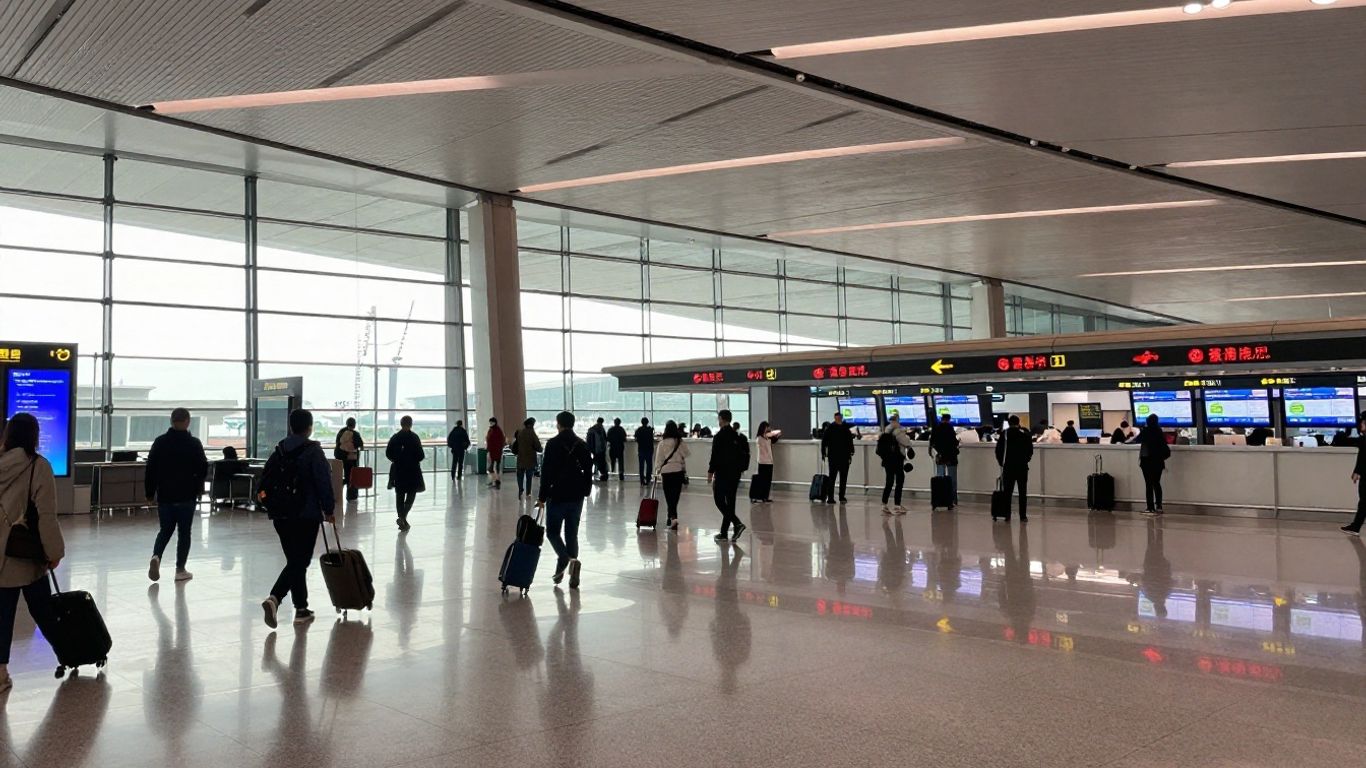
Beijing, Shanghai, Guangzhou, and other major gateways can feel enormous after a long flight. We should know the airport terminal, arrange the first night’s address in Chinese characters, and decide how we will reach the hotel before boarding. A screenshot of the hotel name and address is helpful if mobile data takes time to activate.
Allow extra time for immigration, baggage collection, customs, and the journey into the city. We can keep the first day light: check in, eat something simple, and take a short walk near the hotel. That approach is kinder to our bodies and leaves less room for an exhausted mistake.
High-speed trains are comfortable and connect many major cities, while domestic flights can save time across long distances. Private transfers are most useful when we have bulky luggage, arrive late, travel with children, or need help reaching a rural destination. The best choice depends on the complete route rather than on prestige or habit.
We should build buffers around every connection. Stations may involve security screening and long walks, and airports require check-in time even for domestic flights. For rail planning, this China train ticket guide covers booking channels, seat classes, release timing, and the need to allow time for station procedures.
Travel insurance should reflect our activities and the cost of medical care, cancellations, lost baggage, and disruptions. We can save the insurer’s emergency number, our embassy or consulate contact, hotel details, and key transport bookings in one offline document. Sharing that file with a trusted person at home adds another layer of reassurance.
We should also carry a small wallet with an identification copy and essential medication details. If a problem arises, calm, specific information is more useful than a long explanation: where we are, what happened, and what assistance we need.
China is not one uniform travel experience. Northern cities often foreground imperial history, eastern cities combine commerce with layered neighborhoods, and the southwest offers food traditions and dramatic landscapes. We can enjoy the country more when we choose destinations for the kind of days we want to have, not simply for their ranking on a list.
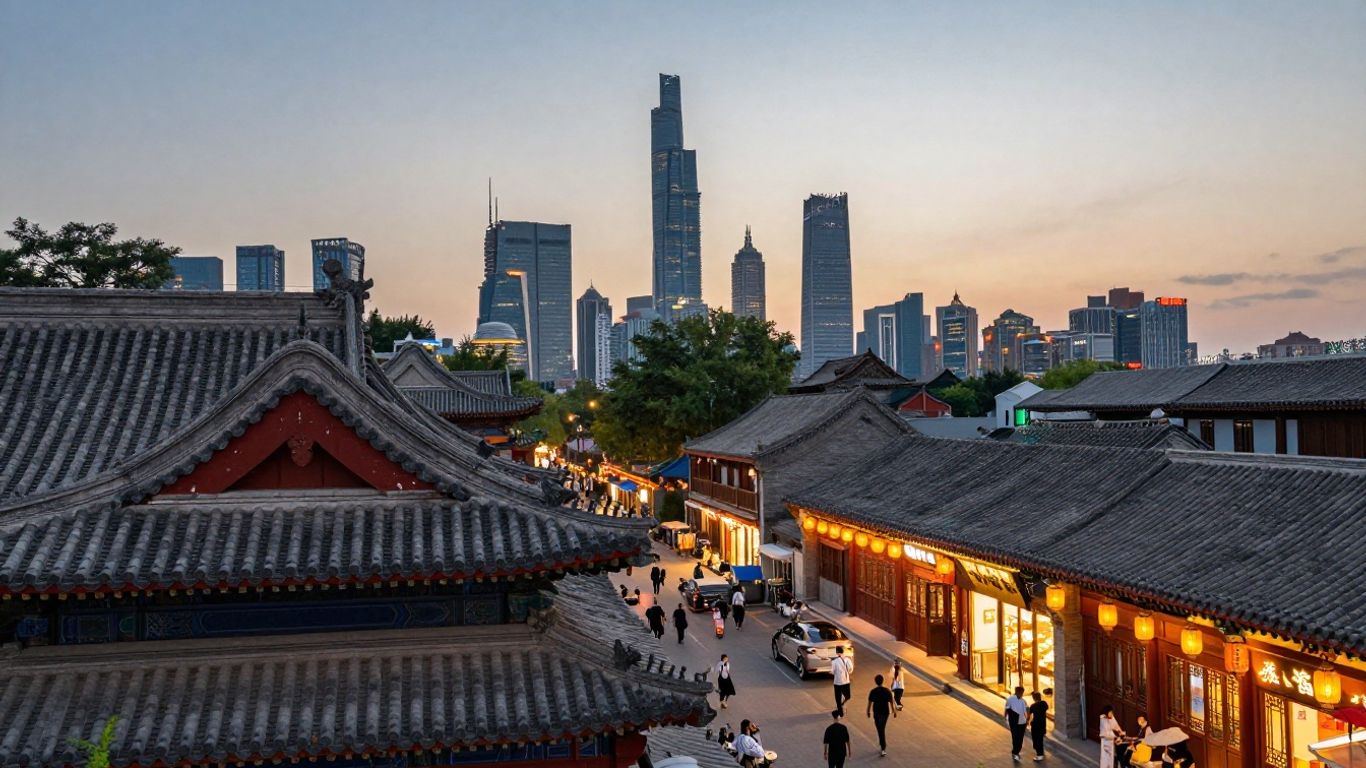
Beijing suits travelers who enjoy monumental history, museums, hutong lanes, parks, and long walks between very different eras. We can devote a morning to the Forbidden City, then slow down around a nearby courtyard neighborhood rather than rushing straight to another major sight. The Great Wall deserves its own half-day or full day, with the section chosen according to our fitness, transport, and appetite for crowds.
The city is broad, so grouping visits by area saves energy. We should book timed attractions when required and wear comfortable shoes. Early starts are worthwhile at major sites, both for cooler temperatures and for a calmer first impression.
Shanghai offers a different pace: riverfront views, international architecture, dense shopping streets, art spaces, and older lanes tucked behind busy roads. We can walk the Bund at one time of day and explore a quieter former concession neighborhood at another. The contrast between polished towers and everyday apartment streets is part of the city’s character.
Food gives the visit its own structure. We might begin with breakfast from a small shop, pause for xiaolongbao or noodles, and save the evening for a shared meal. Shanghai works well as a first or final stop because its transport connections are extensive and its urban energy is easy to combine with nearby excursions.
Xi’an is a natural choice for travelers drawn to history, city walls, and the Terracotta Warriors. Chengdu is better suited to slower afternoons, teahouses, Sichuan flavors, and panda-related visits. Guilin and Yangshuo appeal to us when limestone peaks, river scenery, and outdoor time matter more than dense city sightseeing.
We should not treat these places as interchangeable stops. Each needs a different pace: Xi’an rewards structured sightseeing, Chengdu invites lingering, and Guilin benefits from checking weather and transport conditions. That distinction helps us avoid an itinerary that looks varied on paper but feels repetitive in practice.
Yunnan can suit travelers interested in mountain scenery, minority cultures, old towns, and a gentler route through the southwest. Tibet requires additional planning, permits, and attention to altitude, so we should use current official guidance and allow time for acclimatization. Other regional choices, from Fujian villages to the far northwest, may be rewarding but demand longer travel days.
Our best question is not “What is the most famous place?” but “What do we want to notice?” Landscapes, architecture, tea, food, photography, and walking each point toward different regions. This is where a local-focused resource such as Sharry’s China Travel Guide can help us look beyond a standard city checklist.
Transport in China can be efficient, but the scale of stations, airports, and city networks takes some getting used to. We should treat every transfer as part of the itinerary, with time for finding entrances, passing security, and locating the correct platform. Once we have the basic habits, moving between cities becomes much less intimidating.
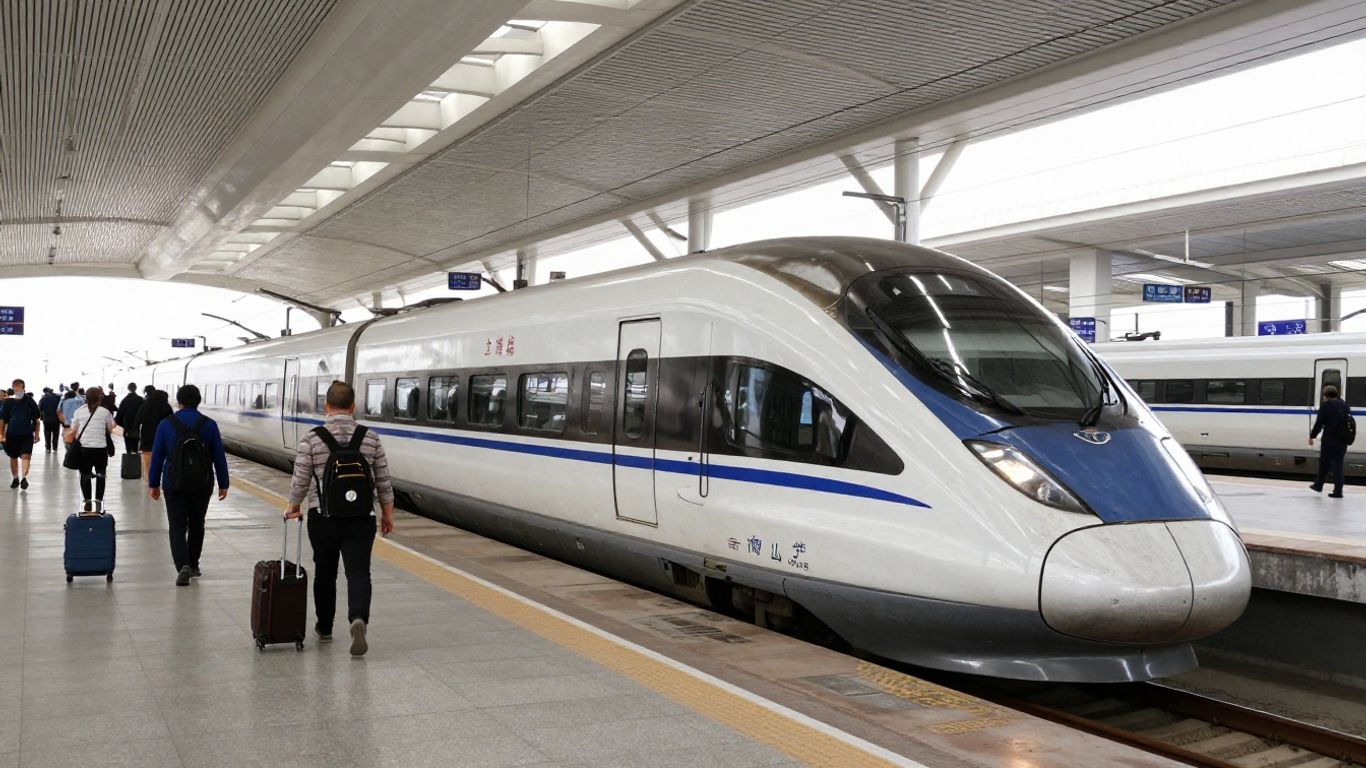
For trains, our passport details must match the booking information exactly. We should check the departure station carefully because a city may have more than one major station, sometimes far apart. At the station, we can follow the electronic boards, keep the ticket or booking details accessible, and arrive early enough to handle security without rushing.
Domestic flights can be useful for long distances, although airport transfers and check-in add time. We should compare luggage rules, arrival airports, and ground transport before deciding. A comfortable seat on a slightly longer train may be preferable to an apparently short flight with several complicated transfers.
Metro systems are usually the quickest way across large urban areas, especially during road congestion. We should learn the station name in both English and Chinese, keep a charged phone, and avoid boarding at the busiest times when possible. Buses reach more neighborhoods but can be harder to navigate without translation support.
Walking remains valuable once we arrive in the right district. A short metro ride followed by an unplanned stroll often reveals breakfast counters, small parks, and local shopping streets that a taxi ride would hide.
We should download maps for offline reference where possible and save hotel addresses, station names, and attraction details in Chinese characters. Translation tools are most useful when we keep requests short and concrete. Photos of menus, signs, or ingredients can help, but we should still verify allergies and dietary restrictions clearly.
A dependable routine is to screenshot the next destination before leaving Wi-Fi. We can also keep a note with the Chinese names of our hotel and planned stops. These small habits matter when a connection drops or a map displays a place differently from the name we recognize.
Official taxis, reputable ride-hailing services, and prearranged drivers each have a place. We should avoid unlicensed offers inside transport hubs and confirm the destination before the vehicle moves. For rural sights or several stops in one day, a driver can simplify logistics, but the itinerary, price, waiting time, and inclusions should be clear in writing.
We can keep the hotel card or address available for the return journey. At the end of a long day, showing the destination is often easier than trying to pronounce it perfectly.
Digital preparation is one of the least glamorous parts of travel, yet it affects nearly every meal, ride, and booking. We should set up the essentials before departure while we still have reliable access to our usual accounts. It is also wise to prepare a backup method, because no single app, card, or network works perfectly all the time.
Many everyday transactions can be handled through mobile payment platforms, but setup may require identity verification, a bank card, or a working phone number. We should test the account before leaving and carry some Chinese currency for small vendors, deposits, or situations where a foreign card is not accepted.
We should notify our bank about the trip and understand foreign transaction fees. A second card stored separately from the first is sensible. For a broader look at budgeting and practical preparation, a China travel money guide can sit alongside our bank’s current advice.
We can investigate whether our phone supports an eSIM, whether a physical SIM is easier for our route, and how our provider handles roaming. Connectivity plans differ in coverage, activation, and access to services, so we should read the current terms rather than assume that one option suits everyone.
A backup plan might be hotel Wi-Fi, an offline map, and a written address. We should also check local laws and the terms of any VPN or communication service before travel, particularly if we need access to work systems.
Before departure, we can install a translation tool, a map, a rail or flight booking method, and the payment apps we expect to use. We should sign in, verify our phone number, and save confirmation screens offline. It is much easier to solve an account issue at home than in a crowded station.
We may also want a weather app, a note-taking app for addresses, and a camera-based translator. The goal is not to fill the phone with tools; it is to make the few essential ones dependable.
Costs vary sharply by city, hotel standard, dining style, and how often we take long-distance transport. We can make a realistic budget by separating fixed costs from daily spending and reserving a cushion for entrance fees, taxis, shopping, and last-minute changes. Street breakfasts and neighborhood restaurants can be excellent without being expensive, while premium hotels and guided excursions quickly raise the average.
| Travel style | Accommodation | Food and drinks | Local transport and sights |
|---|---|---|---|
| Budget | Hostel or simple guesthouse | Street food and casual meals | Metro, walking, selected entries |
| Comfortable | Mid-range hotel | Mix of local and sit-down meals | Metro, taxis, regular attractions |
| Premium | Higher-end hotel | Restaurants and special experiences | Private transfers, guides, frequent entries |
These are planning categories rather than fixed prices. We should check current rates for each destination and keep long-distance tickets in a separate part of the budget so daily spending remains easy to monitor.
Food is one of the best ways to understand China, but “Chinese food” covers a huge range of ingredients, textures, and cooking methods. A breakfast stall in Guangzhou, a Sichuan restaurant in Chengdu, and a northern noodle shop may feel like entirely different culinary worlds. We can approach meals with curiosity while still being clear about health needs and personal limits.
Cantonese cooking often highlights freshness and lighter seasoning, Sichuan food is known for layered spice and numbing pepper, and northern cooking frequently includes wheat-based noodles, dumplings, and breads. Eastern cuisines may favor seafood, delicate sauces, or sweet-savory balance. These are broad patterns, not strict rules, and individual restaurants vary.
A good first meal is often one that people nearby are already sharing. We can explore regional Chinese cuisine before departure to recognize common dishes and decide which flavors sound appealing. Sharry’s China Food Guide also offers a locally grounded way to think about regional specialties rather than treating every dish as one national category.
We can use photographs, translated dish names, and simple phrases, but gestures and patience often do as much work as vocabulary. Showing an allergy message in Chinese is safer than relying on a single spoken word. If we are uncertain about portion size, ordering one or two dishes first lets us adjust without waste.
Shared dining is common, so we should expect dishes to arrive when ready rather than in a fixed Western sequence. A Chinese street food guide can help us understand when breakfast stalls, snack markets, and late-night food streets are most active.
At temples and religious sites, we should dress respectfully, observe whether photography is allowed, and follow the behavior of worshippers rather than treating the space as a backdrop. In homes, accepting tea or food graciously is usually appreciated, and we can wait for the host’s lead about where to sit. At shared meals, serving others before ourselves is a considerate habit.
Small gestures make interactions easier: speak quietly in heritage sites, avoid touching objects on display, and keep queues orderly. We do not need perfect cultural knowledge; we need attentiveness.
We should ask before photographing people, avoid making assumptions about regional identities, and use neutral language when discussing unfamiliar foods or traditions. Some ingredients may be surprising to us, but describing them with shock can flatten a complex local culture. A thoughtful guide to Chinese food vocabulary can also help us understand terms that appear in menus and conversations.
We can accept that our habits may not always fit local routines. Flexibility, a few polite phrases, and genuine interest usually carry us further than trying to perform expertise.
China is a rewarding destination, but a smooth trip depends on ordinary precautions. We should protect our belongings, monitor our energy, and accept that weather, crowds, and closures may change the plan. The most memorable days often have a loose shape rather than a minute-by-minute schedule.
We should be cautious about unsolicited offers near major attractions, pressure to visit a shop, unclear taxi fares, and requests to change a previously agreed price. Official ticket counters and reputable booking channels are safer than informal approaches. We can keep valuables secure in crowded stations and avoid displaying large amounts of cash.
If something feels rushed or confusing, we can step aside, check the details, and ask hotel staff for help. A pause is often enough to turn a stressful moment into a manageable one.
We should pack regular medication in its original packaging, carry basic supplies, and review any health advice relevant to our route. Air quality can vary by city and season, so travelers who are sensitive to pollution may want to monitor forecasts and plan indoor alternatives. For food, busy vendors with high turnover are often a sensible choice, while we should take extra care with untreated water and foods that have been sitting out.
Rest matters. Long walks, heat, altitude, and unfamiliar meals can accumulate over several days, so we should respond early to fatigue rather than push through every symptom.
Popular sights may have timed entry, temporary closures, weather restrictions, or unusually heavy crowds during national holidays. We should keep a short list of alternatives near each planned attraction. Museums, parks, food streets, and neighborhood walks can fill a day when a headline site is unavailable.
Checking official attraction notices and local weather shortly before leaving the hotel gives us a chance to adjust. A flexible plan is not a lesser plan; it is better matched to how travel actually unfolds.
We can give each day one main anchor, two nearby possibilities, and an unbooked window for food or wandering. Grouping sights by neighborhood keeps transfers short and leaves more time for noticing details. We should also place a lighter day after a long journey or an especially crowded attraction.
A useful itinerary includes the Chinese address of each stop, estimated travel time, opening information, and a backup idea. Sharry’s China Travel Guide keeps this same practical spirit by connecting routes with food, walkable areas, and everyday local experiences. We can plan enough to feel confident, then leave space for the meal, conversation, or side street that could not have been scheduled.
With the right route, current entry information, dependable payment and connectivity plans, and a little patience, we can experience China with far less friction. The strongest trips combine famous places with regional food, ordinary neighborhoods, and enough flexibility to let each city reveal its own pace.
Seven to ten days can cover two major destinations at a comfortable pace, while two weeks allows a more varied route. We should count transfer time honestly and avoid adding cities simply to make the itinerary look fuller.
Spring and autumn are often comfortable for sightseeing, but the best season depends on the regions we plan to visit. We should check local weather and avoid major holiday crowds if our schedule is flexible.
Visa requirements depend on nationality, passport, purpose of travel, route, and current policy. We should confirm the rules through official government or consular sources before booking nonrefundable arrangements.
Yes, many travelers manage independent trips successfully with advance planning. We should prepare addresses in Chinese, allow time at stations and airports, and have offline backups for maps, bookings, and payments.
High-speed trains are convenient for many connected city pairs, while flights can save time across very long distances. Comparing door-to-door travel time, airport transfers, luggage, and departure locations will usually clarify the better choice.
Mobile payments are widely useful, but we should set them up in advance and carry backup cash and a second payment card. Small vendors or unexpected technical problems are easier to handle when we have more than one option.
We can start with busy, well-regarded places, order modest portions, ask about ingredients, and stay open to regional differences. Photographing people or entering religious spaces also calls for permission and attention to local etiquette.