Physical Address
304 North Cardinal St.
Dorchester Center, MA 02124
Physical Address
304 North Cardinal St.
Dorchester Center, MA 02124
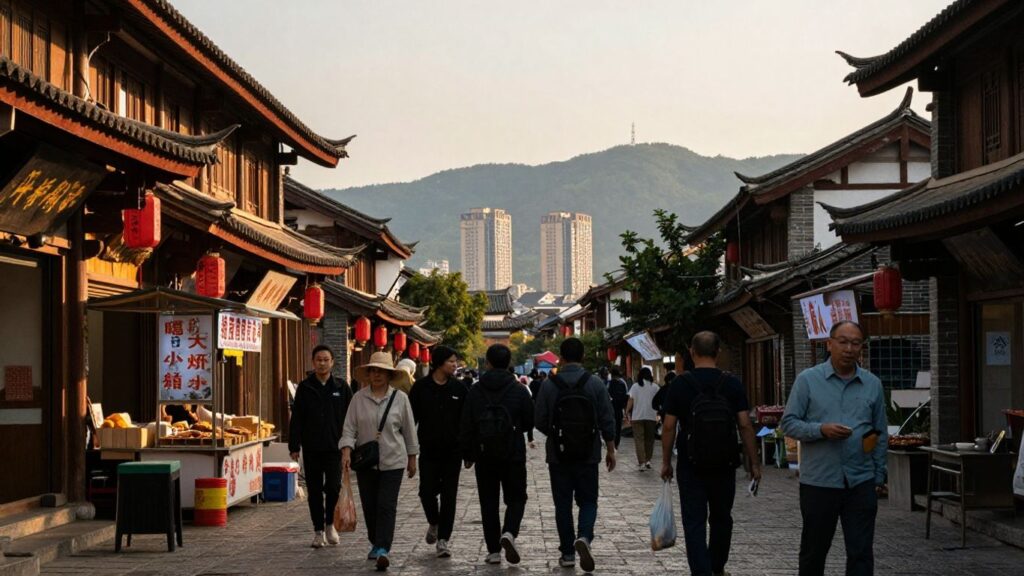
A memorable first visit becomes much easier when we choose fewer places, leave room for ordinary local life, and prepare the practical details early.
China is too large to experience properly in one rushed sweep. Before we name cities, we should decide whether the trip is mainly about history, food, landscapes, urban life, or a balanced mix. Our best china travel plans will reflect the way we actually like to travel, rather than trying to reproduce somebody else’s route.
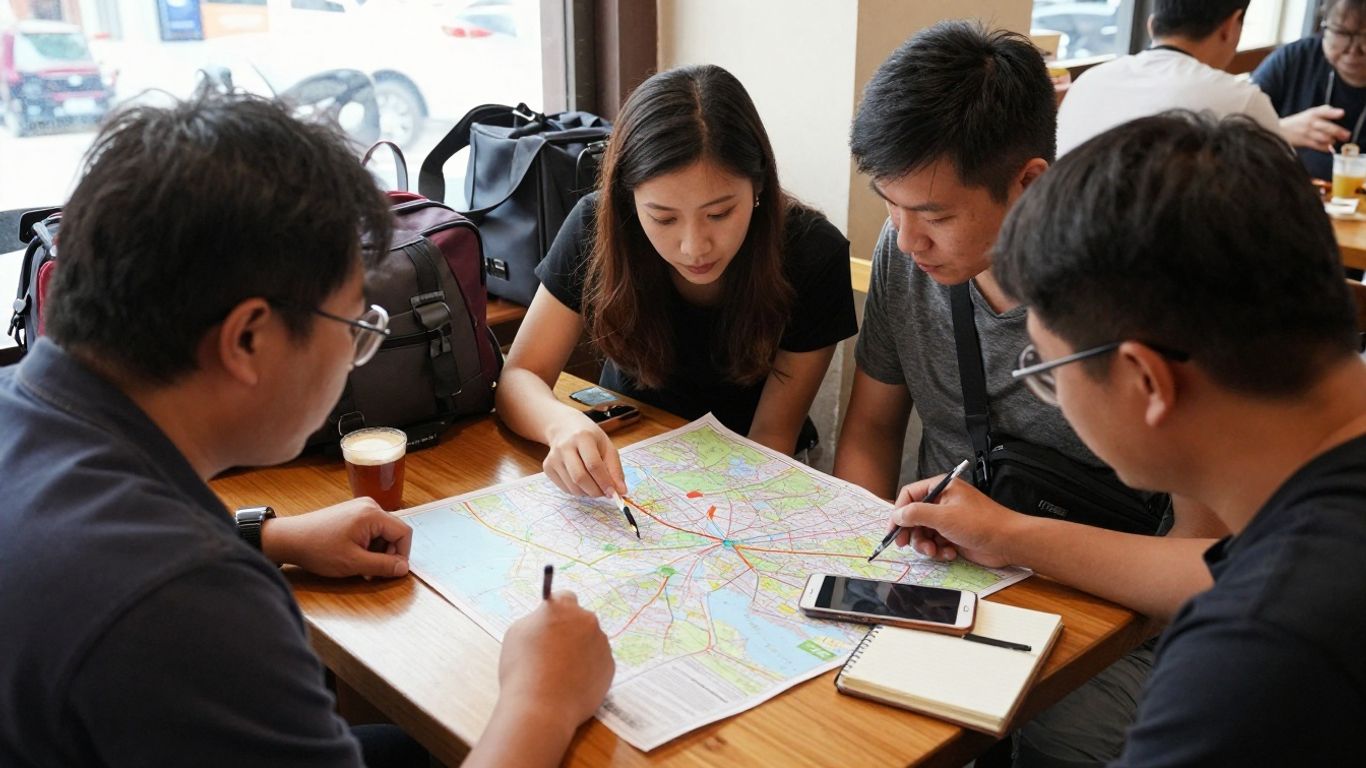
For a first trip, one week usually works best around one major region, while two weeks allow us to combine several headline cities with a more distinctive regional stop. With three weeks or more, we can slow down and include smaller towns, nature, or a food-focused stretch. A shorter trip is not a lesser trip; it simply needs a tighter geographic frame.
Major cities make arrival, transport, and sightseeing relatively straightforward, but regional experiences often provide the strongest sense of place. We might pair Beijing with an old neighborhood walk, Shanghai with a nearby water town, or Chengdu with an unhurried meal and a market visit. Sharry’s China Travel Guide is built around authentic food, local neighborhoods, practical routes, and regional specialties, which is a useful lens when we want more than famous landmarks.
A useful first draft starts with three or four interests and turns each into possible places. History may point us toward Beijing and Xi’an; food toward Chengdu, Guangzhou, or regional markets; scenery toward Guilin, Yunnan, or Zhangjiajie. We can also use this first-trip China guide to compare the practical trade-offs between destinations before committing to a route.
A city day is rarely just the time spent inside a museum or temple. Stations can be large, queues can be unpredictable, and crossing a city may take longer than a map suggests. We should count transfer days as real travel days and leave at least a little unscheduled time for a meal, a neighborhood, or a change of plan.
China’s destinations are varied enough that the hardest choice is often what to leave out. We can begin with one anchor city, then add places that change the rhythm of the trip rather than repeating the same experience. The following combinations work well because they offer different histories, flavors, landscapes, and kinds of daily life.

Beijing is a natural starting point for travelers drawn to imperial history and major landmarks. We can give the Forbidden City and the Great Wall proper time, then balance them with hutongs, parks, and neighborhood restaurants. The city rewards early starts, especially when we want to see a major site before the busiest part of the day.
Xi’an brings together the Terracotta Army, historic city walls, and a lively food culture shaped by northwest China. Chengdu offers a different pace, with teahouses, relaxed parks, Sichuan cooking, and the chance to plan around panda visits. For a food-led route, we can browse this guide to regional Chinese street food before deciding how much time to reserve for markets and evening food streets.
Shanghai is a strong choice for contemporary architecture, riverfront walks, museums, and dense urban neighborhoods. Hangzhou adds lakeside scenery, tea country, and a gentler pace without requiring a completely separate travel style. Together, they make sense for travelers who want city energy with an easy transition into gardens, water, and green spaces.
Guilin and nearby Yangshuo suit travelers who want karst peaks and river landscapes, while Yunnan offers highland scenery and culturally distinct towns. Zhangjiajie is a dramatic option for mountains, trails, and viewpoints, though we should check walking distances and weather before booking. Nature destinations can be unforgettable, but they need more flexibility than a museum-based city stop.
A good itinerary is not a string of attractive pins on a map. It is a sequence that makes sense by rail, air, and local transport, with enough space to absorb delays. We should think in terms of bases and transitions: where we sleep, how we reach the next place, and what remains realistic after arrival.
Whenever possible, we can move in one broad direction instead of zigzagging across the country. Grouping northern, central, eastern, or southwestern stops reduces repeated airport and station days. A useful China travel planning guide can help us compare arrival cities, high-speed rail, domestic flights, and local transport before we finalize the order.
High-speed trains are often comfortable for city pairs with convenient stations, while flights may make more sense across very long distances or when a region is separated by mountains. Within cities, metros, buses, taxis, and walking each have their place. For rail-heavy routes, review this practical guide to China train tickets, particularly when departure stations and connection times affect the day.
We should avoid scheduling a major attraction immediately after a long journey. Station security, finding the correct entrance, collecting luggage, and reaching accommodation all take time. A slower route often feels richer, because it leaves room for a local breakfast, an unexpected lane, or simply a quiet pause between big sights.
A simple transfer checklist keeps the plan usable rather than merely attractive:
After we add those buffers, the itinerary usually looks less ambitious on paper but works much better in practice. That is a worthwhile trade for a first visit.
We can prepare one indoor alternative for each destination, such as a museum, food market, tea house, or neighborhood meal. It also helps to avoid placing a nonrefundable, high-cost activity on the final day. If a train is delayed or rain closes a mountain trail, having a second choice turns a disruption into a change of rhythm rather than a ruined day.
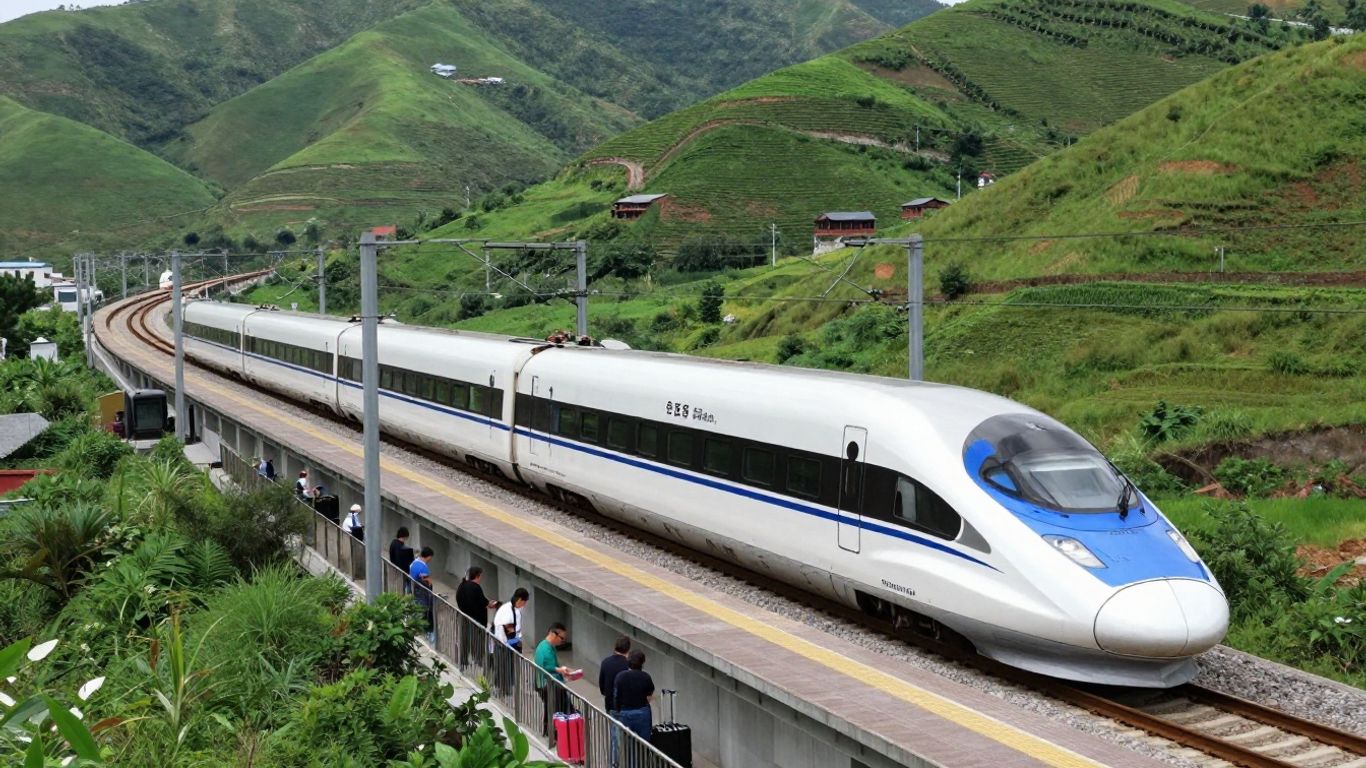
There is no single best month for every part of China. Spring and autumn are often comfortable for broad itineraries, while summer can work well for highland areas and school-holiday travel, and winter can bring lower crowds in selected cities. The right choice depends on our route, tolerance for heat or cold, and the activities we care about most.
Spring often brings pleasant walking weather and fresh greenery, although conditions vary by region. Summer can be hot, humid, and busy, but it may suit mountain destinations or travelers tied to school calendars. Autumn is attractive for clear days and color in many areas, while winter rewards visitors who prefer quieter streets and do not mind cold conditions in the north.
Beijing, Shanghai, Chengdu, Yunnan, and Guilin can feel like entirely different trips in the same month. Coastal humidity, northern cold, southwestern elevation, and rainy periods all affect clothing and outdoor plans. We should check the forecast for every region on the route rather than relying on one national average.
Major Chinese holidays can bring heavier domestic travel, higher prices, and crowded transport. If our dates overlap with a peak period, we should reserve trains and accommodation earlier and avoid an itinerary built around tight connections. The broader China travel guide is also useful for reviewing timing, transport, arrangements, and travel insurance as one preparation process.
If hiking is central, we need daylight, trail access, and manageable temperatures more than a generic “pleasant season.” If food and neighborhoods are the priority, a little rain or cold may be easier to accommodate. We can protect the most weather-sensitive activity with a spare day, then let museums, restaurants, and city walks fill the less predictable gaps.

The practical preparation deserves as much attention as the sightseeing list. Entry rules, passport validity, reservations, attraction access, and payment methods can change, so we should confirm details with official sources and our transport or accommodation providers. Writing down confirmation numbers and Chinese addresses gives us a backup when internet access is slow.
We should check passport validity, visa requirements, permitted stay length, and any transit conditions for our nationality before booking nonrefundable arrangements. Requirements can differ according to route and purpose of travel. If we use professional help, compare responsibilities carefully with a China travel service agent guide, especially around visas, transport, emergency support, and what is promised in writing.
A central address is not always the best address. Being near a metro station, a useful railway station, or a walkable food area may save more time than staying beside one landmark. We should verify the full address, check-in rules, room policies, and recent reviews, then save the Chinese version for taxis and local directions.
Timed entry is common at popular sites, and train availability can shape an entire route. We should list the attractions that truly matter, identify their booking windows, and avoid buying every ticket before the route is stable. Keeping one or two flexible days prevents a single unavailable reservation from forcing a chain of expensive changes.
Before departure, we can set up suitable mobile payment options, carry a backup card, and keep some accessible funds in case a particular payment method fails. We should notify our bank if needed and store emergency contact details separately from our wallet. A small offline record of booking details is reassuring when phones, data, or batteries let us down.
Digital preparation can remove a surprising amount of friction, especially when we are unfamiliar with Chinese addresses and transport systems. We should install and test essential tools before leaving home, not during a late arrival. The goal is not to plan every interaction, but to make ordinary tasks—finding a station, translating a menu, or sharing an address—less stressful.
We should choose a translation tool that handles camera input and save key phrases for hotels, allergies, directions, and ticket counters. Navigation apps are most useful when we enter the exact Chinese address rather than relying only on an English hotel name. Screenshots can help when showing a destination to a driver or asking for assistance.
We can compare an international roaming plan, travel eSIM, local SIM, or another legitimate connectivity option before departure. Coverage and compatibility depend on our phone, destination, and provider, so testing the setup early matters. We should also consider which services we need for maps, translation, bookings, and communication rather than assuming every familiar service will work normally.
Offline maps, hotel confirmations, train details, passport scans, and insurance information should be available without a connection. We can organize them in one clearly named folder and keep a second copy in secure cloud storage. A few minutes of preparation can save a long search in a busy station.
The video placeholder can supplement our preparation, but it should not replace checking current entry, transport, and connectivity information. Conditions change, and the most useful source for a specific booking is usually the provider handling it.
For each hotel and major stop, we should save the Chinese address, nearest station, district, and a simple description of the entrance. We can also record train numbers, departure times, seat information, and the station’s Chinese name. These small details make transfers calmer and reduce the chance of arriving at the right city but the wrong terminal.
The cost of a China trip depends heavily on region, season, transport choices, and how often we choose guided experiences. We should build a daily estimate rather than chase one headline number. Food can range from quick local breakfasts to elaborate restaurant meals, while accommodation and intercity transport usually create the biggest swings.
We can price the route in three layers: long-distance transport, nightly accommodation, and daily spending for food and local travel. Then we add attraction tickets, luggage or transfer costs, and a reserve for price changes. Itemizing the estimate makes it easier to see whether we need fewer destinations, simpler rooms, or a different travel month.
| Cost area | What to estimate | Why it varies |
|---|---|---|
| Intercity transport | Trains, flights, and station transfers | Distance, booking time, and flexibility |
| Accommodation | Nightly rate and location | Season, city, and proximity to transit |
| Food | Breakfast, casual meals, and special dinners | Region, restaurant style, and group size |
| Activities | Attraction fees and guided visits | Site popularity, advance booking, and tour length |
Once the categories are visible, we can make deliberate choices instead of cutting randomly. A less expensive hotel near useful transit may preserve more money for regional food or a special landscape excursion.
Budget travel may mean local eateries, simple rooms, and more public transport, while mid-range travel often buys convenient locations and occasional private transfers. Luxury planning can add higher-end hotels, private guides, and more flexible transport. We should compare the whole rhythm of each style, not just the nightly room price.
Some experiences cost little but require time, while others carry a clear ticket or guide fee. We can choose a few paid highlights and leave space for free neighborhood walks, parks, markets, and everyday meals. For unusual foods, ordering small portions and asking local advice is a practical way to explore without overspending; this unusual Chinese foods guide offers ideas for approaching unfamiliar dishes with curiosity.
A separate reserve can cover a missed connection, an extra hotel night, a replacement charger, medical needs, or a last-minute change in transport. We should keep it accessible through more than one payment method. Even when everything goes smoothly, knowing that the reserve exists makes the rest of the trip feel lighter.
When comparing outside planning resources, we may encounter a fasaderehabilitation contractor guide, a traffic secrets book offer, a daily fantasy football guide, or an aesthetic clinic patient journey guide. They are unrelated to China travel, so we should not confuse their subjects with itinerary research; the sensible budgeting lesson is simply to verify that every resource fits the trip we are actually planning.
Our first China trip does not need to cover everything to feel full. By choosing a manageable route, pairing major landmarks with local neighborhoods and food, allowing realistic travel time, and preparing the practical details early, we give ourselves room to notice the country as we move through it.
Around 10 to 14 days gives us enough time to combine two or three major destinations without racing constantly. With fewer days, we should stay within one region and avoid long cross-country transfers.
Beijing, Shanghai, Xi’an, Chengdu, Hangzhou, and selected nature destinations are common starting points because they offer different combinations of history, food, urban life, and scenery. The best choice depends on our interests and available time.
Spring and autumn are often comfortable for walking in many parts of the country, but regional weather varies. We should compare the climate of every destination on our route and match the season to our activities.
High-speed trains are often convenient between well-connected cities, while flights can save time across very long distances. We should compare total journey time, station or airport access, price, and how much flexibility the route needs.
Popular attractions and some transport services may require advance reservations or timed entry. We should reserve the sites that are central to our plans while leaving less important activities flexible.
We can use translation tools, save Chinese addresses, keep screenshots of reservations, and learn a few practical phrases. Showing a written destination is often easier than trying to pronounce an unfamiliar name.
There is no single useful total because accommodation, transport, food, season, and activities vary widely. A daily estimate plus an emergency reserve gives us a more reliable planning figure than a generic average.