Physical Address
304 North Cardinal St.
Dorchester Center, MA 02124
Physical Address
304 North Cardinal St.
Dorchester Center, MA 02124
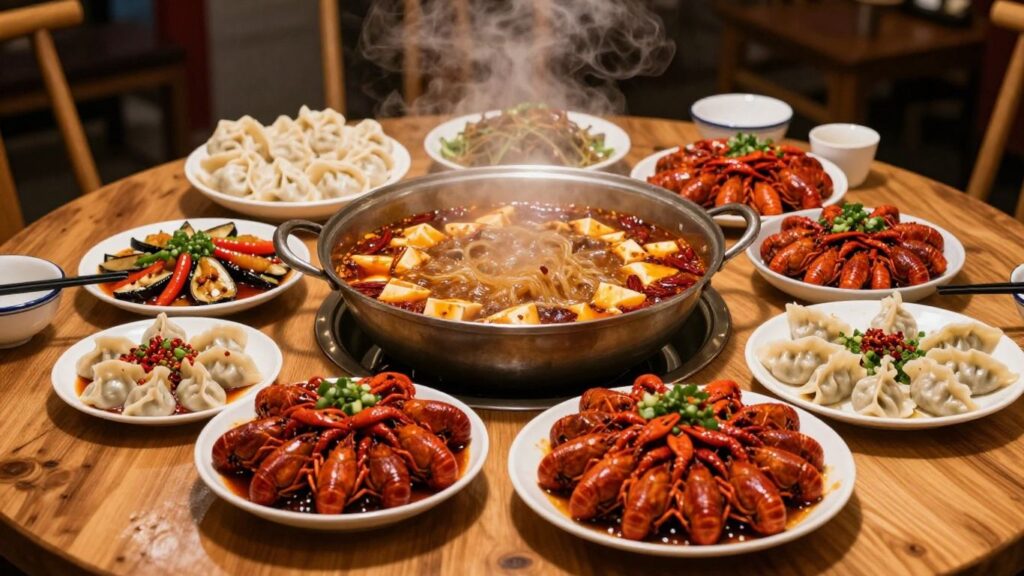
China’s spicy food is not one single flavor: Sichuan brings numbing mala, Hunan brings direct chili heat, and Chongqing brings dramatic, communal dishes.
Mapo tofu is one of the most recognizable spicy Chinese foods, and for good reason. Soft tofu sits in a savory sauce with minced meat, fermented bean paste, chilies, and Sichuan peppercorns. The texture is gentle, but the flavor arrives in layers: salty, aromatic, oily, spicy, and lightly numbing.
We usually eat it with plain steamed rice, which catches the sauce and softens the intensity. A well-made version should not taste like heat alone. Garlic, scallions, fermented beans, and fragrant chili oil give the dish its depth, while the tofu keeps every bite smooth.
For travelers, mapo tofu is a useful introduction to Sichuan cooking because it shows how málà works. The chili warms the mouth, while Sichuan pepper creates a brief tingle that makes the next bite feel different from the last.
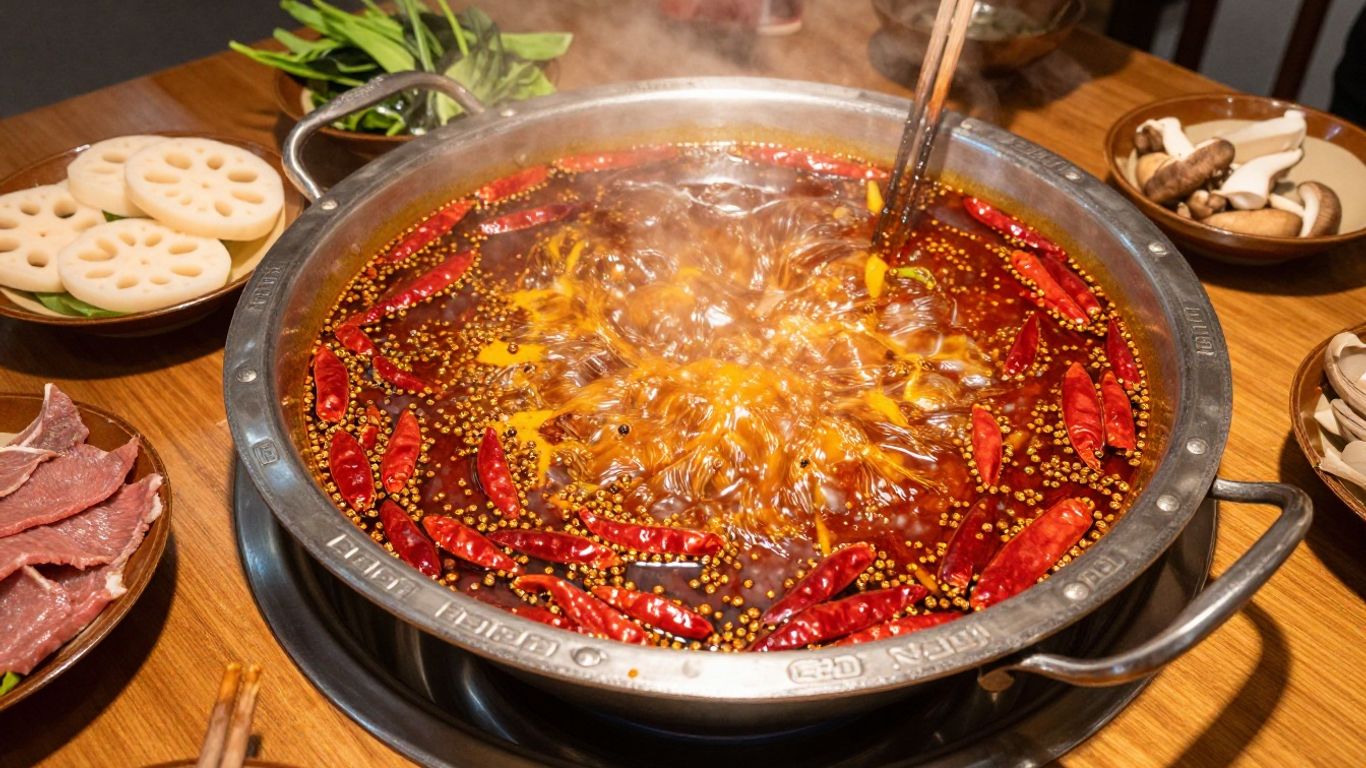
Sichuan hot pot turns dinner into a shared activity. A bubbling pot of chili oil, dried chilies, Sichuan peppercorns, aromatics, and stock sits in the center of the table, while everyone cooks thinly sliced meat, vegetables, tofu, mushrooms, and noodles. The aroma can be powerful before the first ingredient even touches the broth.
The broth is only part of the experience, so we pay attention to the dipping sauce as well. Sesame oil, garlic, cilantro, oyster sauce, or chopped scallions can cool and round out the heat. This spicy Chinese food guide is also useful when we want a broader look at classic fiery dishes before planning a meal.
Different ingredients need different cooking times, and that rhythm is part of the fun. Tender beef takes seconds, while potatoes and lotus root need longer. We recommend ordering a mix of textures so the meal moves between crisp, chewy, silky, and richly seasoned bites.
| Ingredient | Texture | Typical cooking approach |
|---|---|---|
| Beef slices | Tender | Swish briefly in broth |
| Lotus root | Crisp | Cook until just tender |
| Tofu | Silky | Simmer gently |
| Glass noodles | Chewy | Add near the end |
The table is a simple reminder not to drop everything in at once. Taking turns with the ingredients lets us enjoy the broth while it develops and keeps delicate foods from becoming overcooked.
Chongqing hot pot is closely related to Sichuan hot pot but has its own bold personality. The broth is often darker, oilier, and packed with dried chilies and spices, with a strong aroma that clings pleasantly to the room. It is a meal for people who enjoy heat that feels immediate and unapologetic.
We might order duck intestines, beef, luncheon meat, tofu, leafy greens, and wide noodles. Some diners also choose tripe, whose springy texture works well with the intense broth. The variety makes the meal less about one signature ingredient and more about building a shared table.
If the flavor feels overwhelming, a mild split pot or a generous dipping sauce can help. We can still enjoy the local style without treating maximum spice as a requirement. Chongqing’s food culture is lively, social, and practical, so the best meal is the one we can comfortably finish.
Dan dan noodles bring a concentrated Sichuan flavor into a small bowl. Wheat noodles are dressed with chili oil, preserved vegetables, minced pork, sesame or peanut, and aromatics, often with a balance of savory, nutty, salty, and lightly sweet notes. The sauce gathers at the bottom, so mixing thoroughly matters.
The name is associated with the carrying pole once used by street vendors, and the dish still feels like quick, satisfying food rather than a formal banquet centerpiece. We like to stir the noodles until the red oil coats every strand, then take small bites to notice how the toppings change the texture.
Dan dan noodles can vary considerably from one restaurant to another. Some versions are dry and intensely seasoned; others contain more sauce or a looser topping. A bowl from 21 spicy Chinese dishes can inspire a first tasting, but local cooks will always have their own proportions.
Chongqing xiaomian is a humble bowl of noodles with a surprisingly forceful personality. The noodles are usually paired with chili oil, garlic, scallions, soy sauce, preserved vegetables, and other seasonings, sometimes with minced pork or leafy greens. It is inexpensive, fast, and deeply tied to everyday eating in Chongqing.
The appeal comes from the seasoning more than elaborate toppings. Firm noodles provide a chewy base for fragrant oil and salty, spicy sauce, while greens bring a little freshness. We can choose a lower spice level at first, then add more chili if the bowl tastes manageable.
This is the kind of dish that makes a useful breakfast or late-night stop during a city visit. We should not expect a delicate soup noodle; xiaomian is direct, warming, and built for flavor that stays with us after the bowl is empty.
Kung pao chicken is spicy, savory, sweet, and pleasantly sharp, with pieces of chicken cooked alongside dried chilies, peanuts, scallions, and aromatics. The dish is often less numbing than other Sichuan classics, making it approachable for people who enjoy chili but are still learning to appreciate Sichuan peppercorns.
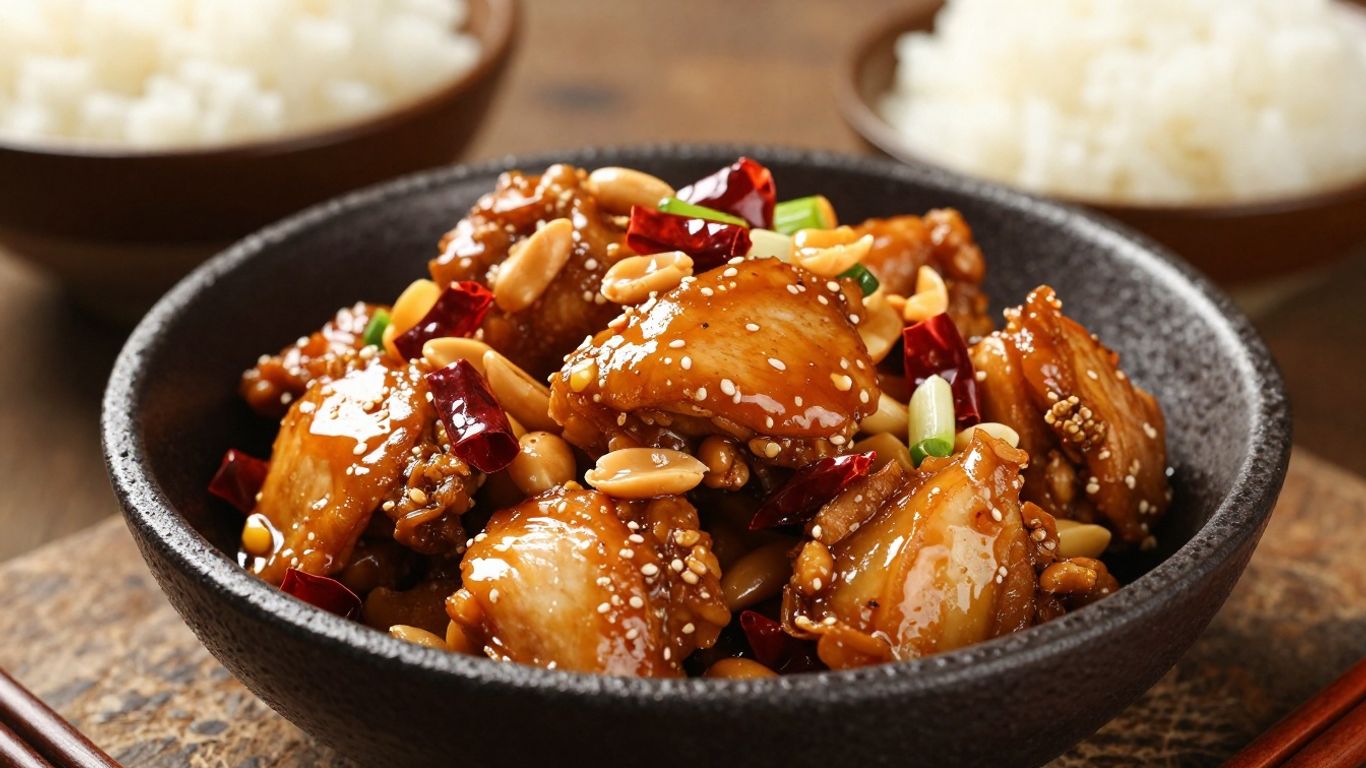
The best bites combine several textures at once: tender chicken, crunchy peanuts, soft scallions, and a glossy sauce. We look for balance rather than a dish drowned in sugar. Vinegar and soy sauce should keep the flavor lively, while the chilies contribute fragrance as well as heat.
Kung pao chicken is also a useful ordering choice for a mixed group. It can sit beside steamed rice, greens, or another milder dish without dominating the whole table. For a wider food itinerary, Sharry’s China Food Guide offers a locally grounded starting point for exploring Chinese food and neighborhoods.
Sichuan boiled fish sounds plain until the bowl arrives. Delicate fish fillets are cooked in a deeply seasoned broth or oil-rich sauce with chilies, Sichuan peppercorns, bean sprouts, and other aromatics. Despite the name, the dish is not bland boiled fish; it is a dramatic combination of tender protein and intense seasoning.
The fish should remain soft and moist, breaking apart easily with chopsticks. Bean sprouts or greens provide a crisp contrast, and the broth carries the fragrance of toasted chilies. We eat it slowly because the first sensation is not always the strongest one.
This dish is especially good for sharing, though we should watch for bones and ask the restaurant about the fish preparation. Rice helps absorb the sauce, and a cooling vegetable dish gives the table a welcome change of pace between mouthfuls.
Boiled beef in chili broth, often called shuizhuyu-style beef, uses thin slices of beef cooked in a spicy, aromatic liquid. The meat is tender when timed well, while chilies, Sichuan pepper, garlic, and greens create a broth that is far more complex than the title suggests.
We often find bean sprouts, celery, napa cabbage, or lettuce underneath the beef. These vegetables soak up the seasoning and make the dish feel complete rather than purely meat-focused. The combination of tender beef and crisp vegetables gives each serving a satisfying contrast.
Because the dish can arrive very hot in both temperature and spice, we let it rest briefly. That small pause makes it easier to taste the pepper, fermented seasonings, and garlic instead of rushing straight into the heat.
Fish-fragrant eggplant contains no fish. The name refers to a traditional seasoning profile built from ingredients such as garlic, ginger, scallions, chili bean paste, soy sauce, and vinegar. Eggplant absorbs this sauce beautifully, becoming soft and almost creamy while retaining a savory, spicy edge.
This is one of the more rewarding vegetable dishes for anyone exploring Sichuan flavors. We get sweetness from the eggplant, sharpness from vinegar, and a deep fermented note from the bean paste. The dish works especially well with rice because the sauce is too good to leave behind.
Preparation varies: some cooks fry the eggplant first, while others use less oil and a gentler simmer. Either way, the goal is a tender interior and seasoning that feels rounded rather than harsh. It is a reminder that spicy food can be vegetable-centered and still feel substantial.
Mouth-watering chicken is chilled or room-temperature poached chicken dressed with a vivid sauce of chili oil, soy sauce, sesame, garlic, and Sichuan pepper. The chicken itself is mild, allowing the dressing to do most of the work. Its name promises appetite, and the bright, glossy presentation usually delivers it.
The contrast between cool chicken and warm spice makes this dish especially refreshing at the beginning of a meal. We like the pieces with skin because they hold the sauce well, but a leaner cut can still work when the dressing is balanced.
This is a good first order for diners who want Sichuan flavor without a bowl of steaming broth. The heat is adjustable in many restaurants, and the dish pairs naturally with rice, noodles, or a simple vegetable side.
Cold noodles with chili oil are built around contrast: cool, springy noodles meeting fragrant oil, vinegar, garlic, soy sauce, and sometimes sesame or crushed peanuts. The dish can be refreshing even when the seasoning is hot, which makes it a welcome choice on a warm afternoon.
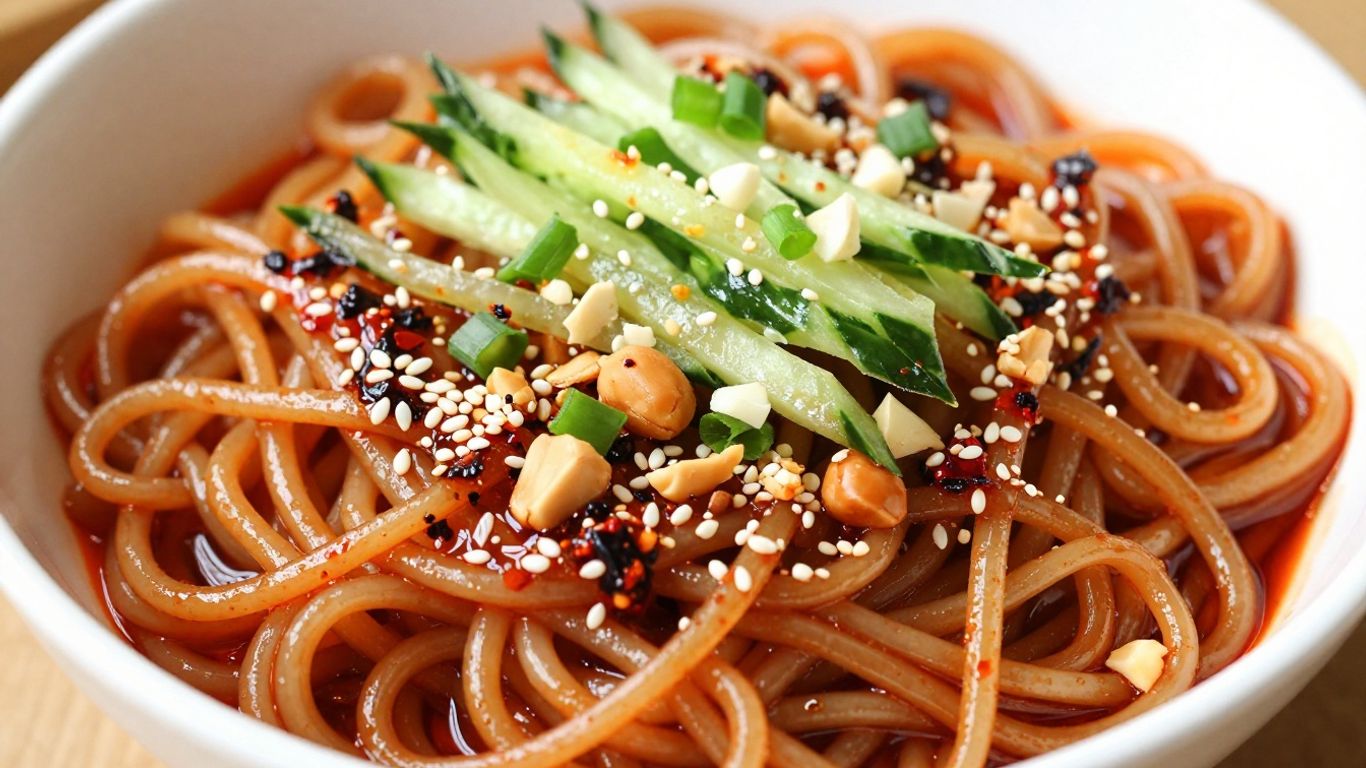
We mix the bowl thoroughly before eating so the sauce reaches every strand. The flavor should be lively rather than flat, with enough acidity to keep the chili oil from feeling heavy. A few cucumber strips or bean sprouts can add crunch and a cleaner finish.
For home cooks or travelers comparing regional dishes, Sharry’s China Food Guide is a natural companion to a broader food-and-travel plan. We can treat cold noodles as a snack, a light lunch, or one dish among several on a street-food walk.
Spicy wontons combine soft wheat wrappers with a savory filling, usually pork or another minced mixture, and a sauce rich in chili oil, soy sauce, garlic, and sesame. The wontons are tender and comforting, but the red sauce gives them a sharper, more energetic character than plain boiled dumplings.
The filling should be seasoned enough to stand on its own, while the sauce adds fragrance and heat. We take care with the first bite because the oil can pool at the bottom of the bowl. A gentle stir spreads the seasoning and prevents one wonton from carrying all the spice.
They make a satisfying small meal or shared starter. We can order greens or soup alongside them, especially when the sauce is particularly salty or hot. The dish is simple, but its textures are exactly why it remains so popular.
Ants climbing a tree is a playful name for mung bean glass noodles cooked with minced meat and a spicy, savory sauce. The tiny bits of meat cling to the translucent noodles, creating the image behind the name. There are no actual ants, just a delicious meeting of slippery noodles and richly seasoned mince.
The noodles absorb flavor quickly, so the dish can taste more intense than it looks. Fermented bean paste, chilies, soy sauce, garlic, and scallions give it a warm, earthy profile. We appreciate it as a change from wheat noodles because the texture is lighter and more elastic.
It is best served hot and eaten soon after arriving. If the noodles sit too long, they can absorb too much sauce and become sticky. Shared with rice and vegetables, ants climbing a tree adds a distinctive texture to a larger Sichuan meal.
Mala dry pot takes the communal idea of hot pot and removes most of the liquid. Meat, seafood, tofu, mushrooms, potatoes, lotus root, and vegetables are stir-fried with dried chilies, Sichuan peppercorns, garlic, ginger, and a fragrant spice paste. The result is concentrated, smoky, and wonderfully messy to eat.
Choosing ingredients is part of the order, so we usually build a mix rather than selecting only one category. A practical combination might include:
That mix keeps the dry pot from becoming one-note. Starchy ingredients carry the seasoning, while greens and mushrooms break up the richness. We also keep plain rice nearby, since the dry sauce is concentrated and easy to underestimate.
Twice-cooked pork begins with pork belly that is simmered, cooled, sliced, and stir-fried again. The second cooking brings it together with fermented bean paste, leeks or scallions, chilies, and aromatic seasonings. The pork becomes savory and slightly crisp at the edges without losing its richness.
The name describes the method, but the pleasure is in the balance between fat and sharp, fermented flavor. We look for slices that are thin enough to pick up sauce and vegetables that retain a little bite. The dish is intense, so rice is an essential partner.
Twice-cooked pork is a strong example of how Sichuan cooking builds flavor through technique. It does not need a complicated garnish or a large serving size. A few well-seasoned pieces can bring character to an entire table of simpler dishes.
Spicy crayfish is a social, hands-on dish often served in a large bowl or tray. The crayfish are cooked in a sauce filled with chilies, garlic, ginger, spices, and sometimes beer or other aromatic ingredients. The shells protect the meat while also collecting the sauce, making the eating process slow and pleasantly involved.
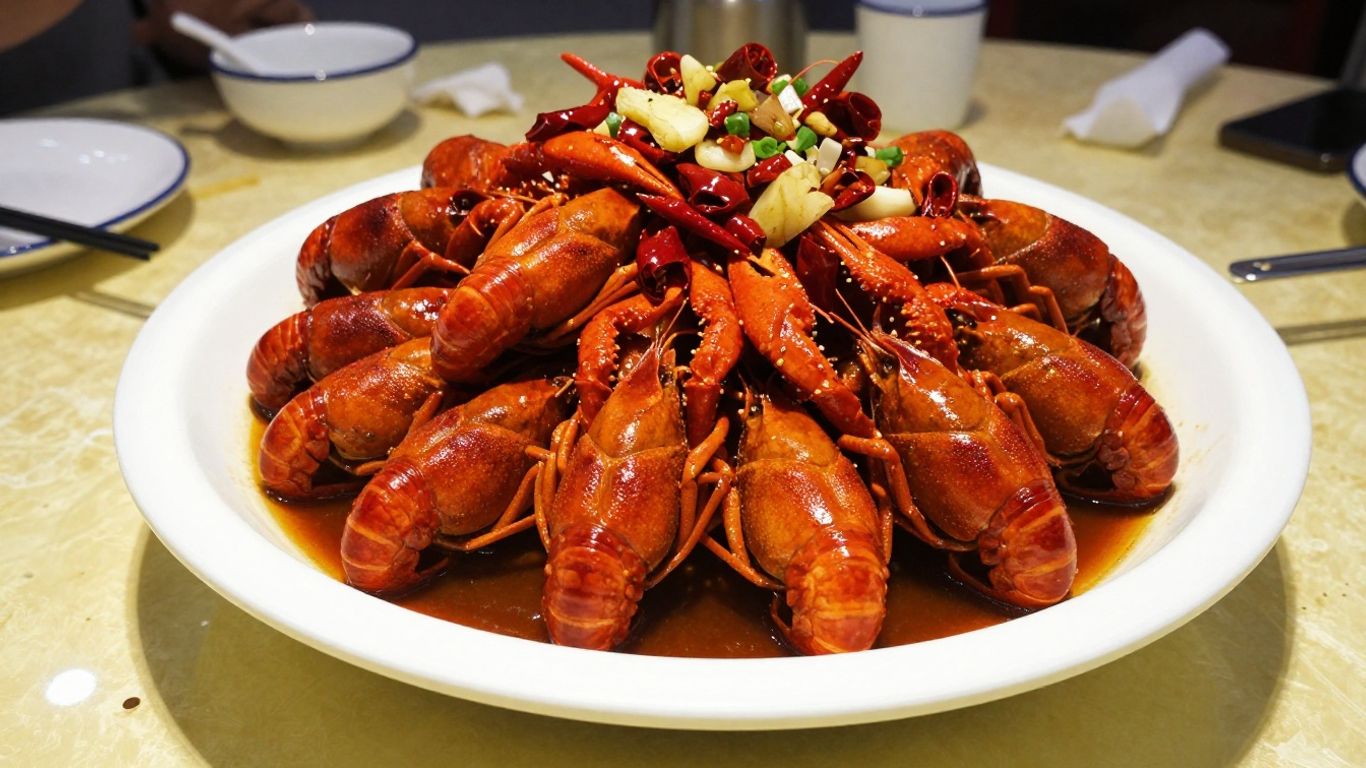
We keep napkins close and use the sauce on the shells as a guide to the dish’s intensity. The meat is sweet and delicate, so a highly seasoned coating creates a striking contrast. Some restaurants offer several flavor styles, allowing us to choose a level of heat and fragrance.
This is better suited to a relaxed evening than a rushed lunch. We can share it with cold vegetables, rice, or noodles, and take our time peeling each piece. The dish feels festive without requiring formal ceremony.
Hunan steamed fish head with diced peppers is a centerpiece dish with a very different kind of heat from Sichuan food. A fish head is steamed until tender, then covered with chopped fresh peppers, aromatics, and savory seasoning. The texture is soft and gelatinous around the head, with delicate flakes of fish tucked between the bones.
The pepper topping is the star. Hunan cooking often favors direct, fresh chili heat rather than the numbing sensation of Sichuan peppercorns. We spoon the juices over rice, where they become a powerful sauce with a clean, bright bite.
This dish is easiest to enjoy when shared by people comfortable with bones and strong flavor. We can ask the restaurant about the pepper variety and request less heat if necessary. The goal is to taste the fish and its juices, not simply endure the topping.
Hunan-style stir-fried pork, often made with thinly sliced pork and fresh green chilies, is direct, fragrant, and deeply savory. Garlic, fermented black beans, soy sauce, and rendered pork fat may join the wok, creating a dish that tastes like it came together quickly but thoughtfully.
The chilies remain central rather than disappearing into a thick sauce. Their grassy flavor cuts through the pork, while the high heat of the wok gives everything a lightly smoky edge. We usually eat it with rice and a milder vegetable to make the meal feel balanced.
This is a useful dish for understanding Hunan’s style of spice. The heat is bright and immediate, with less of the tingle associated with Sichuan pepper. It can be simple in appearance while delivering a remarkably full flavor.
Mala chicken is a Sichuan-style preparation of chicken, dried chilies, and Sichuan peppercorns. Depending on the restaurant, the chicken may be fried into small crisp pieces before being tossed with the aromatics. The chilies often outnumber the meat, though their fragrance matters as much as their heat.
We pick through the pile for chicken pieces surrounded by toasted pepper and garlic. The outside can be crisp, while the inside stays juicy if the cooking is handled well. The combination creates a lively sequence of crunch, warmth, and numbing spice.
Mala chicken is best shared because its flavor is concentrated. Rice, beer, tea, or a cooling cucumber dish can make the meal easier to pace. We should also expect bones in some versions and eat carefully rather than rushing through the bowl.
Spicy smashed cucumber salad is one of the freshest dishes on this list. Cucumbers are lightly crushed so their uneven surfaces hold a dressing of chili oil, vinegar, garlic, soy sauce, and sometimes sesame. The result is crunchy, juicy, tangy, and spicy without feeling heavy.
The smashing technique is practical as well as visual. It creates irregular pieces that catch more seasoning than neat slices would. We like serving it early in the meal, when its cool texture can reset the palate between richer dishes.
It is also an easy introduction to chili oil for diners who are cautious about heat. The dressing can be adjusted, and the cucumber’s water content keeps the spice from building too quickly. For a broader look at chili-forward salads and recipes, spicy cucumber dishes offers a useful point of comparison.
Spicy Sichuan dumplings are usually boiled dumplings served beneath a sauce of chili oil, soy sauce, garlic, sesame, and scallions. The wrappers are soft and slippery, while the filling may include pork, vegetables, shrimp, or other savory combinations. Each dumpling becomes a small package of comfort under a bright, hot dressing.
We mix the sauce before lifting the dumplings, then take care not to bite too quickly. The filling may be mild, but the oil gathers around the wrapper. A little vinegar can sharpen the flavor and make the heat feel more rounded.
These dumplings are a fitting final stop because they bring together several ideas running through spicy Chinese foods: shared eating, carefully balanced sauces, contrasting textures, and heat that supports rather than replaces flavor. When planning a food-focused trip, even practical details such as Chinese food delivery options can help us continue exploring regional dishes between restaurant visits.
From numbing Sichuan peppercorns to the clean chili heat of Hunan, these dishes show how varied spicy Chinese food can be. We can start with noodles, dumplings, or kung pao chicken, then work toward hot pot and more intense regional specialties at our own pace. The best approach is curiosity, a bowl of rice nearby, and enough time to notice every layer.
Sichuan food often combines dried or fresh chilies with Sichuan peppercorns, fermented bean pastes, garlic, and aromatic oils. The peppercorns create a tingling, citrus-like sensation that differs from straightforward chili heat.
Neither cuisine is always hotter. Hunan cooking often uses fresh chilies for direct heat, while Sichuan cooking commonly combines chili heat with the numbing sensation of Sichuan peppercorns.
Kung pao chicken, spicy cucumber salad, or mouth-watering chicken can be approachable starting points. We can ask for less chili and add rice or vegetables to keep the meal comfortable.
Water may not soften chili oil very much, but tea, rice, soy-based drinks, or other cooling beverages can help. Plain rice, noodles, and fresh vegetables are also useful alongside spicy dishes.
Mala describes the combination of spicy heat and numbing sensation commonly associated with Sichuan peppercorns and chilies. The sensation can linger, but it is usually part of a larger balance of savory, aromatic flavors.
Yes. Fish-fragrant eggplant, spicy smashed cucumber, tofu dishes, mushrooms, greens, and some dry-pot combinations can be vegetarian. We should confirm whether sauces contain meat, seafood, or animal-based stock.
We can ask for less chili, mild spice, or no extra chilies, depending on the restaurant. Showing a translation or using a local food-ordering phrase can help, though regional interpretations of mild may vary.